Tileable Pattern Models AI Generator
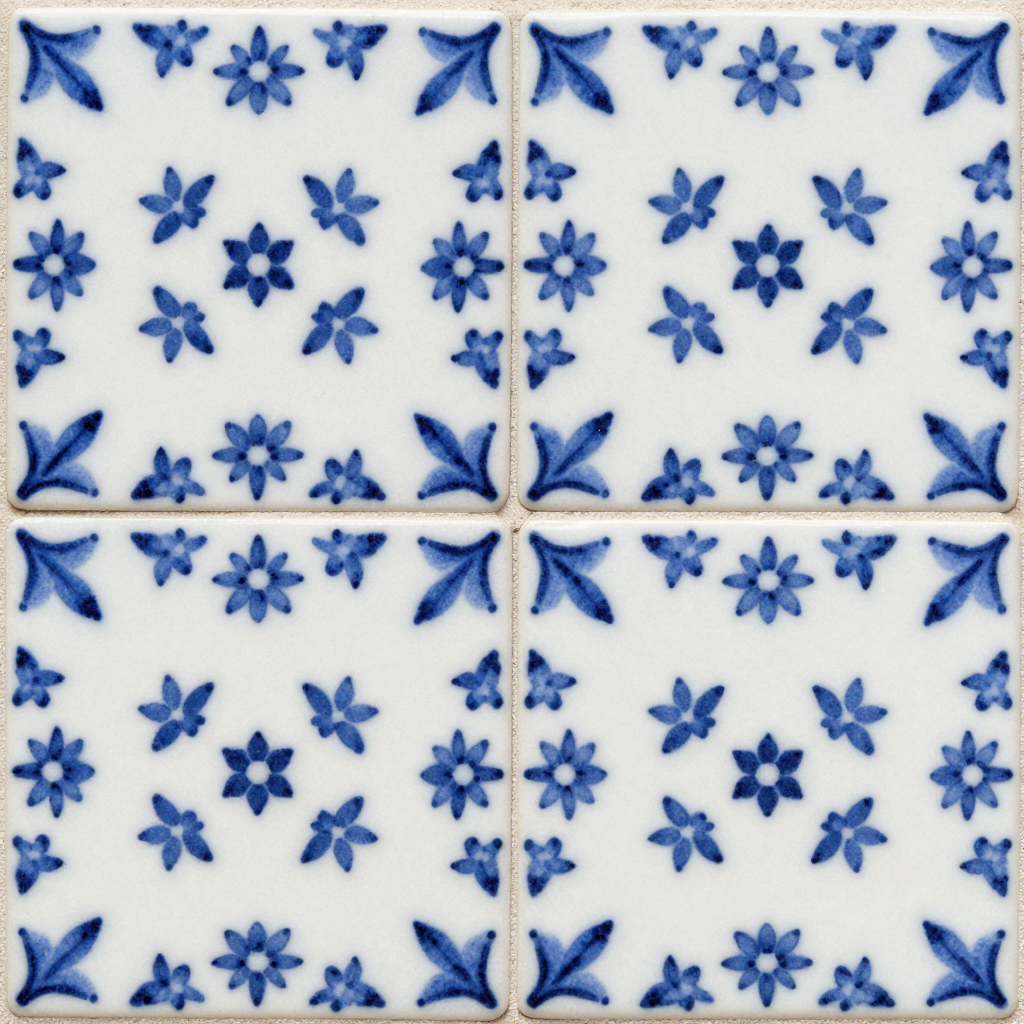
Generated on PixelDojo. Produced by PixelDojo's generation pipeline.
Z-Image Turbo gave us the closest thing to a real repeat unit, for 0.5 credits in 11 seconds. We sent the same hand painted tile prompt to three image models on August 26, 2026 and timed every request. Recraft V4.1 drew the richest decorative surface for 1 credit in 17 seconds, but every tile in its grid is different, so it is artwork rather than a repeat. QWEN Image 2.0 returned the largest file at 2048 by 2048 for 1 credit in 15 seconds, with photographic lighting that fights against tiling. None of the three promise edge matched output, so the pick depends on whether you need a swatch or a surface.
Side-by-side, same prompt
Every model below ran the identical prompt on PixelDojo so the outputs are directly comparable: “A repeating tileable pattern of hand painted blue and white ceramic tiles with small floral motifs, flat top down view, even lighting, edges that line up on all four sides”
Z-Image Turbo
11sThe only output that reads as a repeat unit. Four matching tiles, motifs that meet at the edges. 0.5 credits, 11 seconds, 1024 by 1024.
Recraft V4.1
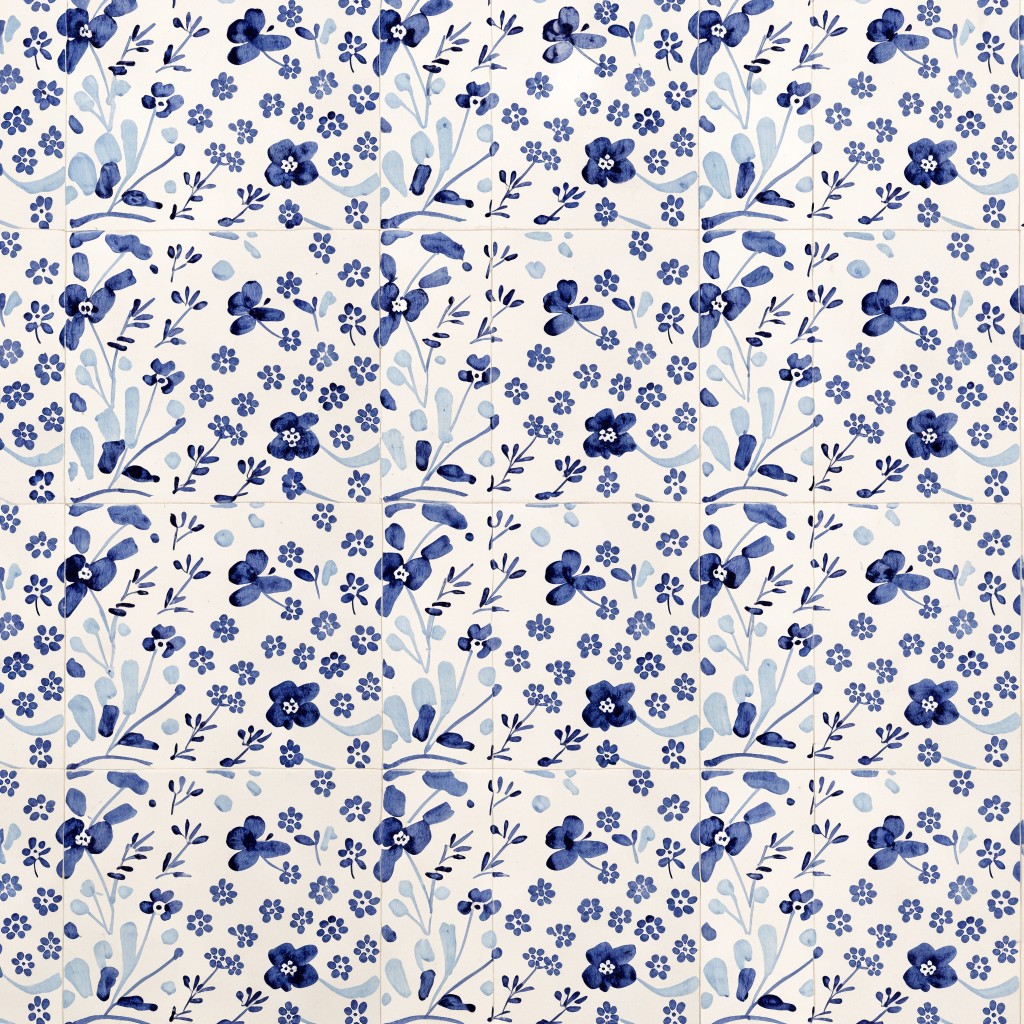
17sDensest, best looking painted surface, but every tile differs. 1 credit, 17 seconds, 1024 by 1024.
QWEN Image 2.0
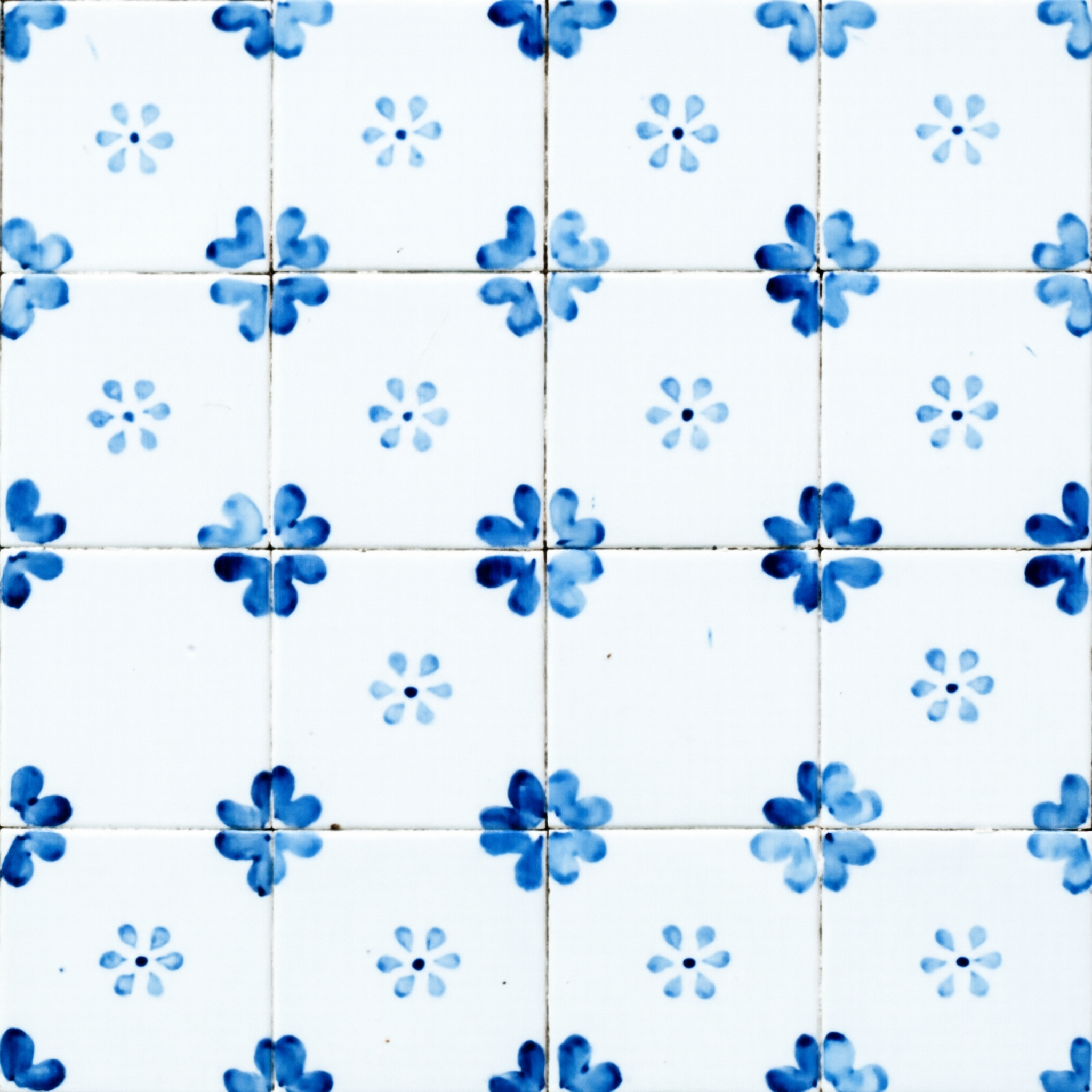
15sBiggest file at 2048 by 2048 and a clever corner motif, held back by photographic lighting. 1 credit, 15 seconds.
The ranking, what it is based on, and when to skip each one
1. Z-Image Turbo, 0.5 credits, 11 seconds
Z-Image Turbo returned the only file in this test that reads as a repeat unit rather than a picture of tiles. The image is a two by two grid of four near identical square tiles, each with a six petal star flower in the middle, small sprigs around it and a leaf motif turned into every corner. Grout runs straight down the middle and straight across, and the motif that leaves the left edge picks up again at the right edge. That is the shape you want before a pattern goes into a fabric, wallpaper or web background workflow. It was also the cheapest at 0.5 credits and the fastest at 11 seconds, and it came back at 1024 by 1024. Skip it if you want dense hand painted variation across the whole surface, or a print scale file. At 1024 square you get one tile block, so enlarging before you repeat means an upscale pass first.
2. Recraft V4.1, 1 credit, 17 seconds
Recraft V4.1 drew the prettiest surface of the three. Cobalt and pale blue flowers, sprigs and small blooms cover a cream ground, faint grout lines mark a four by four tile grid, and the paint varies in weight the way hand painted delft does. As decorative artwork it beat both other models. As a tileable asset it is a different story, because every tile in the grid carries its own arrangement. The file is a painting of a tiled wall, not a unit you can repeat. It cost 1 credit, took 17 seconds and arrived at 1024 by 1024. Skip it when the deliverable is a repeating swatch. Reach for it when you want a finished decorative panel, a background plate behind a product shot, or a rich starting frame you will crop a single tile out of by hand.
3. QWEN Image 2.0, 1 credit, 15 seconds
QWEN Image 2.0 gave the biggest file at 2048 by 2048, twice the linear resolution of the other two for the same 1 credit and 15 seconds. It read the prompt photographically: white glazed tiles shot straight on, thin dark grout, a small six petal daisy centred in each tile, and quarter clover motifs at the corners that join into a whole flower where four tiles meet. That corner trick is how real tile patterns are drawn. Working against it is the photograph part. Light falls off toward the corners, small specks and marks sit on individual tiles, and the grid drifts a fraction off square. Skip it if the pattern has to repeat invisibly, because those uneven areas announce themselves the moment two copies sit side by side. Pick it for a high resolution surface in a mockup where nothing gets butted together.
One prompt, three models, one afternoon. Prices ran from 0.5 to 1 credit. Measured turnaround ran from 11 to 17 seconds.
Why Choose Pixel Dojo for Tileable Pattern Models
Professional-quality results with cutting-edge AI technology
A pattern job is really two jobs
A repeat unit and a decorative surface are different deliverables. The models split cleanly along that line in our test.
Patterns are cheap to explore
The three runs cost 0.5, 1 and 1 credit. All three finished inside 17 seconds, so a wide style sweep costs very little.
Check the repeat before you commit
None of these models guarantee edge matched output. Offset a copy of the file by half its width and height and look at the join.
How It Works
How we ran the test, so you can repeat it:
One prompt, default settings
All three models got the same tile prompt, including the instruction that edges should line up. No style presets, no negative prompts, no retries, first result kept.
Clocked each request end to end
We bracketed every submission with a timestamp and recorded the gap to the finished file. That is where 11, 15 and 17 seconds come from.
Judged the repeat, not the prettiness
We opened all three files at full size and asked one question first: is this a unit that repeats, or a picture of a tiled wall? Price and speed broke the tie.
Loved by creators on PixelDojo
Real feedback from people using PixelDojo, pulled from our in-product surveys.
All the tools needed in one dashboard
Very fair and very broad in tools.
Accurate results
Great site and so much fun to use!
very useful set of tools for image creation, upscaling and enhancement
ease of use, variety of tools, high quality trainings, and a well-maintained discord channel
Explore more AI tools on PixelDojo
AI Tools
Compare & Switch
- Best AI Image Generators
- Best AI Video Generators
- Midjourney Alternatives
- Civitai Alternatives
- Runway Alternatives
- Leonardo Alternatives
- Pika Alternatives
- Luma Alternatives
- Magnific Alternatives
- Veo Alternatives
- Flux Alternatives
- Freepik Alternatives
- Seedance Alternatives
- Seedream Alternatives
- Pixverse Alternatives
- GPT Image Alternatives
- Synthesia Alternatives
- Playground Alternatives
- NightCafe Alternatives
- Canva AI Alternatives
- ElevenLabs Alternatives
- ComfyUI Alternatives
- Fal Alternatives
- Replicate Alternatives
Common Questions
Everything you need to know about Tileable Pattern Models
Which AI model is best for tileable patterns?
Z-Image Turbo in this test. It was the only one of the three that returned a clear repeat unit, and it did it for 0.5 credits in 11 seconds. Pick Recraft V4.1 when you want a decorative painted surface instead, and QWEN Image 2.0 when you want the largest file.
Do any of these produce a truly repeating tile?
Not with a guarantee. Z-Image Turbo came closest, with motifs that continue across the left and right edges. Treat every output as a candidate and verify it by offsetting a duplicate half a width and half a height, then looking at the seam that appears in the middle.
How much does one pattern image cost?
0.5 credits on Z-Image Turbo and 1 credit each on Recraft V4.1 and QWEN Image 2.0. Those are flat per image prices, so a ten style sweep across all three models costs 25 credits.
What resolution do they return?
Z-Image Turbo and Recraft V4.1 both came back at 1024 by 1024. QWEN Image 2.0 returned 2048 by 2048 on the same prompt with no size instruction from us.
Which one was fastest?
Z-Image Turbo at 11 seconds, then QWEN Image 2.0 at 15 seconds, then Recraft V4.1 at 17 seconds. Queue load moves these numbers, so read them as typical rather than fixed.
Can I generate patterns from an API?
Yes. POST to /api/v1/models/z-image-turbo/run, /api/v1/models/recraft-v4.1/run or /api/v1/models/qwen-image-2.0/run with the same key and the same request body. Switching models is a one string change.