Google Nano Banana 2 Lite vs Z Image Turbo
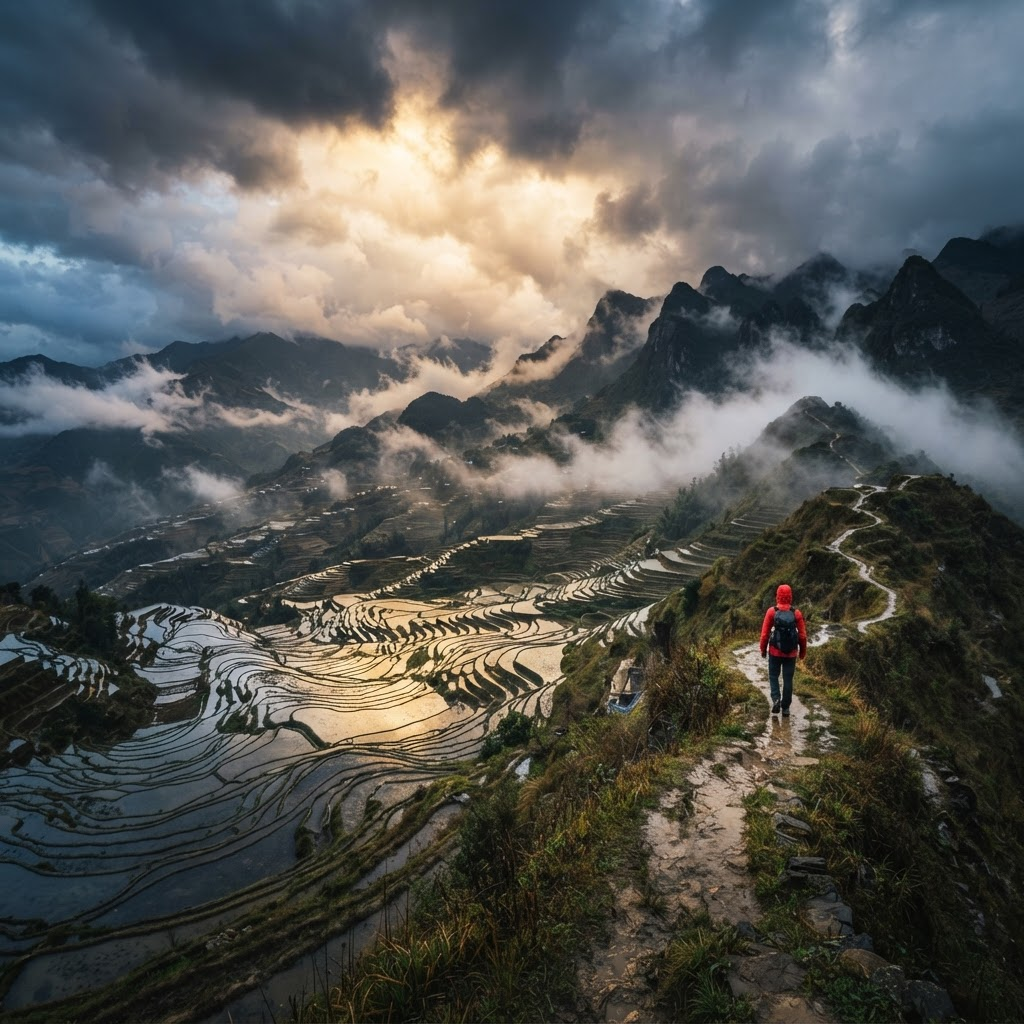
Generated on PixelDojo. Produced by PixelDojo's generation pipeline.
Google Nano Banana 2 Lite costs 2 credits per image and Z Image Turbo costs 0.5, four times cheaper. We sent both the same storm valley prompt on August 26, 2026 and both finished in about 11 seconds. Nano Banana 2 Lite returned a fixed 1024x1024 square. Z Image Turbo, set to 16:9, returned 1344x768. Same speed, same day, a four times price gap.
The same storm valley prompt on both
Every example below was produced on PixelDojo. Hover to see the prompt.
Storm light over a terraced rice valley after rain, low clouds drifting through, a hiker in a red jacket on the ridge path, epic scale
Google Nano Banana 2 Lite
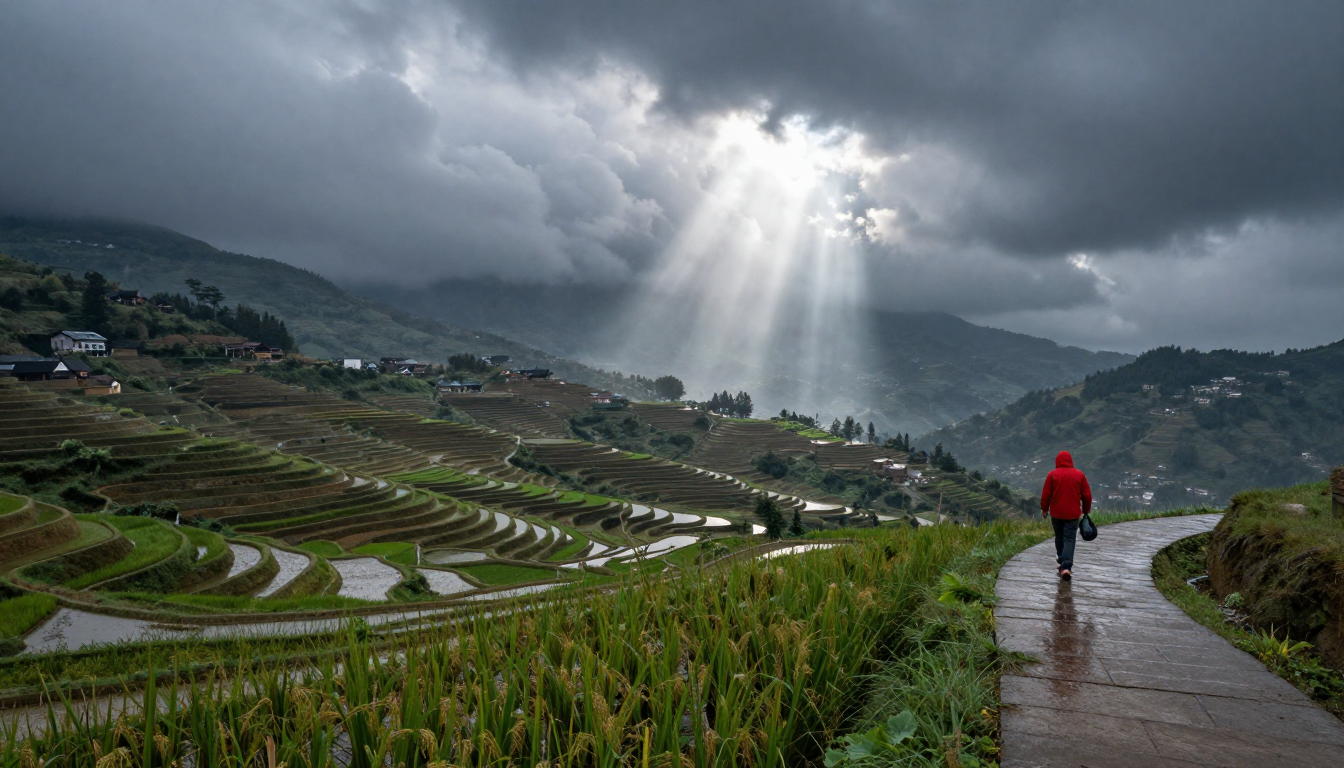
Storm light over a terraced rice valley after rain, low clouds drifting through, a hiker in a red jacket on the ridge path, epic scale
Z Image Turbo
Same prompt, same day, both back in about 11 seconds. Nano Banana 2 Lite: 2 credits, 1024x1024. Z Image Turbo: 0.5 credits, 1344x768.
Why Choose Pixel Dojo for Google Nano Banana 2 Lite vs Z Image Turbo
Professional-quality results with cutting-edge AI technology
Both matched the prompt's key details
Storm clouds breaking with light, terraced land following the slope, and a hiker in a red jacket on a ridge path all appeared in both outputs.
Z Image Turbo took the wider frame we asked for
We set 16:9 on Z Image Turbo and got a genuine widescreen 1344x768 landscape. Nano Banana 2 Lite has no width or height control on the lite tier, it returns a fixed 1024x1024 square regardless of aspect_ratio.
Same measured speed at a fourth of the price
Both jobs returned in about 11 seconds. Z Image Turbo costs 0.5 credits against Nano Banana 2 Lite's 2, the same turnaround for a quarter of the charge.
How It Works
How we ran the comparison, so you can repeat it:
Send the same prompt to both
The storm valley landscape prompt went to nano-banana-2-lite with no aspect ratio set, and to z-image-turbo with aspect_ratio set to 16:9.
Time each request
Both were timed from submission to the finished file. Both returned in about 11 seconds.
Download both files and compare
We opened each image, read the real pixel dimensions, and looked at how each one interpreted the same scene before writing the verdict.
The Pixel Dojo Advantage
Same prompt, same day, first result kept on both. We downloaded both files and looked at them before writing the verdict below.
| Others | Pixel Dojo |
|---|---|
| Google Nano Banana 2 Lite: 2 credits per image, about 11 seconds on our run, fixed 1024x1024 | Z Image Turbo: 0.5 credits per image, about 11 seconds on the identical prompt, 1344x768 at our chosen 16:9 |
| Google Nano Banana 2 Lite: fixed 1K output, aspect_ratio has no effect on this tier, up to 14 reference images accepted | Z Image Turbo: 5 aspect ratio presets (1:1, 16:9, 9:16, 4:3, 3:4), no reference image input, text to image only |
| Google Nano Banana 2 Lite: leaned into a rugged, dramatic mountain interpretation with intense saturated light breaking through the clouds | Z Image Turbo: leaned into a grounded, photorealistic village scene with visible sun rays and lush green paddies |
| Google Nano Banana 2 Lite: part of the Nano Banana 2 family, upgrading to the full model adds resolution control at 2 to 4 credits | Z Image Turbo: has its own dedicated tool page and takes LoRA weights for style control |
Loved by creators on PixelDojo
Real feedback from people using PixelDojo, pulled from our in-product surveys.
all in one place
It is a lot of fun to uae and easy too.
So many different models to try out
You keep adding to it to stay up to date and that is GOLD.
very easy to use and good support
Very easy to use
Explore more AI tools on PixelDojo
AI Tools
Compare & Switch
- Best AI Image Generators
- Best AI Video Generators
- Midjourney Alternatives
- Civitai Alternatives
- Runway Alternatives
- Leonardo Alternatives
- Pika Alternatives
- Luma Alternatives
- Magnific Alternatives
- Veo Alternatives
- Flux Alternatives
- Freepik Alternatives
- Seedance Alternatives
- Seedream Alternatives
- Pixverse Alternatives
- GPT Image Alternatives
- Synthesia Alternatives
- Playground Alternatives
- NightCafe Alternatives
- Canva AI Alternatives
- ElevenLabs Alternatives
- ComfyUI Alternatives
- Fal Alternatives
- Replicate Alternatives
Common Questions
Everything you need to know about Google Nano Banana 2 Lite vs Z Image Turbo
Which is cheaper, Nano Banana 2 Lite or Z Image Turbo?
Z Image Turbo, by four times. It costs 0.5 credits per image against Nano Banana 2 Lite's 2 credits.
Which one is faster?
They tied in our test. Both returned in about 11 seconds on the identical storm valley prompt, run on August 26, 2026.
Can Nano Banana 2 Lite output a widescreen image?
No. The lite tier is fixed at 1K resolution and our run came back 1024x1024 regardless of the aspect_ratio field. For aspect ratio control on this family, the full Google Nano Banana 2 model supports it at 2 to 4 credits depending on resolution.
What did each output actually look like?
Nano Banana 2 Lite produced a more dramatic, rugged mountain scene with intense golden light breaking through storm clouds. Z Image Turbo produced a more grounded, photorealistic village and rice paddy scene with visible sun rays. Both correctly placed a hiker in a red jacket on a ridge path, the detail we asked for.
Does either one accept reference images?
Nano Banana 2 Lite does, up to 14 reference image URLs in one request at the same 2 credit price. Z Image Turbo is text to image only, with no reference image input.
How do I call either from the API?
POST to /api/v1/models/nano-banana-2-lite/run or /api/v1/models/z-image-turbo/run with your API key and a prompt. Same key, same request shape, swap the URL to switch models.
So which one should I use?
Pick Z Image Turbo when price matters, when you need a non-square aspect ratio, or when you want LoRA styling. Pick Nano Banana 2 Lite when you already send reference images to the Nano Banana family and want the cheapest tier that still accepts up to 14 of them, and a square 1024x1024 output is fine. Both landed the prompt's key details at the same measured speed, so the choice comes down to price and aspect ratio, not quality.