kling 3.0 vs flux 3 video
Generated on PixelDojo. Produced by PixelDojo's generation pipeline.
You want videos that look like they came from a professional studio, complete with natural motion, consistent characters, cinematic camera work, and perfectly synced sound. PixelDojo puts Kling Video and Flux 3 Video in your hands so you can achieve exactly that without cameras, crews, or complicated software. Choose Kling Video when you need director-style multi-shot sequences with precise camera control and high visual fidelity. Switch to Flux 3 Video when you want longer continuous clips packed with native audio, dialogue, and atmosphere. Both tools let you describe a scene in plain language, add image references for character lock, and generate complete videos that hold together from first frame to last. Marketers use these outputs for product launches that convert. Storytellers build short narratives that keep viewers watching. Educators and brands produce explainer content that feels polished and human. You iterate in minutes instead of days, refine lighting or angles on the fly, and walk away with ready-to-publish files. PixelDojo brings 40+ complementary tools together so your Kling 3.0 vs Flux 3 video workflow stays inside one platform from first idea to final download.
Real video examples generated on PixelDojo
Every example below was produced on PixelDojo. Hover to see the prompt.
FLUX Video Upscale Lola talking-head Friday 9am
seedance-2-5

Add a log edited with Flux Kontext Dev
flux-studio
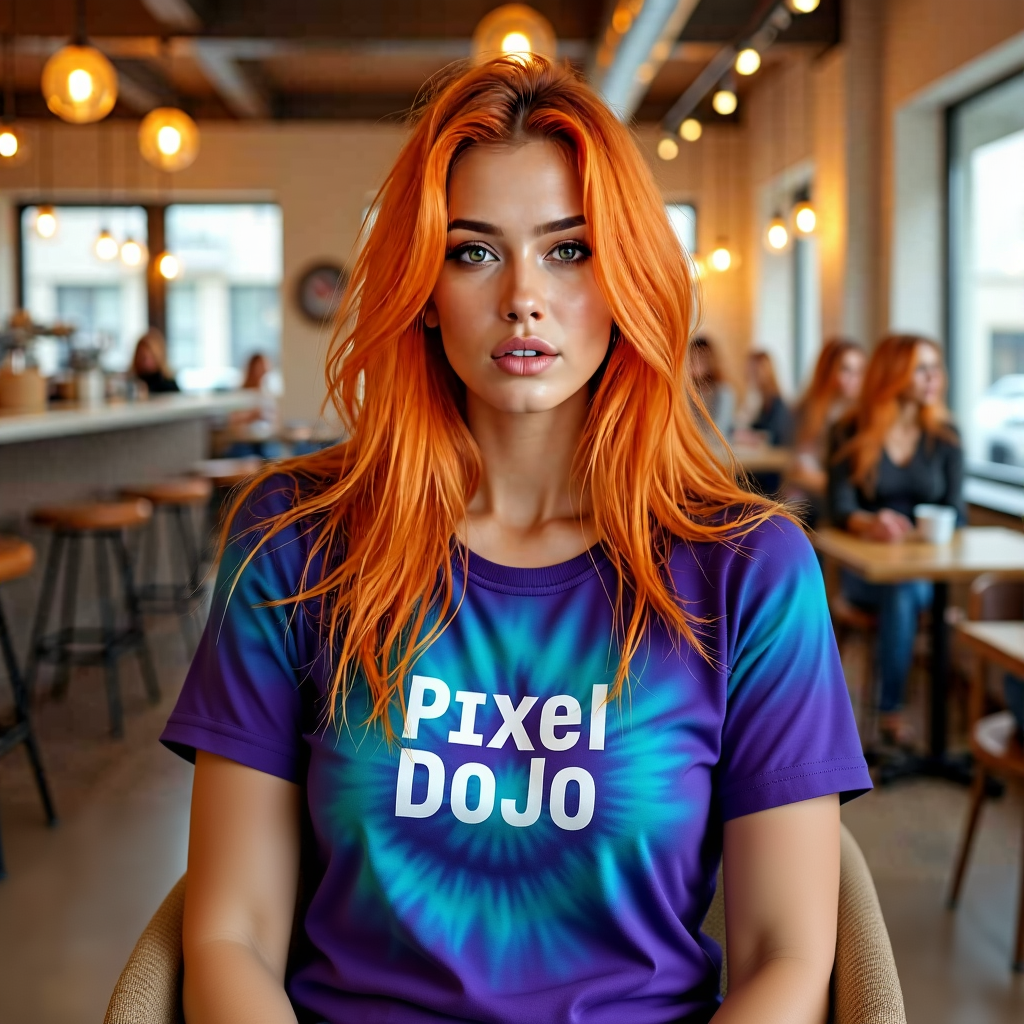
Her shirt is ti-dye edited with Flux Kontext Dev
flux-studio
Kira-Lux-Flux
flux
Playing the blues guitar
image-to-video
Gray Ford Taurus slowly drives up
image-to-video
Models you can run on PixelDojo for kling 3.0 vs flux 3 video
Switch models without switching tools. Each one runs in the same PixelDojo studio.
What you can do with kling 3.0 vs flux 3 video on PixelDojo
Run Kling and Flux
We give you Kling 3.0 and Flux 3 video generation in one place so you can try the same brief on both models without switching tools.
Side by Side Previews
We let you review Kling 3.0 and Flux 3 clips together, so motion, timing, and look are easier to judge before you pick a direction.
Shared Prompt Workflow
We keep your prompt, aspect ratio, and length settings reusable across both models so you can iterate without rewriting the brief each time.
Export Ready Video Clips
We output clips you can download and drop into your editor, so you can continue color, sound, and cut work in your usual pipeline.
Thousands of creators worldwide already rely on PixelDojo’s 40+ cutting-edge AI tools every day. Users praise the speed, quality, and flexibility, noting they can cancel anytime with zero hassle. From independent filmmakers to marketing teams, people generate professional videos that once required entire production houses.
Why Choose Pixel Dojo for kling 3.0 vs flux 3 video
Professional-quality results with cutting-edge AI technology
Direct Complete Multi-Shot Stories Instantly
You describe one scene and Kling Video automatically plans multiple camera angles, transitions, and pacing so your story feels cinematic and professionally covered. Viewers stay engaged because every shot connects logically without you stitching clips by hand.
Deliver Longer Scenes With Built-In Sound
Flux 3 Video gives you extended clips complete with native dialogue, sound effects, and ambient audio generated in the same pass. You skip separate audio recording and syncing, producing finished scenes that sound as good as they look.
Keep Characters Looking Identical Across Every Shot
Upload a reference once and both Kling Video and Flux 3 Video lock faces, outfits, and even voices so your talent never drifts. Your stories feel cohesive and professional, whether you generate one clip or an entire sequence.
How It Works
PixelDojo makes Kling 3.0 vs Flux 3 video creation straightforward. You pick the right tool for the job, describe what you want, then refine and export. No technical knowledge required.
Step 1: Choose Your Tool
Open PixelDojo and select Kling Video when you want cinematic multi-shot control, precise camera language, and high-resolution output. Choose Flux 3 Video when you need longer continuous action, native multilingual audio, or the ability to continue from an existing clip. Both sit side by side so you can test the same prompt on each and pick the winner for your project.
Step 2: Enter Your Prompt
Write a natural description that includes the subject, action, camera movement, lighting, and even the audio you want. Example: “Slow tracking shot of a woman walking through a sunlit market, vendors calling out, distant music, warm golden hour light.” Add one or more reference images to lock character appearance. PixelDojo’s tools understand cinematic language and generate coherent motion plus matching sound in one go.
Step 3: Customize & Download
Preview the result, then use PixelDojo’s built-in editors such as Kling Video Edit, Change Camera Angle, or FLUX Video Upscale to polish lighting, extend the clip, or boost resolution. Swap characters with Kling Video Character Swap or add consistent talent via Consistent Characters. When it looks perfect, download in the format you need and publish immediately.
The Pixel Dojo Advantage
Why PixelDojo outperforms other options for Kling 3.0 vs Flux 3 video generation
| Others | Pixel Dojo |
|---|---|
| Traditional video production | You skip location scouting, talent booking, and weeks of shooting. Kling Video and Flux 3 Video deliver studio-quality multi-shot scenes with native audio in minutes, letting you test ideas and ship campaigns the same day. |
| Generic AI tools | You get specialized Kling Video for director-level shot planning plus Flux 3 Video for longer native-audio clips, all inside one dashboard that also includes character consistency, upscaling, and editing tools. No jumping between platforms. |
| Manual photo and video editing | You no longer generate stills then animate them separately or add sound in another program. PixelDojo’s Kling Video and Flux 3 Video produce complete, consistent, audio-synced videos from a single prompt, cutting hours of post-production. |
Loved by creators on PixelDojo
Real feedback from people using PixelDojo, pulled from our in-product surveys.
Great variety of tools to create and modify images and video.
Lots of Tools, and the one time I needed support I got help right away
Easy to use once you get the hang of it
Love it make anything I can think of so far
Great for all your ideas use it encourage more people to use it
Because it is awesome
Explore more AI tools on PixelDojo
AI Tools
Compare & Switch
- Best AI Image Generators
- Best AI Video Generators
- Midjourney Alternatives
- Civitai Alternatives
- Runway Alternatives
- Leonardo Alternatives
- Pika Alternatives
- Luma Alternatives
- Magnific Alternatives
- Veo Alternatives
- Flux Alternatives
- Freepik Alternatives
- Seedance Alternatives
- Seedream Alternatives
- Pixverse Alternatives
- GPT Image Alternatives
- Synthesia Alternatives
- Playground Alternatives
- NightCafe Alternatives
- Canva AI Alternatives
- ElevenLabs Alternatives
- ComfyUI Alternatives
- Fal Alternatives
- Replicate Alternatives
Common Questions
Everything you need to know about kling 3.0 vs flux 3 video
What is the difference between Kling 3.0 and Flux 3 video generation on PixelDojo?
Kling Video on PixelDojo shines at cinematic multi-shot storytelling with strong camera control and character consistency, making it ideal when you want a sequence that feels professionally directed. Flux 3 Video excels at longer continuous clips packed with native audio, dialogue, and the ability to continue or keyframe existing footage. You can run the same prompt on both tools inside PixelDojo and instantly see which style fits your project better. Both support reference images so your characters stay locked, and you can further refine results with PixelDojo’s editing and upscaling tools.
How do I create 15-second cinematic videos with Kling 3.0 on PixelDojo?
Select Kling Video, write a prompt that describes the overall scene plus desired shot coverage, then generate. Kling Video’s multi-shot intelligence automatically plans camera angles and transitions so you receive a cohesive sequence rather than a single locked shot. Add a character reference image for consistency, preview, then use Kling Video Edit or Change Camera Angle if you want to tweak a specific moment. Upscale with FLUX Video Upscale if you need extra resolution. The entire process stays inside PixelDojo and typically takes just a few minutes from prompt to download.
Can Flux 3 Video generate videos with native audio on PixelDojo?
Yes. When you choose Flux 3 Video you receive clips that include synchronized dialogue, sound effects, and ambient audio generated in the same pass as the picture. Simply mention the audio you want in your prompt (for example “soft rain on windows, distant thunder, quiet piano”) and Flux 3 Video matches the sound to the action. This eliminates the extra step of adding audio later. You can then extend the clip, swap characters with Kling Video Character Swap, or polish with PixelDojo’s video editors before downloading.
How do I keep characters consistent when comparing Kling 3.0 vs Flux 3 video?
Upload one or more clear reference images of your character before generating. Both Kling Video and Flux 3 Video on PixelDojo use those references to lock facial features, clothing, and overall look across every shot. For even tighter control you can create a character once with Consistent Characters or Ideogram Character, then reuse it. If a generated clip still needs adjustment, apply Kling Video Character Swap or Face Swap. This workflow lets you build multi-scene stories where the same person appears naturally in every frame.
What prompting techniques work best for Kling 3.0 vs Flux 3 video on PixelDojo?
Be specific about camera movement (“slow push-in,” “handheld follow,” “aerial drift”), action timing, lighting, and the audio you want. For Kling Video include coverage notes such as “wide establishing then close-up on hands.” For Flux 3 Video you can add timeline-style beats if you need precise pacing. Always mention the mood and any text that should appear on screen. PixelDojo’s tools respond well to natural language, so write as if you are briefing a cinematographer. After the first generation, use Image to Video or keyframe tools to refine motion while keeping the same character lock.
Can I edit and upscale my Kling 3.0 or Flux 3 videos after generation on PixelDojo?
Absolutely. After you generate with Kling Video or Flux 3 Video you can open Kling Video Edit, WAN 2.7 Video Edit, or Grok Video Edit to adjust specific moments. Change Camera Angle, Magic Lighting, and Style Transfer let you restyle without starting over. When you need higher resolution, send the clip to FLUX Video Upscale or Magnific Upscaler. You can also merge clips, add captions with Video Autocaption, or extract frames. Everything happens inside PixelDojo so your Kling 3.0 vs Flux 3 video project stays organized from first prompt to final export.