kling 3.0 vs hailuo
Generated on PixelDojo. Produced by PixelDojo's generation pipeline.
You no longer have to pick between breathtaking cinematic storytelling and lightning-fast production. PixelDojo puts Kling Image 3.0 and Hailuo-powered video tools in one dashboard so you can generate narrative-rich 4K stills, lock character identity across an entire series, then instantly animate the keepers into motion. Whether you need brand storyboards, product hero shots, or social clips that feel filmed rather than generated, you achieve professional results in minutes instead of days. Thousands of creators already ship campaigns, character sheets, and ads this way—try the full suite today and cancel anytime if it is not the exact workflow you need.
Real video examples generated on PixelDojo
Every example below was produced on PixelDojo. Hover to see the prompt.
H3 vs Seedance 2
seedance-2-5
Character3 is talking to character2 using the voice of character1 in a cozy cafe in Lisbon
image-to-video
Character3 is talking to character2 using the voice of character1 in a cozy cafe in Lisbon
image-to-video
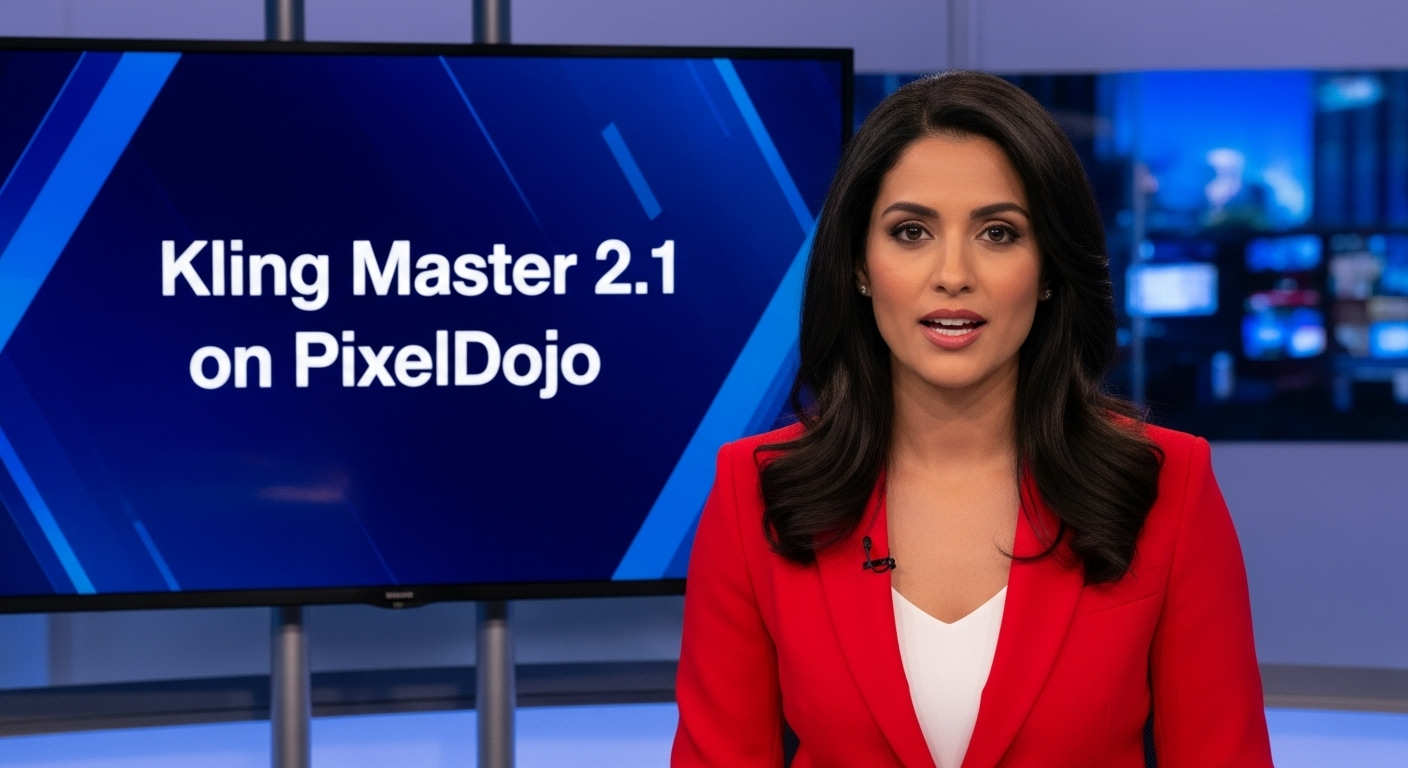
A photo of a beautiful news anchor
imagen
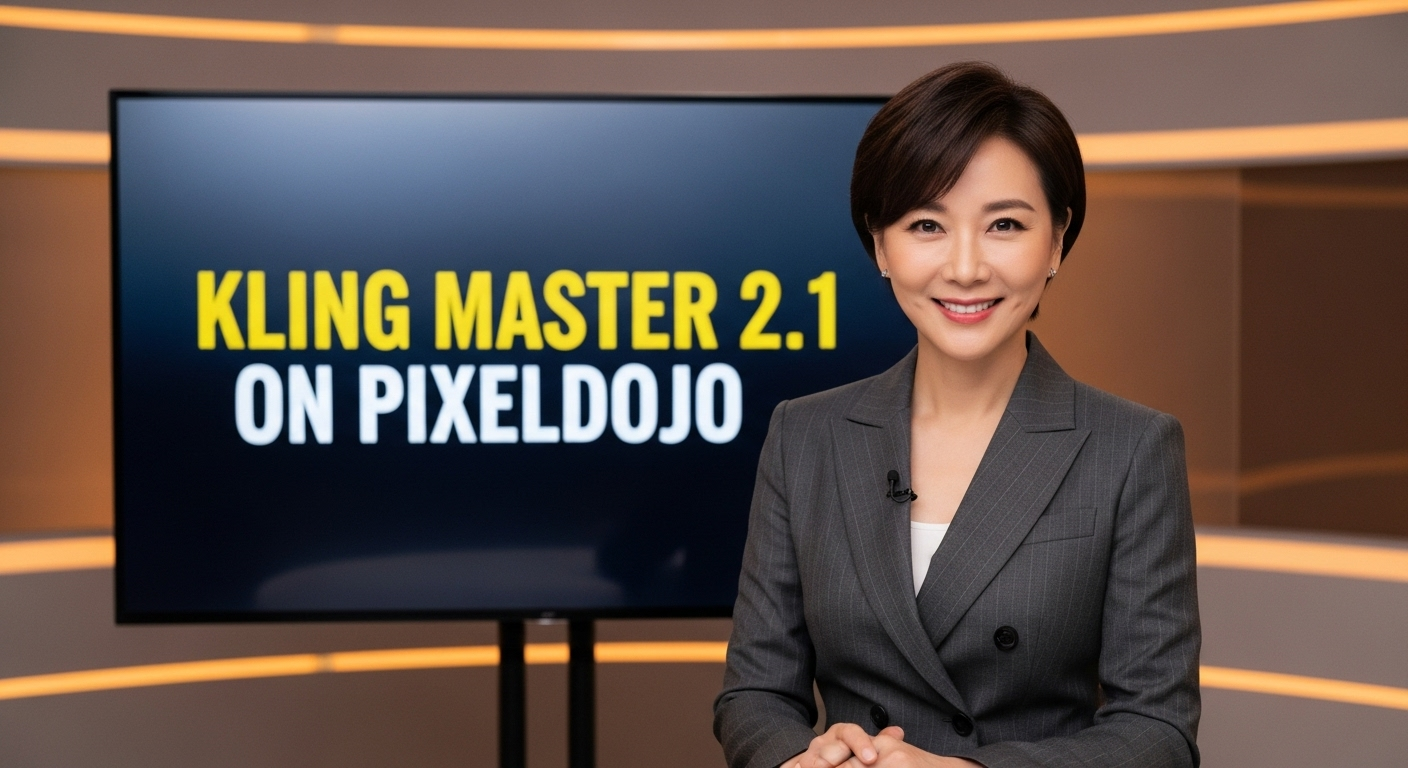
A photo of a beautiful news anchor
imagen
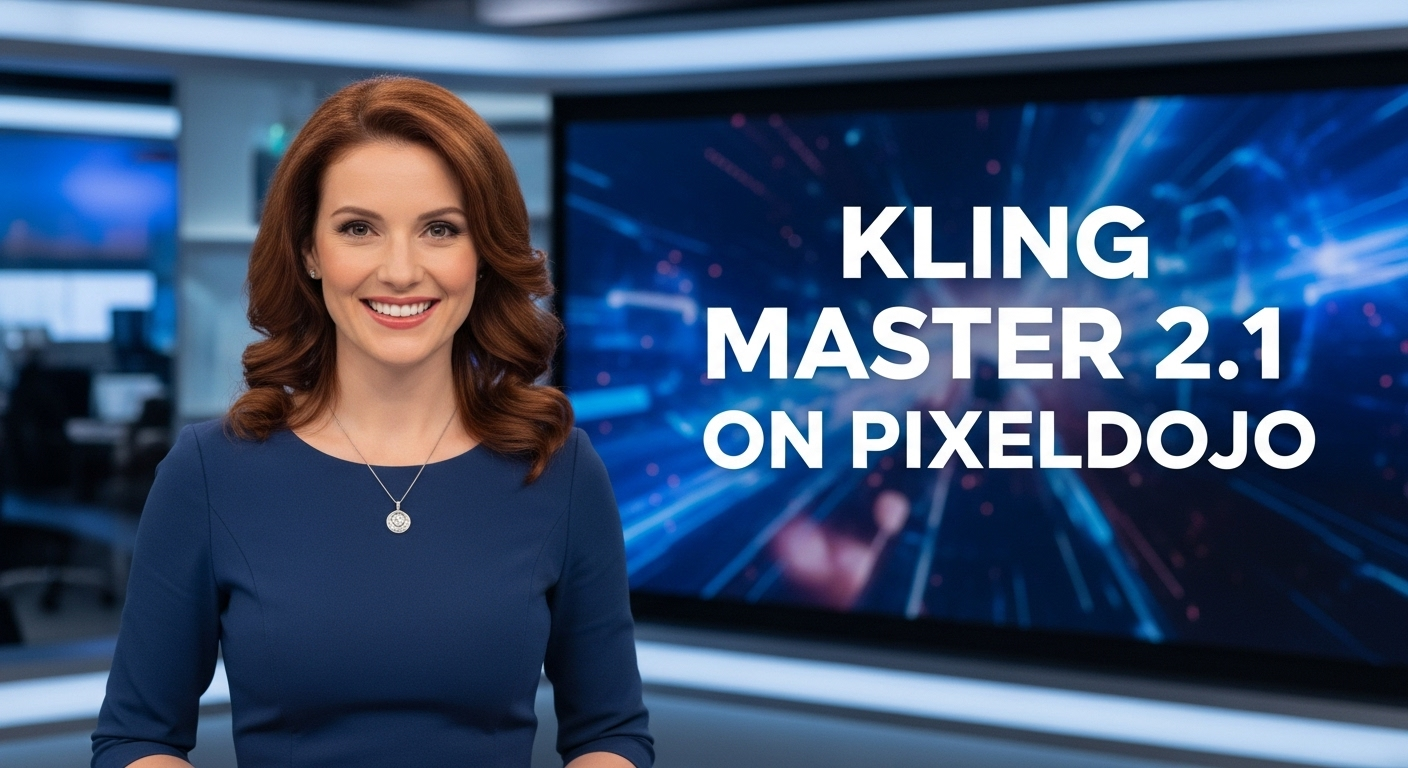
A photo of a beautiful news anchor
imagen
Models you can run on PixelDojo for kling 3.0 vs hailuo
Switch models without switching tools. Each one runs in the same PixelDojo studio.
What you can do with kling 3.0 vs hailuo on PixelDojo
Run Kling and Hailuo
We give you Kling 3.0 and Hailuo in one video workspace so you can generate clips from either model without switching tools.
Same Prompt Two Models
Send one prompt, duration, and framing to both Kling 3.0 and Hailuo, then review motion, faces, and style side by side.
Keep Versions Organized
We store each Kling and Hailuo take with its settings so you can compare cuts and pick the clip that fits the edit.
Download and Keep Editing
Export generated videos and continue color, sound, and assembly in the tools you already use.
Loved by thousands of creators worldwide. 40+ cutting-edge AI tools in one place, cancel anytime, start creating in seconds.
Why Choose Pixel Dojo for kling 3.0 vs hailuo
Professional-quality results with cutting-edge AI technology
Lock Cinematic Consistency Across Every Frame
You generate entire image series that stay visually locked using Kling Image 3.0’s Image Series Mode and up to 10 reference images. Faces, outfits, lighting, and style remain identical from wide shot to close-up so your storyboards, character sheets, and campaign assets look like they came from the same production. Pair the stills with Kling Video or Hailuo 2.3 to keep that identity when motion begins.
Iterate at Volume Without Sacrificing Quality
You test dozens of product angles, lighting setups, or prompt variations in the time it used to take for one render. Hailuo 2.3 and MiniMax H3 deliver physics-accurate motion and fast turnaround while Kling Image 3.0 gives you the high-fidelity starting frames. You ship more campaigns, more ads, and more social content every week.
Finish Everything in One Platform
You start with Kling Image or Seedream 5, animate with Kling Video, Hailuo 2.3 or MiniMax H3, then polish with Image Outpainting, Reality Polisher, Video Autocaption, P-Image Upscale and Flux Video Upscale. No exporting, no extra subscriptions. Your finished 4K assets are ready for clients or platforms the same session you began.
How It Works
PixelDojo lets you combine Kling 3.0’s cinematic strengths with Hailuo’s speed in three simple steps. You stay inside one interface from first still to finished video.
Step 1: Choose Your Starting Tool
Open Generate Images and select Kling Image for narrative 4K stills with series mode and multi-reference control, or jump straight to Generate Videos and pick Hailuo 2.3 or MiniMax H3 when you already have a hero frame. You can also start with Flux.2 Studio or Seedream 5 if you want a different aesthetic before locking the look with Kling Image.
Step 2: Direct Like a Filmmaker
Write prompts that describe camera language, emotion, and motion instead of just objects. For Kling Image 3.0 include shot type, lighting mood, and sequential logic. For Hailuo 2.3 or MiniMax H3 describe physics, fabric, water, or camera path. Upload up to 10 references on Kling Image or use image-to-video on Hailuo tools. PixelDojo’s interface keeps your references and prompt history so you iterate without starting over.
Step 3: Refine, Animate, and Export
Use Edit Images tools such as Inpainting, Change Camera Angle, Style Transfer, and Reality Polisher on your Kling stills. Send the approved frame to Kling Video, Hailuo 2.3 or MiniMax H3 for motion. Finish with Video Reframe, Merge Videos, Extract Frame, or upscale with Magnific Upscaler and FLUX Video Upscale. Download 4K stills or video ready for any platform. Everything stays inside PixelDojo so you never lose consistency.
The Pixel Dojo Advantage
PixelDojo gives you the actual Kling Image 3.0 and Hailuo models plus every supporting tool in one subscription, so you outperform every other way of creating this content.
| Others | Pixel Dojo |
|---|---|
| Traditional photography and video production | You skip location fees, talent bookings, and days of shooting. Generate a full 4K series plus motion in the time a traditional crew sets up lights, then iterate instantly when the client wants a new angle. |
| Generic AI tools | You get the specific Kling Image 3.0 cinematic engine and Hailuo 2.3 / MiniMax H3 physics models instead of a watered-down average. Plus you keep character identity across stills and video with native series mode and reference locking that generic platforms cannot match. |
| Manual photo and video editing | You replace hours of rotoscoping, color matching, and frame-by-frame consistency work with one-click Inpainting, Style Transfer, Character Sheets, and Video Autocaption. Your final assets look hand-crafted without the labor. |
Loved by creators on PixelDojo
Real feedback from people using PixelDojo, pulled from our in-product surveys.
Best AI tool availble the suite is rad
Versatility quality, value, ROI, innovation
variety of tools available and prompt tools
A "one-stop-shop" for creators! Thanks!!
Lots of different tools. It's easy to purchase more credits.
Amazing performance!
Explore more AI tools on PixelDojo
AI Tools
Compare & Switch
- Best AI Image Generators
- Best AI Video Generators
- Midjourney Alternatives
- Civitai Alternatives
- Runway Alternatives
- Leonardo Alternatives
- Pika Alternatives
- Luma Alternatives
- Magnific Alternatives
- Veo Alternatives
- Flux Alternatives
- Freepik Alternatives
- Seedance Alternatives
- Seedream Alternatives
- Pixverse Alternatives
- GPT Image Alternatives
- Synthesia Alternatives
- Playground Alternatives
- NightCafe Alternatives
- Canva AI Alternatives
- ElevenLabs Alternatives
- ComfyUI Alternatives
- Fal Alternatives
- Replicate Alternatives
Common Questions
Everything you need to know about kling 3.0 vs hailuo
What is the real difference between Kling 3.0 and Hailuo for image-to-video workflows?
Kling Image 3.0 plus Kling Video excel at cinematic language, multi-shot sequences, native 4K stills, and locking faces and outfits across an entire series using up to 10 references. Hailuo 2.3 and MiniMax H3 win on raw speed, cost per clip, and physically believable motion for products, fabrics, water, and environments. On PixelDojo you simply pick the right tool for the shot: start with Kling Image for the hero still, then choose Hailuo 2.3 when you need twenty fast variations or MiniMax H3 when you want native stereo audio in the same pass.
How do I keep characters consistent when switching between Kling Image 3.0 and Hailuo tools?
Upload the same set of reference images to Kling Image 3.0’s multi-reference and Image Series Mode first. Once you approve the stills, send that exact frame plus the same references into Kling Video, Hailuo 2.3 or MiniMax H3 using PixelDojo’s image-to-video flow. You can further lock identity with Consistent Characters, Character Sheets, Ideogram Character, and Face Swap tools before animation. The result is a character that looks identical from first still through every video clip.
Can I generate both stills and video in the same PixelDojo session using Kling and Hailuo?
Yes. You stay inside one dashboard. Create the 4K cinematic stills with Kling Image, Flux.2 Studio or Seedream 5, then immediately drop the keeper into Hailuo 2.3, MiniMax H3, Kling Video or WAN 3.0. Edit the stills with Inpainting or Change Camera Angle, polish the video with Kling Video Edit or Seedance 2.5 Video Edit, add captions, reframe, and upscale—all without leaving PixelDojo. Your prompt history and references travel with you.
Which PixelDojo tools should I use after generating with Kling 3.0 or Hailuo?
After Kling Image 3.0, run Reality Polisher, Background Remover, Image Outpainting, and P-Image Upscale or Magnific Upscaler. After Hailuo 2.3 or MiniMax H3 video, use Video Autocaption, Video Reframe, Merge Videos, Extract Frame, Grok Video Edit, and FLUX Video Upscale. For characters add Kling Avatar, Face Swap, or Flux Pro Virtual Try-On. Everything is built to keep the cinematic look you started with.
Is PixelDojo cheaper than running Kling 3.0 and Hailuo separately?
You get both model families plus 40+ supporting tools (Nano Banana 2, GPT Image 2, VEO 3.1, Seedance 2.5, Rodin 3D, Train Models, Developer API) under one subscription. No extra logins, no separate credit systems, and you can cancel anytime. Most creators find they produce more finished assets per month because they never leave the platform to stitch, upscale, or caption.
How do I write prompts that take advantage of Kling 3.0 cinematic features versus Hailuo physics?
For Kling Image 3.0 write like a director: include shot size, camera move, lighting mood, and sequential story beats. Use Image Series Mode language so the model understands the next frame logically. For Hailuo 2.3 and MiniMax H3 describe materials, weight, collision, and environmental forces in plain language. PixelDojo stores your best prompts so you can reuse the cinematic block on Kling and the physics block on Hailuo without rewriting. Start with a simple test, then add one cinematic or physics detail at a time.