how many images to train a lora
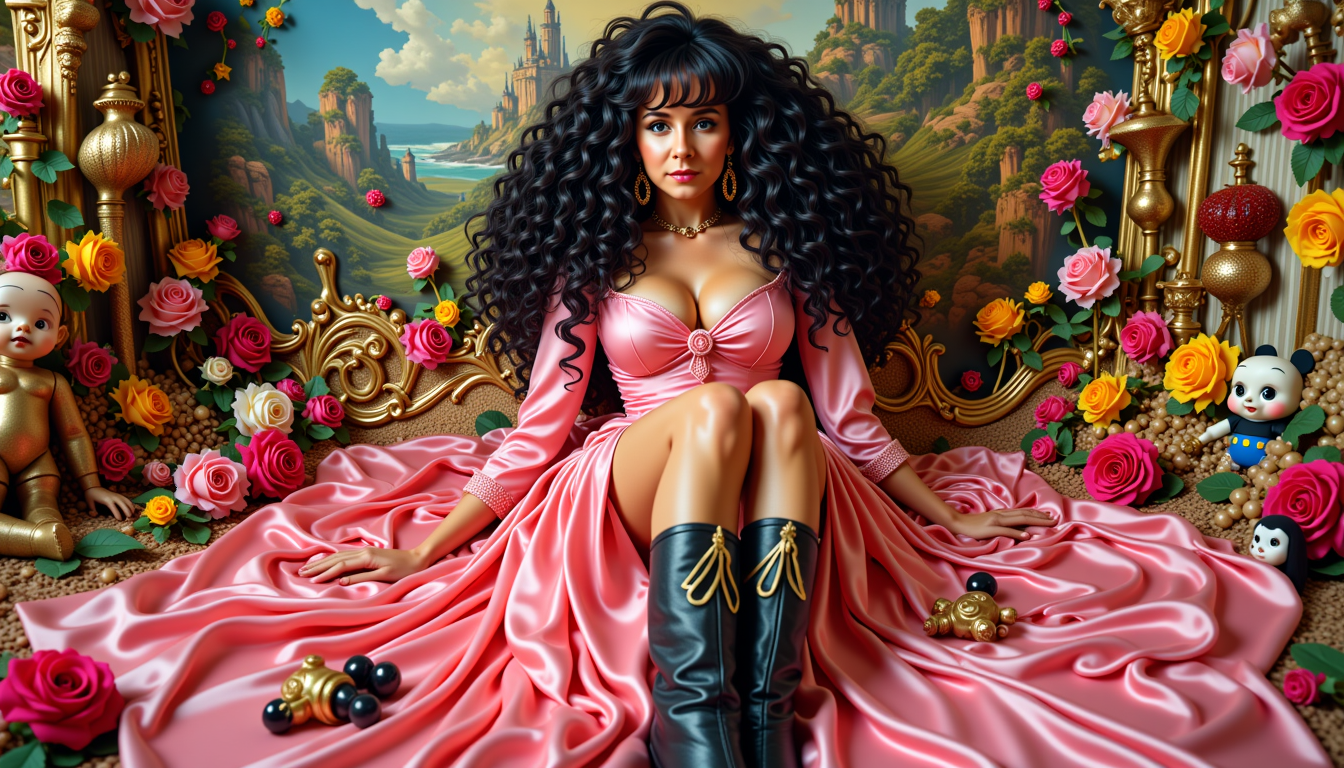
Generated on PixelDojo. Produced by PixelDojo's generation pipeline.
Training a LoRA (Low-Rank Adaptation) model allows you to fine-tune AI to generate images that align with your unique style or brand identity. Understanding the optimal number of images required for effective training is crucial to achieve high-quality results without unnecessary effort.
Real image examples generated on PixelDojo
Every example below was produced on PixelDojo. Hover to see the prompt.
MO-LoRa-Multi
stable-diffusion
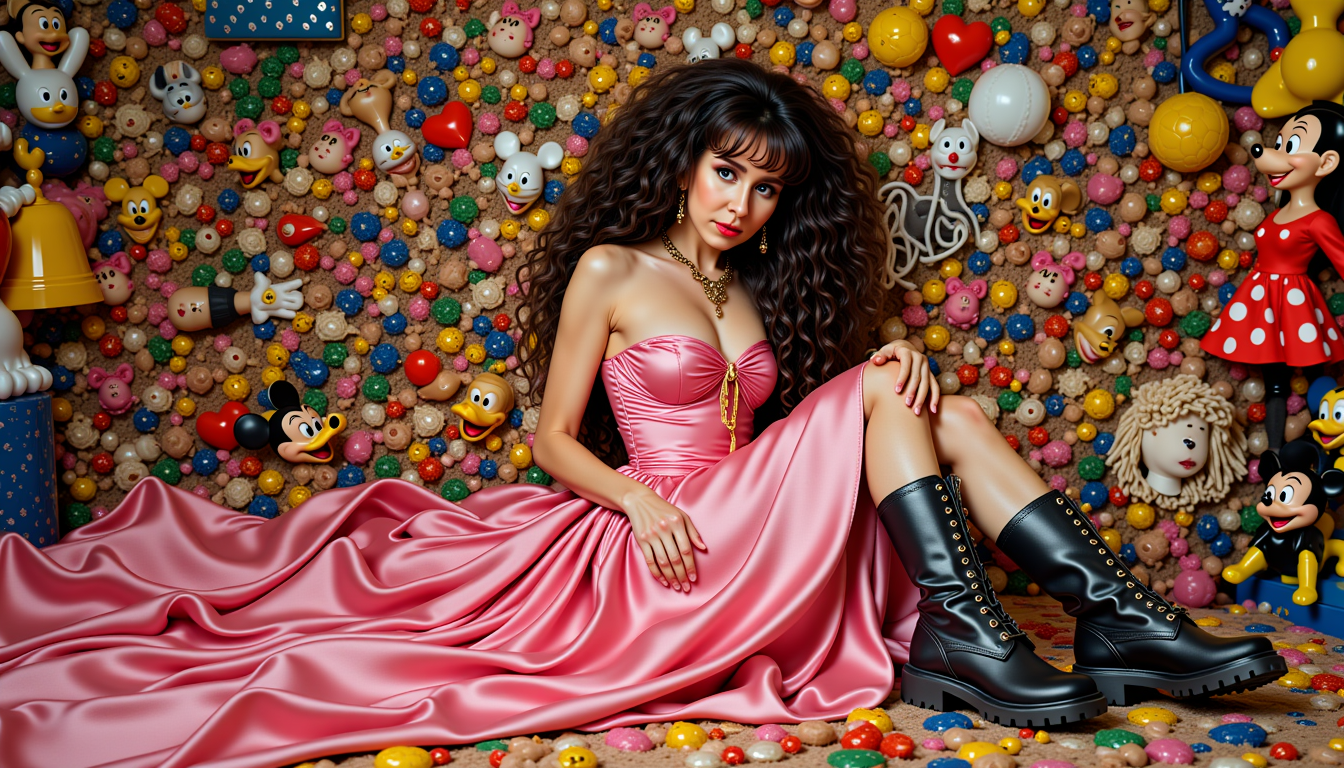
MO-LoRa-Multi
stable-diffusion
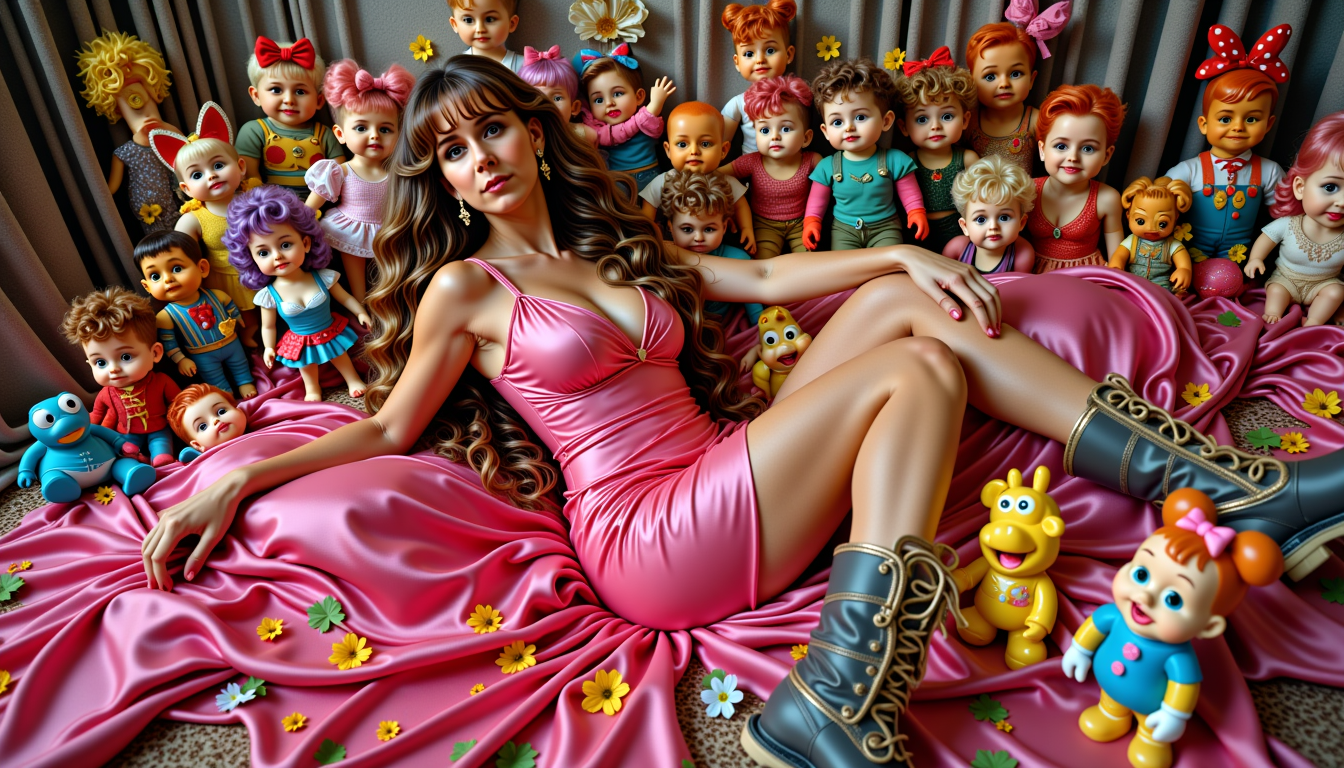
MO-LoRa-Multi
stable-diffusion
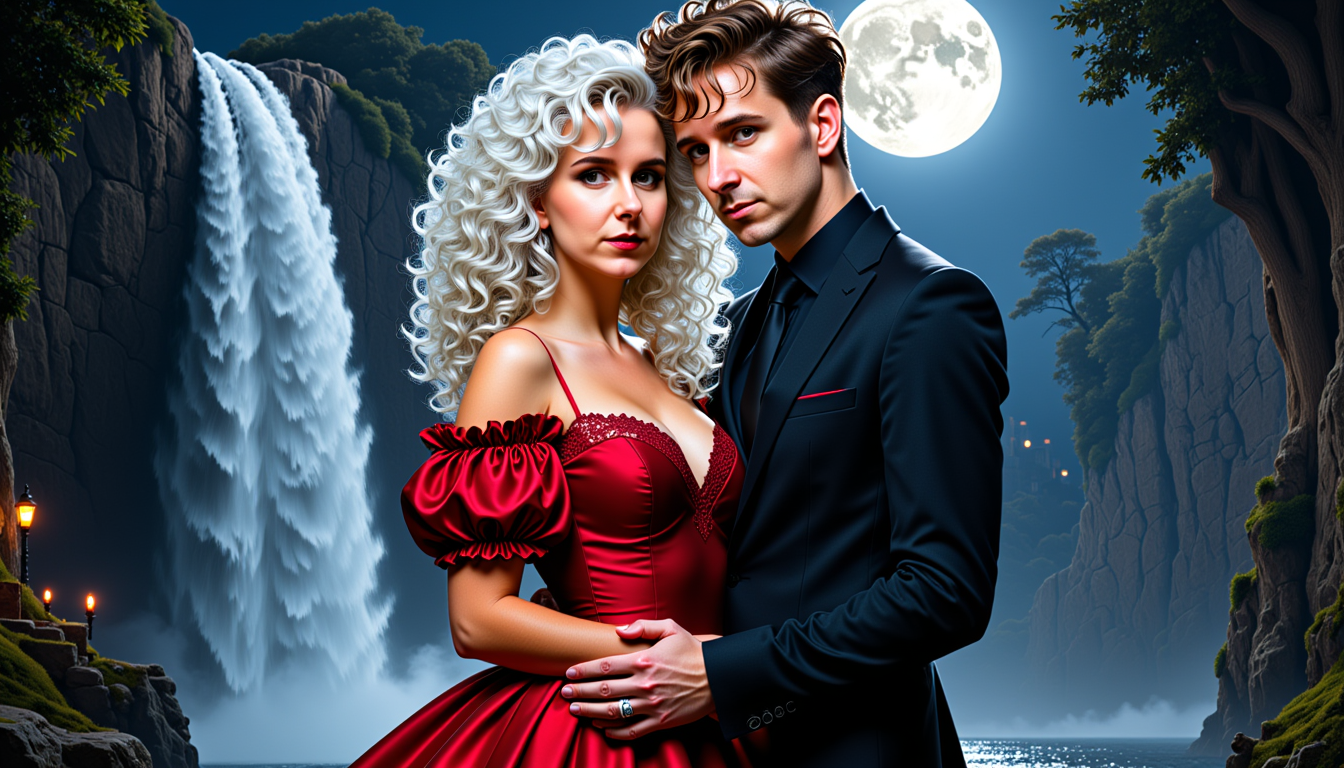
MO-LoRa-Pixie
stable-diffusion
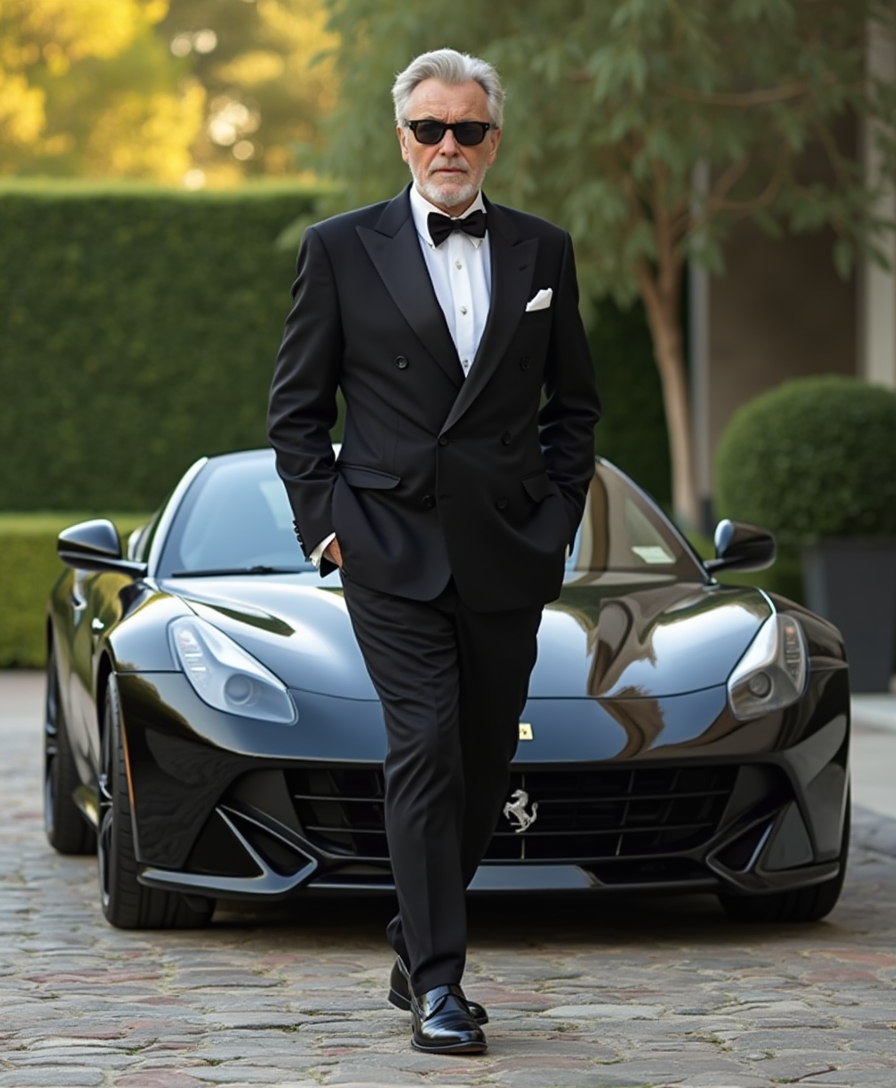
A stylish older man wtih an exceptionally muscular large physique
stable-diffusion
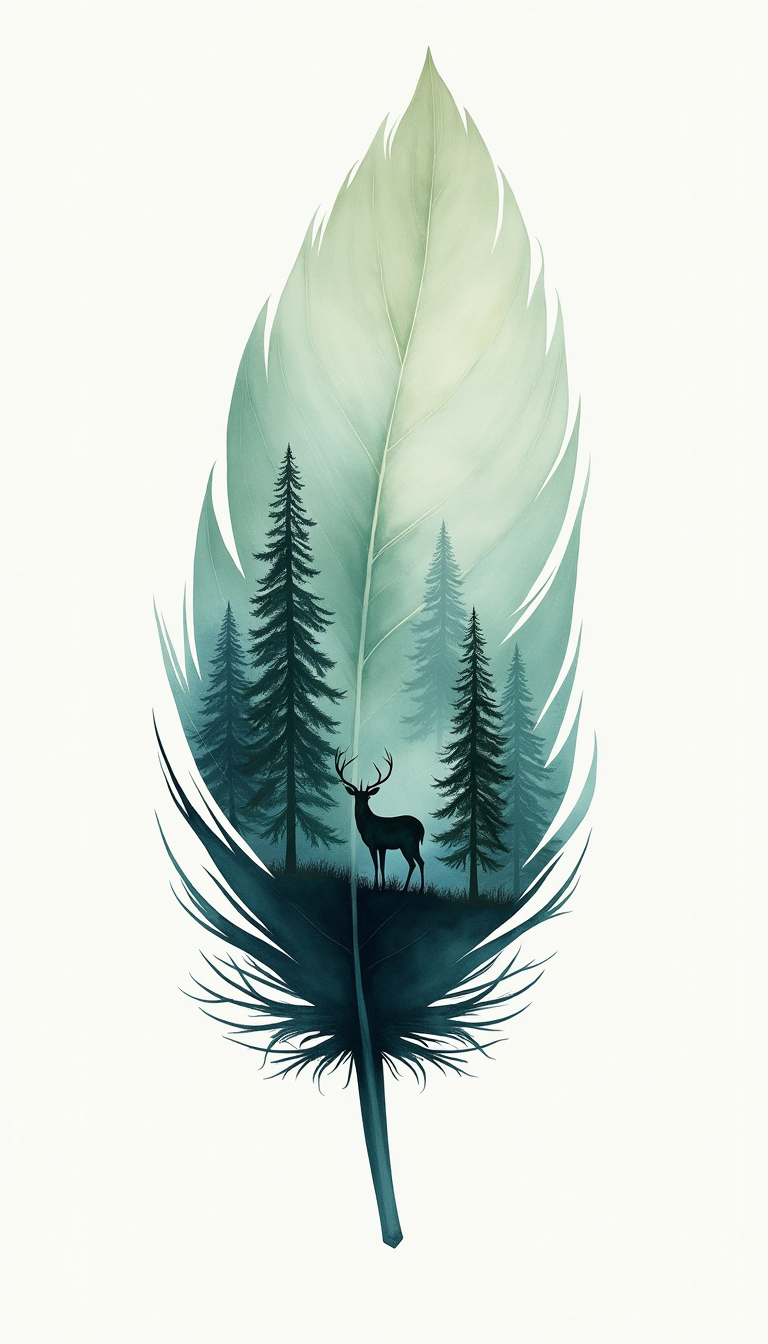
Create a captivating and intricate artistic piece centered on a single
flux
Models you can run on PixelDojo for how many images to train a lora
Switch models without switching tools. Each one runs in the same PixelDojo studio.
What you can do with how many images to train a lora on PixelDojo
Adjust Dataset Sizes for Training
We support uploading image collections of different lengths for LoRA creation. Creators observe how output quality changes with more or fewer examples.
Run Parallel Training Experiments
Users start multiple LoRA trainings at once using varied image counts. We display results together for easy comparison.
Organize Images by Count Groups
Creators sort reference photos into folders based on desired quantities. We process these groups directly into training pipelines.
Review Training Outcomes by Size
We provide tools to inspect models trained on small and large sets. Users select the configuration that matches their needs.
Join over 10,000 creators who have enhanced their visual content using PixelDojo's AI tools. Rated 4.8/5 based on 2,000+ reviews.
Why Choose Pixel Dojo for how many images to train a lora
Professional-quality results with cutting-edge AI technology
Efficient Training Process
Achieve high-quality LoRA models with a minimal yet effective number of training images.
Tailored Visual Content
Generate images that reflect your unique style and brand identity.
User-Friendly Experience
Train custom AI models effortlessly, even without technical expertise.
How It Works
Creating personalized AI-generated images with PixelDojo is straightforward. Follow these steps to train your custom LoRA model:
Step 1: Prepare Your Training Data
Gather 20-50 high-quality images that represent the style or subject you wish to emulate. Ensure these images are clear, diverse, and relevant to your desired outcome.
Step 2: Train Your LoRA Model
Upload your selected images to PixelDojo's FLUX Model Trainer. Our advanced AI will process these images to create a custom LoRA model tailored to your specifications.
Step 3: Generate and Customize Images
Use your trained LoRA model to generate new images. Input prompts that describe your desired outcome, and the AI will produce images that align with your custom model.
The Pixel Dojo Advantage
Why PixelDojo outperforms other options for LoRA model training:
| Others | Pixel Dojo |
|---|---|
| Traditional Image Creation | Eliminates the need for costly photoshoots and manual editing, delivering high-quality images swiftly. |
| Generic AI Tools | Offers personalized model training, ensuring outputs that are uniquely tailored to your brand's style. |
| Manual Photo Editing | Automates the creative process, saving time while maintaining artistic control and quality. |
Loved by creators on PixelDojo
Real feedback from people using PixelDojo, pulled from our in-product surveys.
it is an amazing site to create a pics and vids for those who don't have the hardware themselves
good tools in one place
Prompt updates, strong features, and a community that is always willing to help and hear/act on professional feedback. I've never had a better experience.
user friendly all in one thing
I really like the schedule of AI work performed!
The best tools for IA on the web !
Explore more AI tools on PixelDojo
AI Tools
Compare & Switch
- Best AI Image Generators
- Best AI Video Generators
- Midjourney Alternatives
- Civitai Alternatives
- Runway Alternatives
- Leonardo Alternatives
- Pika Alternatives
- Luma Alternatives
- Magnific Alternatives
- Veo Alternatives
- Flux Alternatives
- Freepik Alternatives
- Seedance Alternatives
- Seedream Alternatives
- Pixverse Alternatives
- GPT Image Alternatives
- Synthesia Alternatives
- Playground Alternatives
- NightCafe Alternatives
- Canva AI Alternatives
- ElevenLabs Alternatives
- ComfyUI Alternatives
- Fal Alternatives
- Replicate Alternatives
Common Questions
Everything you need to know about how many images to train a lora
How many images are needed to train a LoRA model effectively?
While you can achieve decent results with as few as 15-25 high-quality images, it's recommended to use 20-50 images for optimal performance. The key is to prioritize quality and diversity over sheer quantity.
Can I train a LoRA model with a single image?
Training with a single image is possible but may require extensive data augmentation to achieve satisfactory results. It's generally more effective to use a diverse set of images to capture the desired style or subject comprehensively.
What factors influence the number of images required for LoRA training?
The complexity of the style or subject, the quality and diversity of the images, and the desired fidelity of the generated images all influence the number of images needed. A well-curated dataset of 20-50 images is typically sufficient for most applications.
How does image quality affect LoRA model training?
High-quality, clear images with a moderate resolution are essential for effective training. Blurry or low-resolution images can lead to subpar model performance. Ensure your images are well-lit and accurately represent the style or subject you aim to emulate.
Is there a maximum number of images I should use for training?
While there's no strict maximum, using an excessively large dataset can lead to longer training times without significant improvements in model quality. Focusing on a curated set of 20-50 high-quality images is generally more efficient and effective.
Can I use images with different styles in my training dataset?
For training a LoRA model to emulate a specific style, it's best to use images that consistently represent that style. Mixing different styles can confuse the model and result in less accurate outputs. Consistency in your training dataset is key to achieving the desired results.