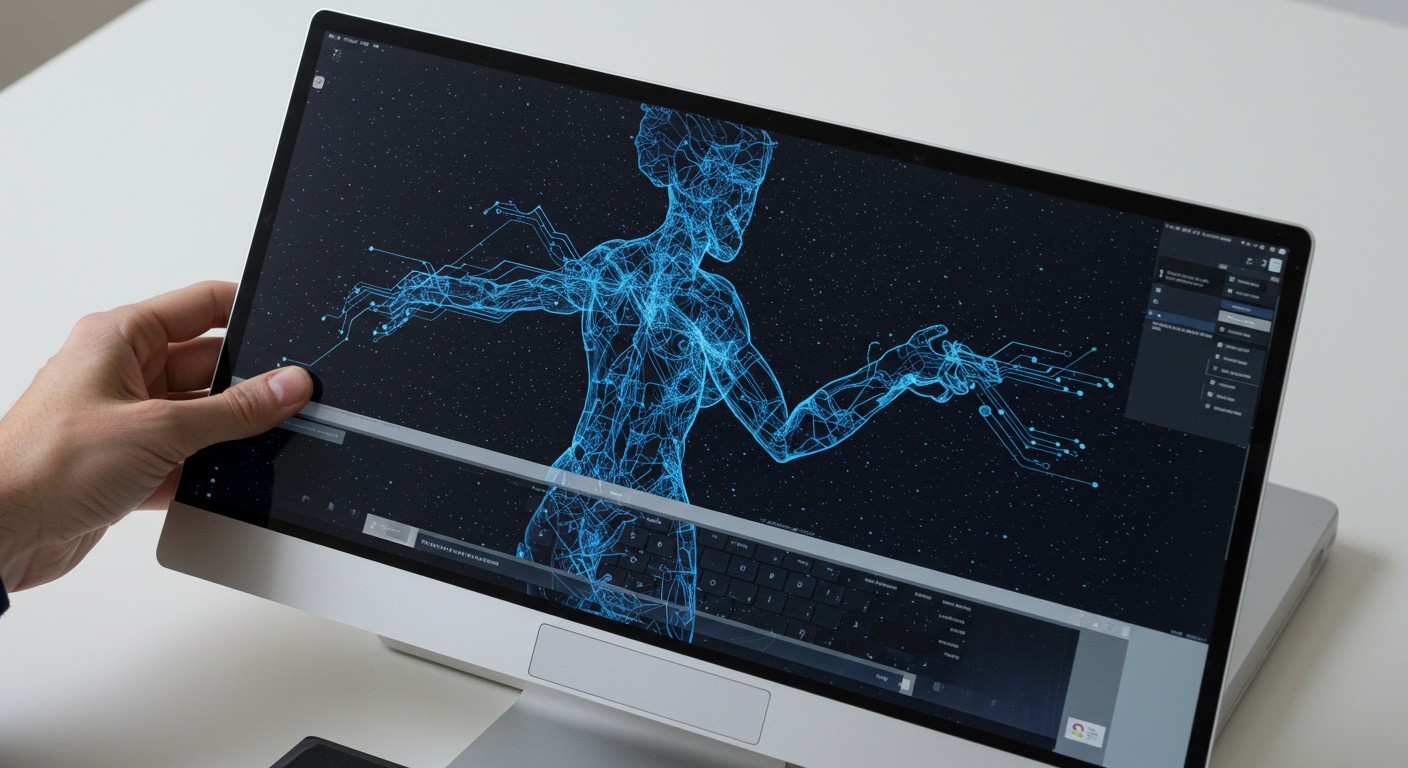
The Elusive Origins of AI-Generated Art: Challenges in Tracing Training Data
A recent study reveals that AI-generated images often cannot be traced back to their original training data, raising questions about authorship, copyright, and ethical considerations in AI art.
The Enigma of AI-Generated Art Origins
Artificial Intelligence (AI) has revolutionized the art world, enabling the creation of stunning images and videos through sophisticated algorithms. However, a recent study highlights a significant challenge: AI-generated images often cannot be traced back to their original training data. This discovery raises critical questions about authorship, copyright, and the ethical implications of AI in art.
Understanding the Study's Findings
Researchers at MIT conducted an in-depth analysis to determine the traceability of AI-generated images to their training datasets. They found that, in many cases, the outputs produced by generative models lack a direct link to any specific input data. This phenomenon occurs because these models synthesize new content by learning patterns and features from vast datasets, rather than replicating existing images.
Implications for Authorship and Copyright
The inability to trace AI-generated images to their source data complicates traditional notions of authorship and copyright. If an AI model creates an image that resembles existing artwork but isn't directly derived from it, determining ownership becomes challenging. This ambiguity necessitates a reevaluation of intellectual property laws to address the unique nature of AI-generated content.
Ethical Considerations in AI Art
Beyond legal concerns, the study's findings prompt ethical questions. Artists and creators may feel their work is being used without proper attribution or consent, even if the AI-generated images aren't direct copies. This situation underscores the need for transparency in how AI models are trained and the importance of obtaining permission when using existing artworks as training data.
Exploring AI Art with PixelDojo's Tools
For those interested in delving into AI-generated art, PixelDojo offers a suite of tools that allow users to experiment with and understand this technology:
-
MAI Image: Utilizing Microsoft's text-to-image capabilities, MAI Image enables users to generate detailed and naturally lit images from textual descriptions. This tool provides insight into how AI interprets and visualizes text prompts.
-
Nano Banana 2: This tool leverages Google's advanced algorithms for multi-image fusion and editing, allowing users to combine and manipulate images seamlessly. It's an excellent resource for exploring the creative possibilities of AI in image synthesis.
-
Reve 2.1: Offering frame-level control, Reve 2.1 allows users to generate, edit, or remix up to eight images simultaneously. This feature provides a hands-on experience with the intricacies of AI-driven image generation and editing.
The Future of AI-Generated Art
As AI continues to evolve, the art world must adapt to these technological advancements. Establishing clear guidelines for the use of training data, ensuring transparency in AI model development, and revising copyright laws are essential steps toward integrating AI-generated art into the broader creative landscape responsibly.
Conclusion
The study's revelation that AI-generated images often cannot be traced to their training data highlights the complexities at the intersection of technology and art. By utilizing tools like those offered by PixelDojo, individuals can gain a deeper understanding of AI's capabilities and contribute to the ongoing discourse on the ethical and legal frameworks necessary for this emerging field.
Original Source
Read original articleCreate Incredible AI Images Today
Join thousands of creators worldwide using PixelDojo to transform their ideas into stunning visuals in seconds.
30+
Creative AI Tools
2M+
Images Created
4.9/5
User Rating