Industry News
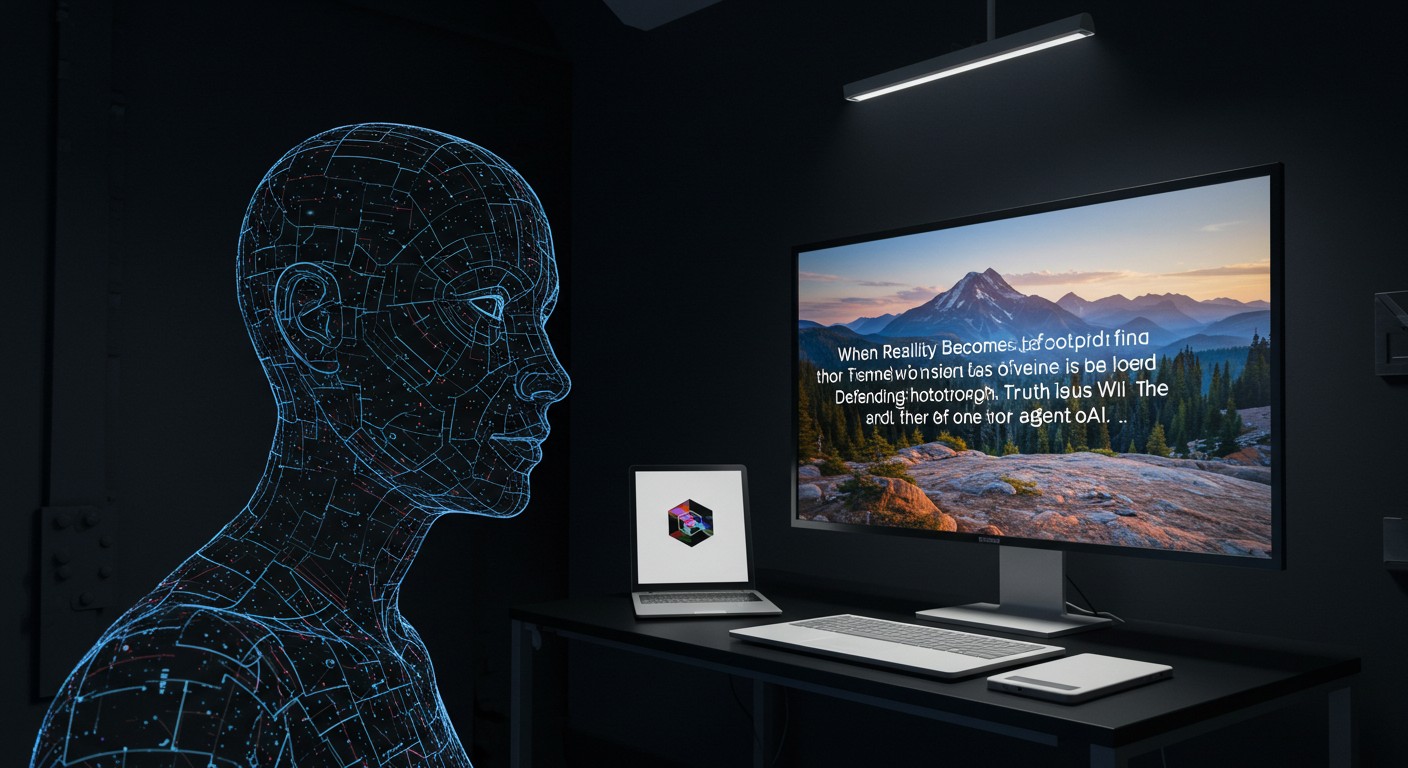
When Reality Becomes Optional: Defending Photographic Truth in the Age of AI
As artificial intelligence revolutionizes image creation, the photography community faces the challenge of preserving authenticity and truth in visual media.
The Rise of AI-Generated Imagery
Artificial intelligence has dramatically transformed the landscape of visual media. Advanced AI models can now generate hyper-realistic images from textual descriptions, blurring the lines between reality and fabrication. This technological leap offers exciting creative possibilities but also raises significant concerns about the authenticity of visual content.
Challenges to Photographic Authenticity
The proliferation of AI-generated images challenges the traditional role of photography as a medium for capturing reality. With AI's ability to produce convincing visuals, distinguishing between genuine photographs and AI creations becomes increasingly difficult. This ambiguity threatens the credibility of photographic evidence in journalism, legal contexts, and historical documentation.
The Role of Photographers in Upholding Truth
Photographers and visual artists must adapt to this evolving landscape by:
- Emphasizing Transparency: Clearly disclosing when images have been altered or generated using AI tools.
- Educating Audiences: Informing the public about the capabilities and limitations of AI in image creation to foster critical viewing skills.
- Advocating for Ethical Standards: Collaborating with industry peers to establish guidelines that preserve the integrity of photographic work.
Leveraging AI Responsibly with PixelDojo's Tools
While AI poses challenges, it also offers tools that, when used responsibly, can enhance creative expression. PixelDojo provides a suite of AI-powered tools that photographers can utilize:
-
MAI Image: Microsoft's text-to-image tool that generates images with crisp detail and natural lighting. Photographers can use this to conceptualize shoots or create visual references.
-
Nano Banana 2: A multi-image fusion and editing tool leveraging Google's technology, allowing for innovative compositing and editing techniques.
-
Reve 2.1: Enables generation, editing, or remixing of up to eight images with frame-level control, offering precise adjustments for creative projects.
By integrating these tools thoughtfully, photographers can expand their creative horizons while maintaining a commitment to authenticity.
Establishing Ethical Frameworks
To navigate the complexities introduced by AI in photography, the community should:
- Develop Verification Methods: Implement technologies and practices that can authenticate the origin and integrity of images.
- Promote Media Literacy: Educate the public on discerning between authentic photographs and AI-generated images.
- Set Industry Standards: Collaborate to create ethical guidelines governing the use of AI in photography.
Conclusion
The advent of AI in image generation presents both opportunities and challenges. By embracing responsible use of AI tools like those offered by PixelDojo and committing to ethical practices, the photography community can continue to uphold the truth and integrity that define the art form.
Original Source
Read original articlePremium AI Tools
Create Incredible AI Images Today
Join thousands of creators worldwide using PixelDojo to transform their ideas into stunning visuals in seconds.
124
Creative AI Tools
4M+
Creations
60+
AI Video Models