Model comparison
MiniMax H3 Image vs GPT Image 2.6
We ran the same eight prompts on MiniMax H3 Image and GPT Image 2.6. One try each, nothing picked or re-rolled. Here is how they compare.
Try MiniMax H3 ImageThe short answer
- H3 Image makes the more natural photo. GPT Image 2.6 is more styled and likes to add things of its own.
- H3 Image sticks to your camera directions. GPT Image 2.6 reframes the shot when it thinks it looks better.
- GPT Image 2.6 is the pick for text and layout. Its menu and infographic were both right down to the smallest line.
- H3 Image costs less: 1.5 credits at 2K against 2 credits.
- H3 Image goes larger: 16 megapixels at 4K, about twice the pixels of GPT Image 2.6 at its largest.
At a glance
| MiniMax H3 Image | GPT Image 2.6 | |
|---|---|---|
| Best at | Photos that look taken, scenes with many exact details | Text, layouts and richly styled scenes |
| Price in this test | 1.5 credits | 2 credits |
| Largest size | 4K, 16 megapixels (4 credits) | 3840 x 2160 (4 credits) |
| Text in images | Exact when every word is quoted | Exact, small captions included |
| Photo edits | Up to 8 images | Up to 8 images |
Portrait photo
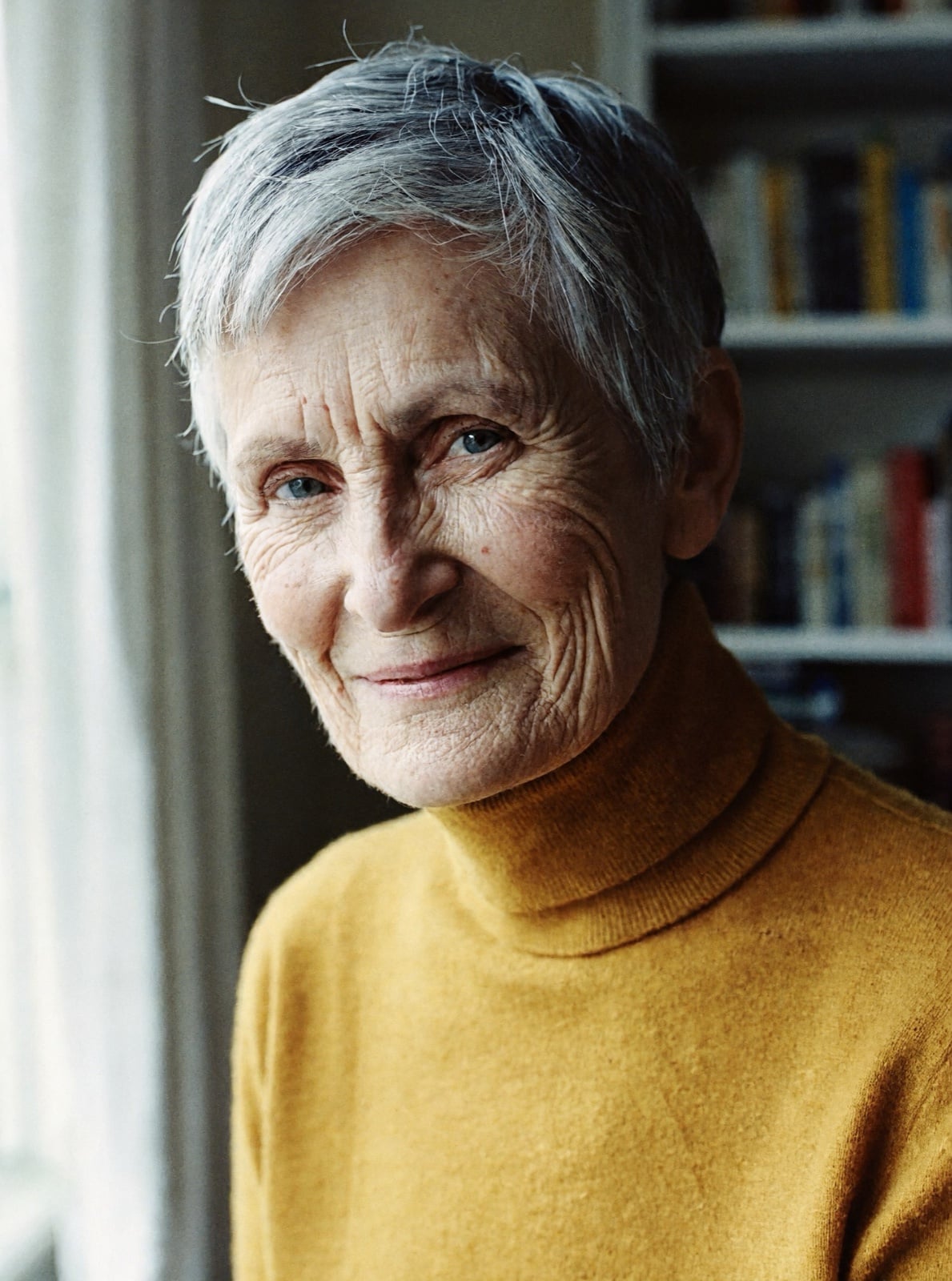
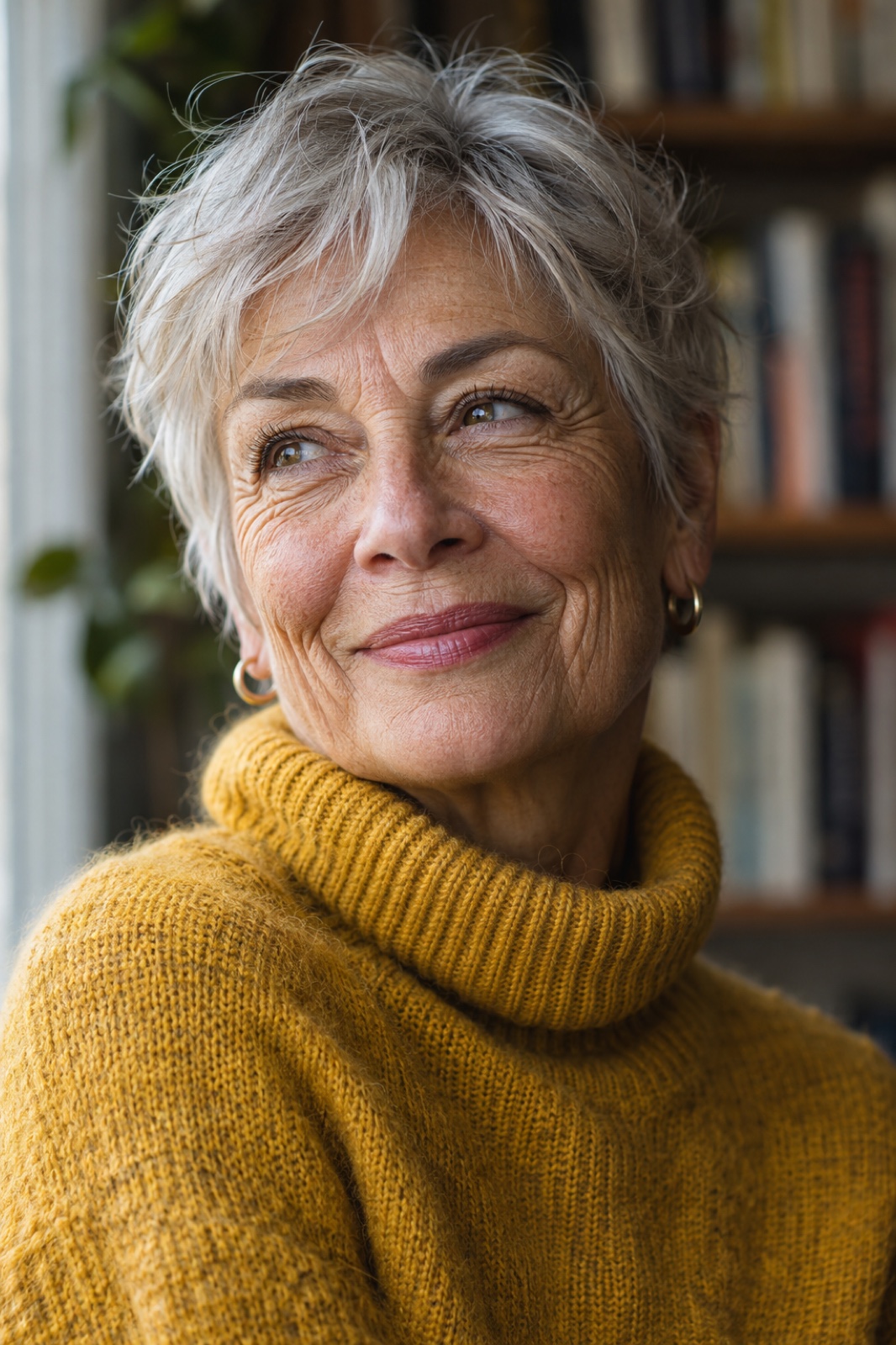
H3 Image looks like a photo of a real person: deep lines, loose hair, nothing smoothed. GPT Image 2.6 gets the glance away from the camera just right and adds gold earrings, with a slightly glossier finish.
A close-up editorial photograph of a woman in her sixties with short silver hair and deep laugh lines, wearing a mustard yellow wool turtleneck, looking slightly off camera with a small smile. Window light from the left, soft shadow on the right side of her face, shallow depth of field, a blurred bookshelf behind her. Natural skin texture with visible pores and fine hairs, catchlights in both eyes, shot on an 85mm lens at f/1.8.
Hands at work
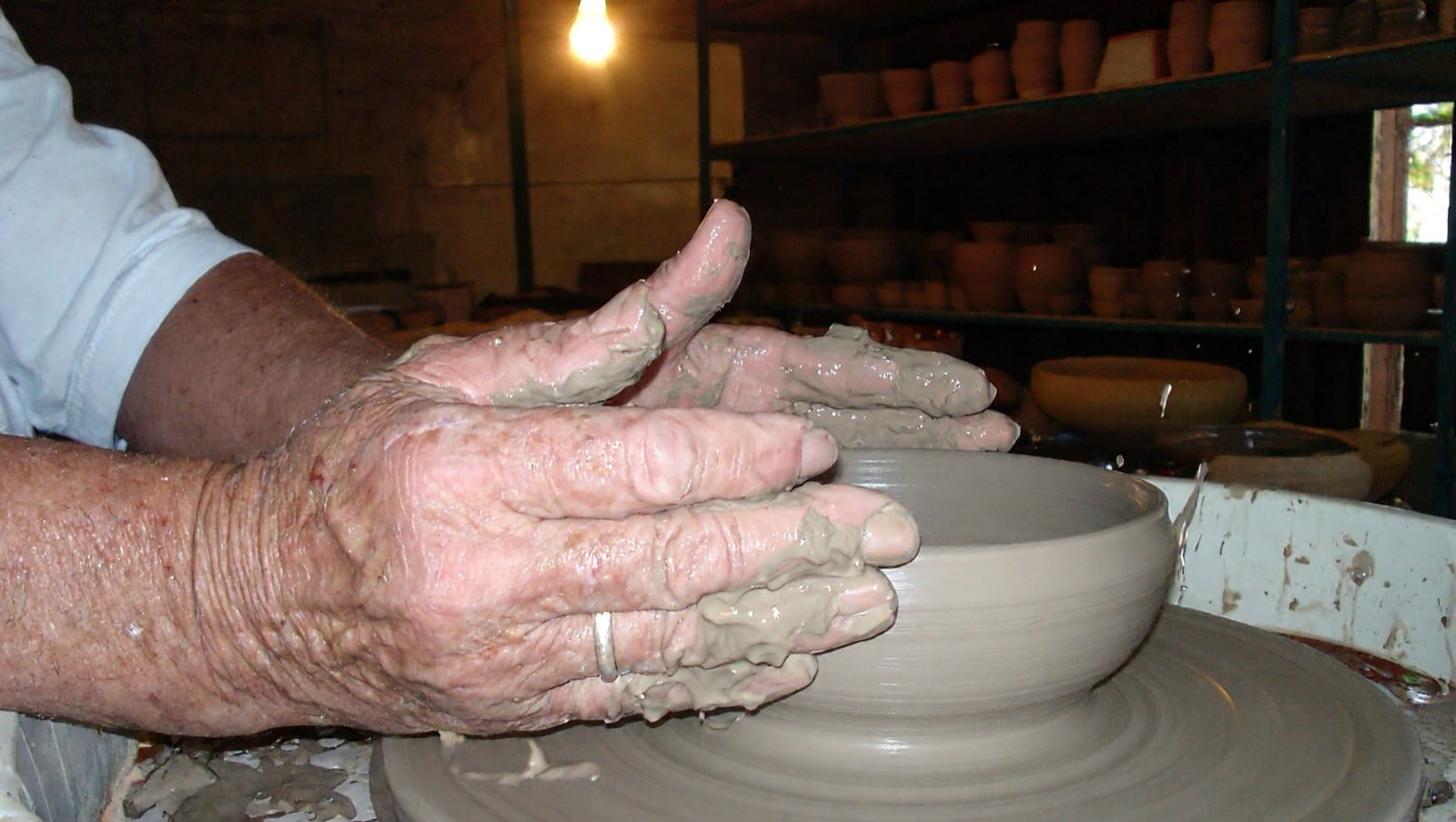
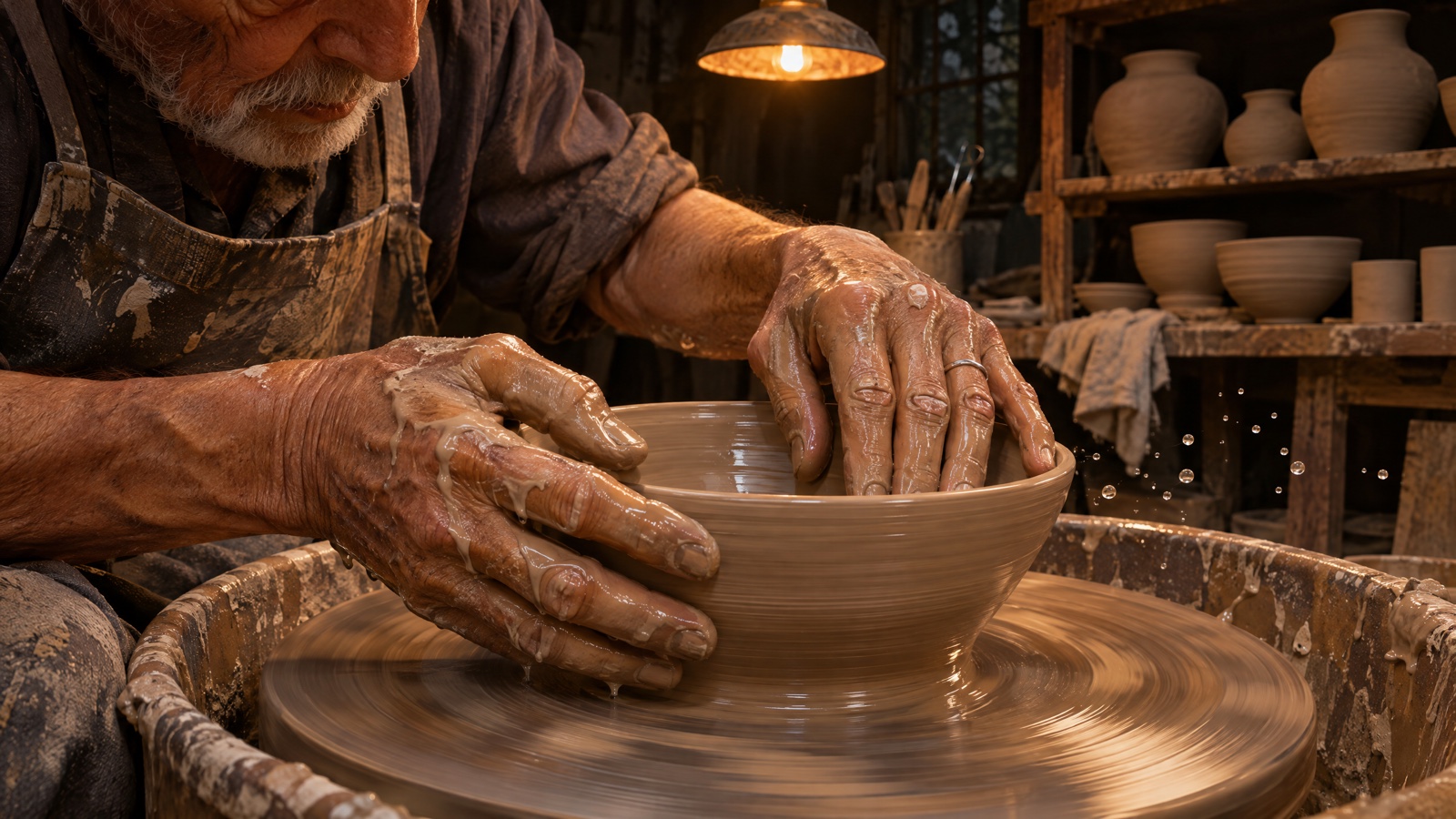
H3 Image gives the side view at wheel height the prompt asked for, with the silver ring in plain sight. GPT Image 2.6 pulls back to show the potter and his apron, with water flying off the wheel. It is the more cinematic frame, and the less literal one.
A photograph of an elderly potter's hands shaping a wet clay bowl on a spinning pottery wheel, seen from the side at table height. Both hands are fully visible with all ten fingers, clay slip running over the knuckles, a thin silver ring on the left ring finger. Water droplets flying off the wheel, a dim workshop behind with shelves of unfired pots, warm tungsten light from above, motion blur on the wheel only.
Five objects, each in its place
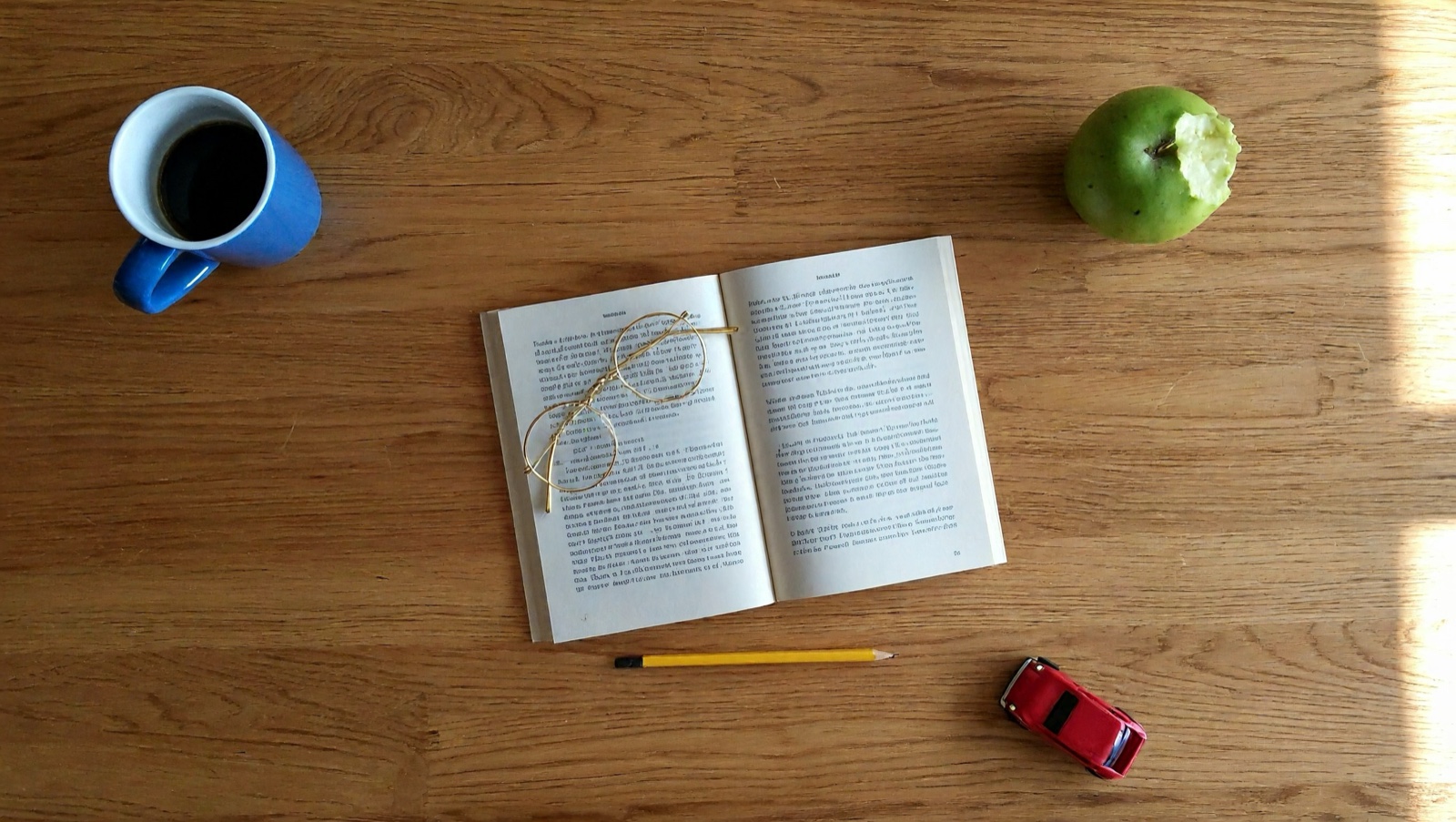
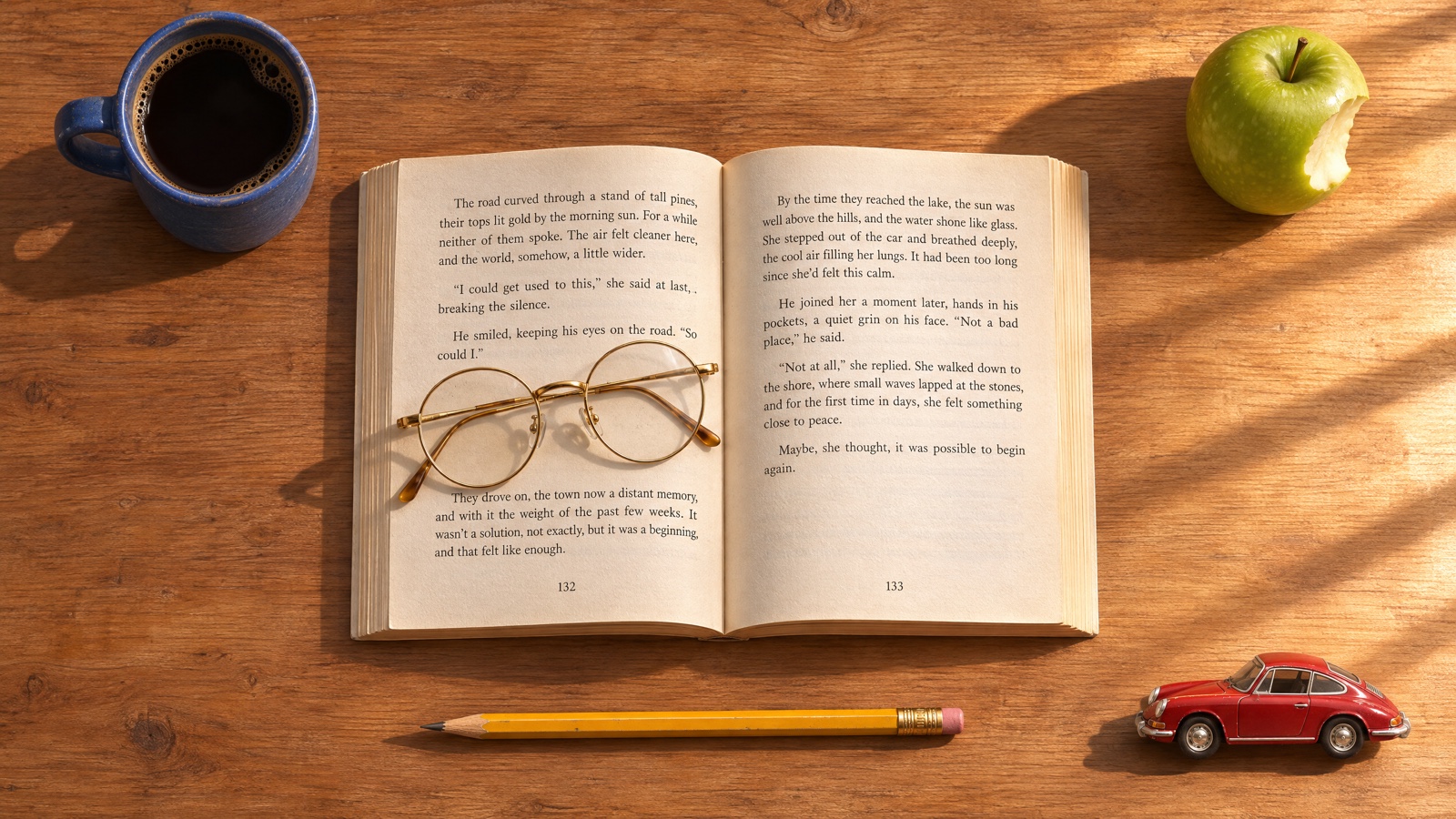
Both put the five objects in the right places. GPT Image 2.6 turns the toy car to face left and prints readable text on the pages, but its glasses sit across both pages. H3 Image keeps them on the left page and looks like a quick photo of a real table.
A wooden kitchen table photographed from directly above. Exactly five objects are on it: a blue ceramic mug of black coffee in the top left corner, a green apple with one bite taken out of it in the top right corner, an open paperback book in the center with a pair of round gold glasses resting on its left page, a yellow pencil lying horizontally below the book, and a small red toy car in the bottom right corner facing left. Morning sunlight coming from the right, soft long shadows pointing left.
Poster with text
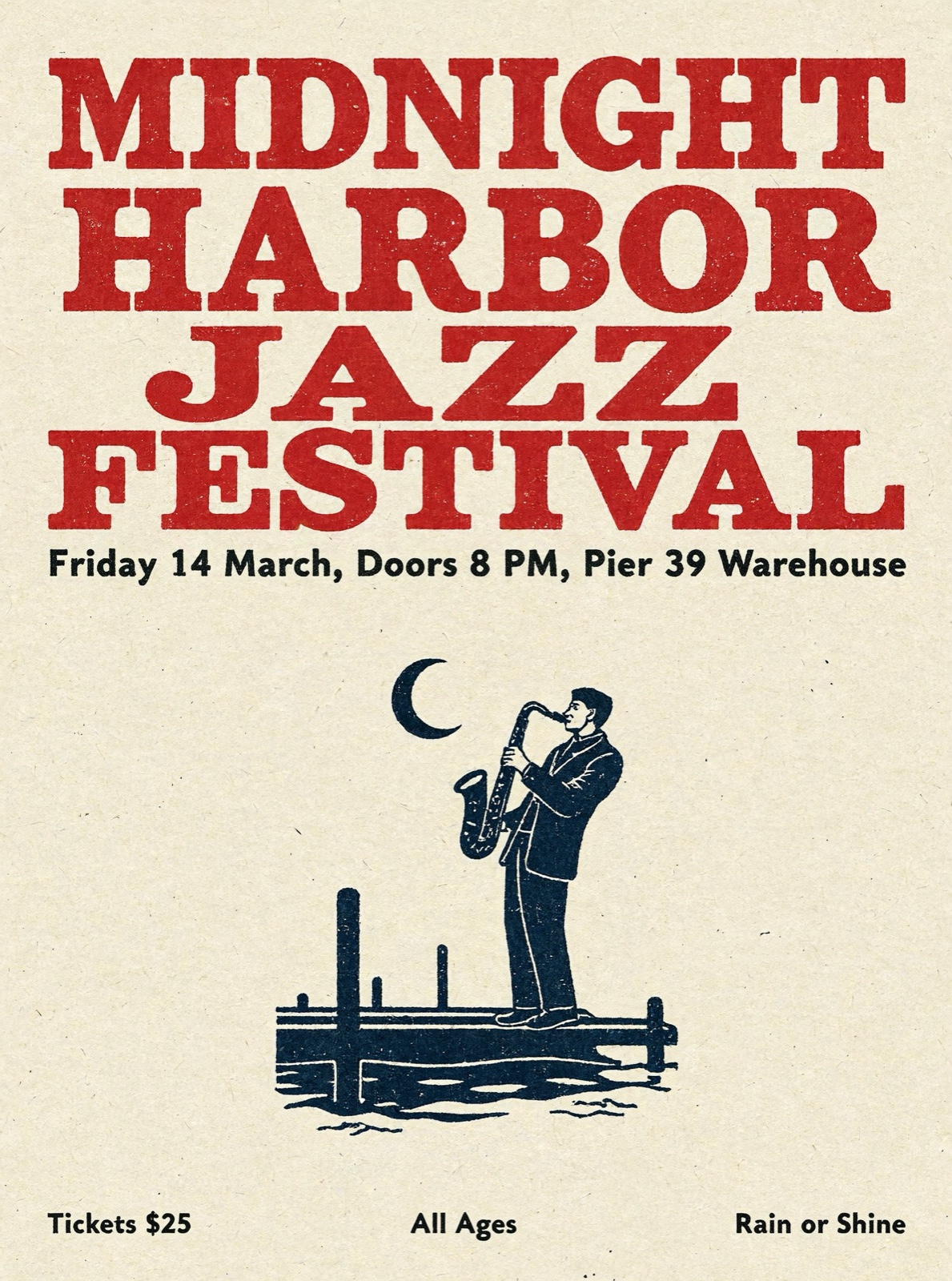
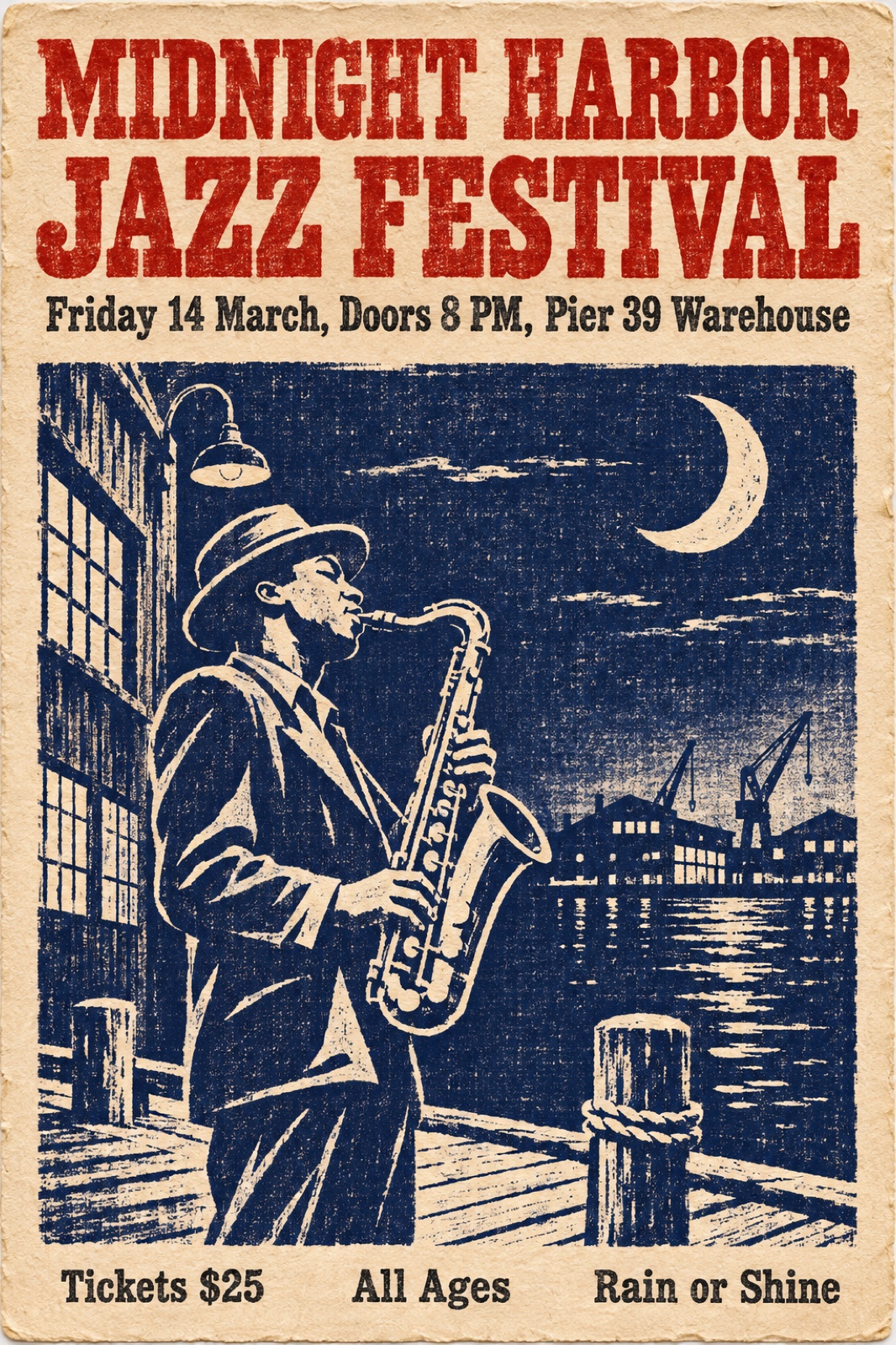
Every word is spelled right on both. H3 Image goes for a huge headline over a small, simple drawing. GPT Image 2.6 builds the richest scene of the test, on paper that looks properly aged.
A vintage letterpress concert poster on cream paper. Large headline at the top in bold red slab serif reads "MIDNIGHT HARBOR JAZZ FESTIVAL". Below it, smaller black text reads "Friday 14 March, Doors 8 PM, Pier 39 Warehouse". In the center, a navy blue linocut illustration of a saxophone player standing on a dock under a crescent moon. At the bottom, a row of three small lines of text: "Tickets $25", "All Ages", "Rain or Shine". Visible paper grain and slightly uneven ink.
Edit: same person, new scene
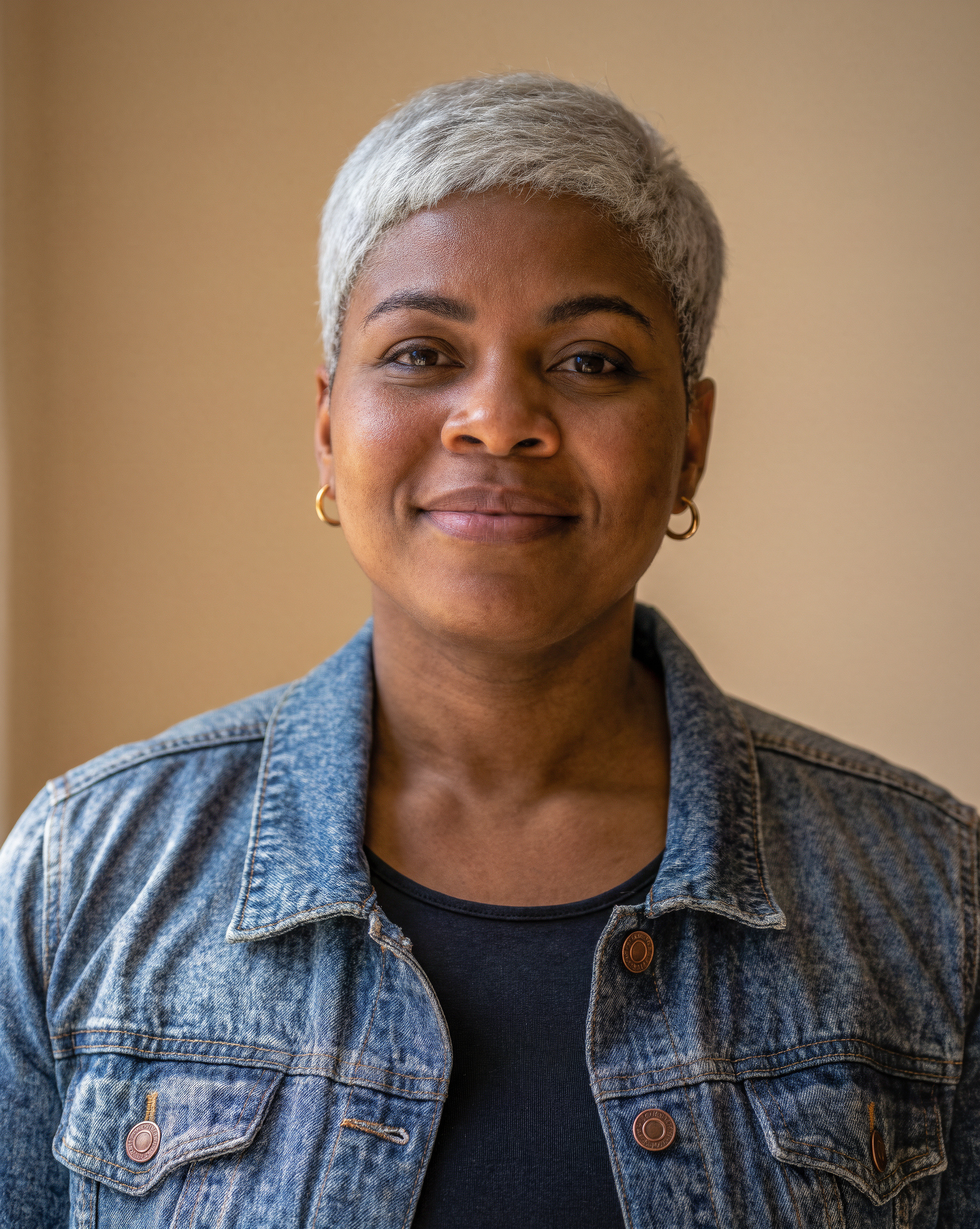
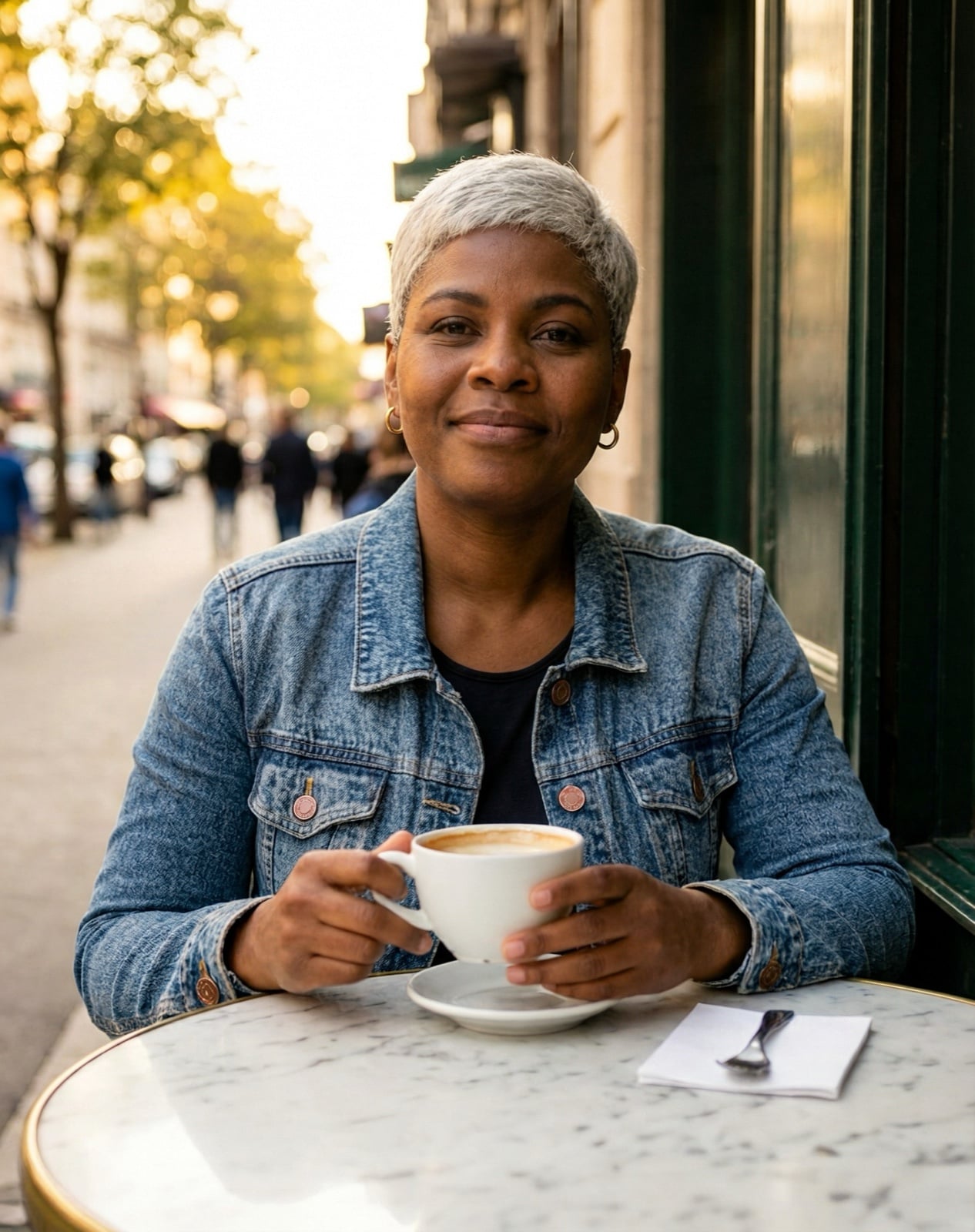
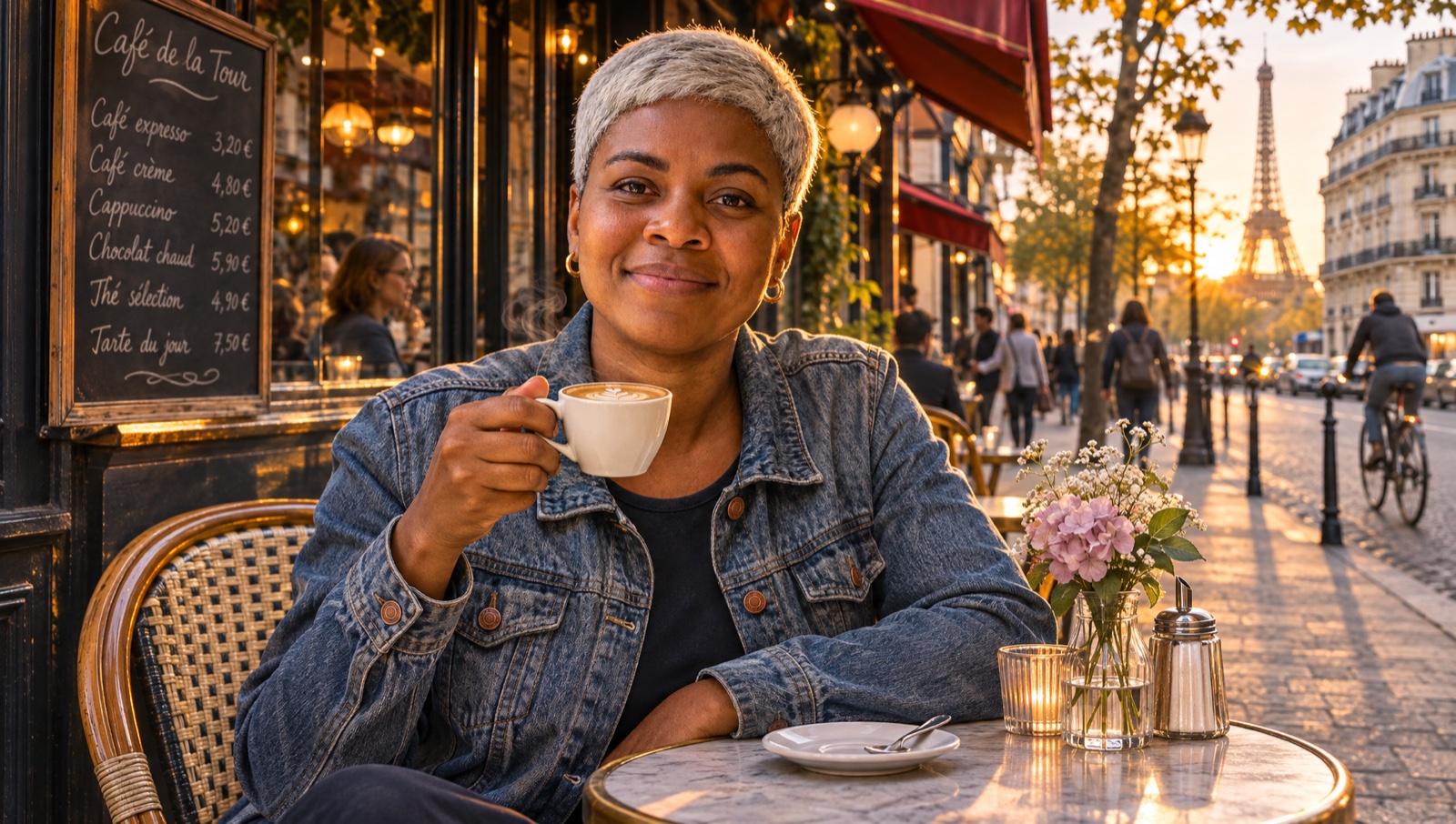
Both keep her face, her hair and the denim jacket. H3 Image gives a simple candid frame. GPT Image 2.6 dresses the whole street, with a menu board, flowers on the table and a famous tower in the distance.
The same woman from the image sitting at a cafe table in Paris, holding a cup of coffee, wearing the same denim jacket and gold earrings, candid street photograph, golden hour
Edit: product in a scene
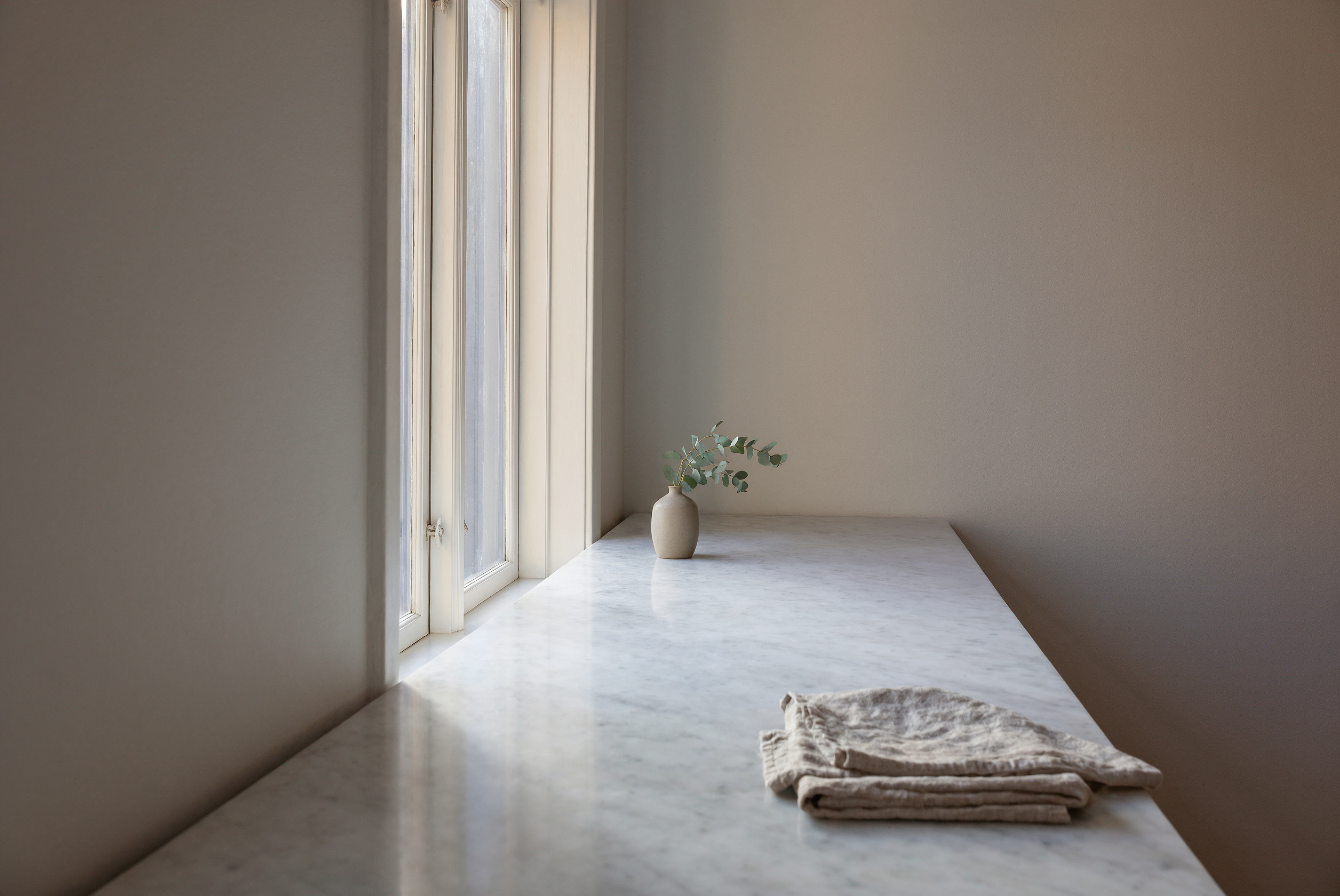
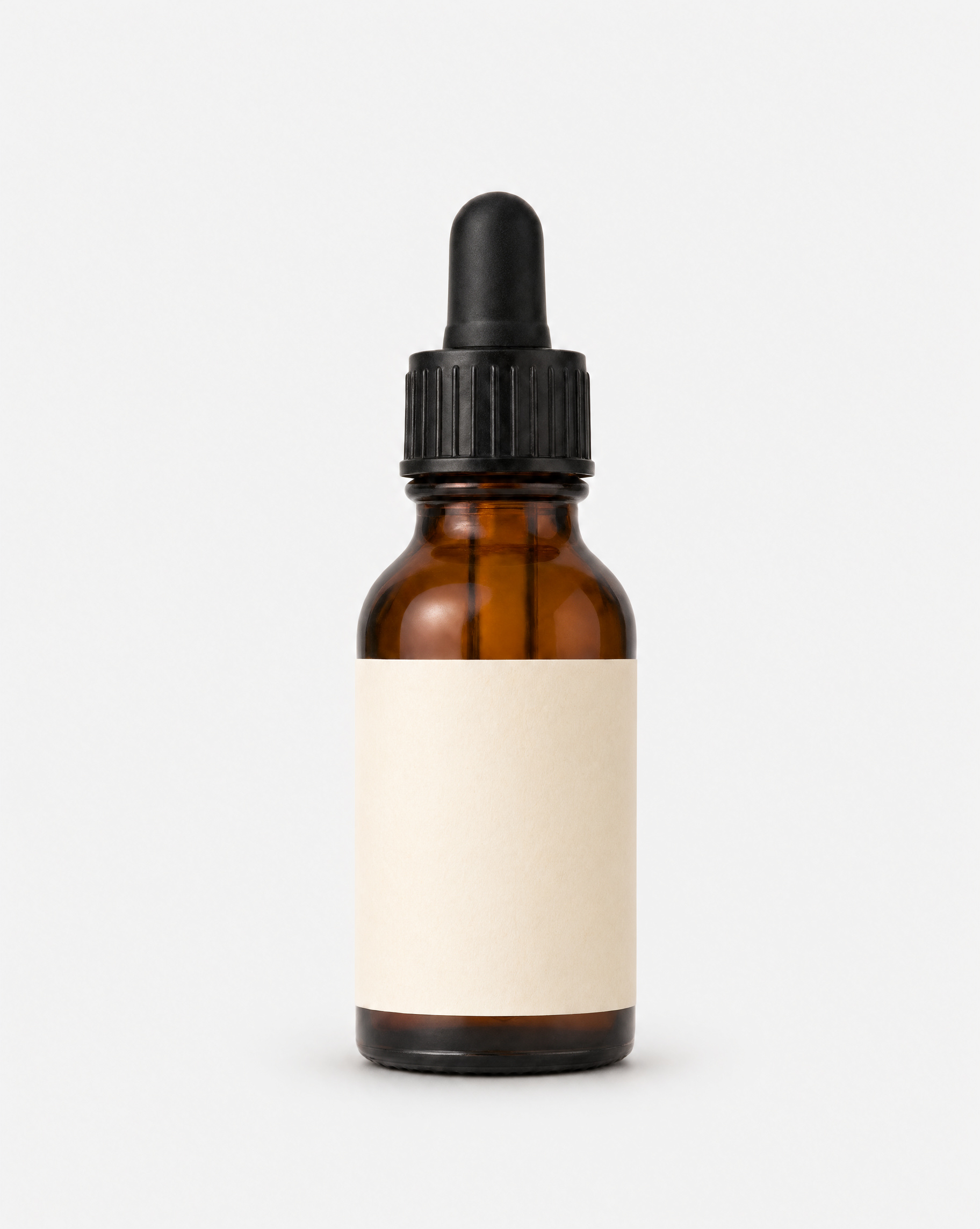
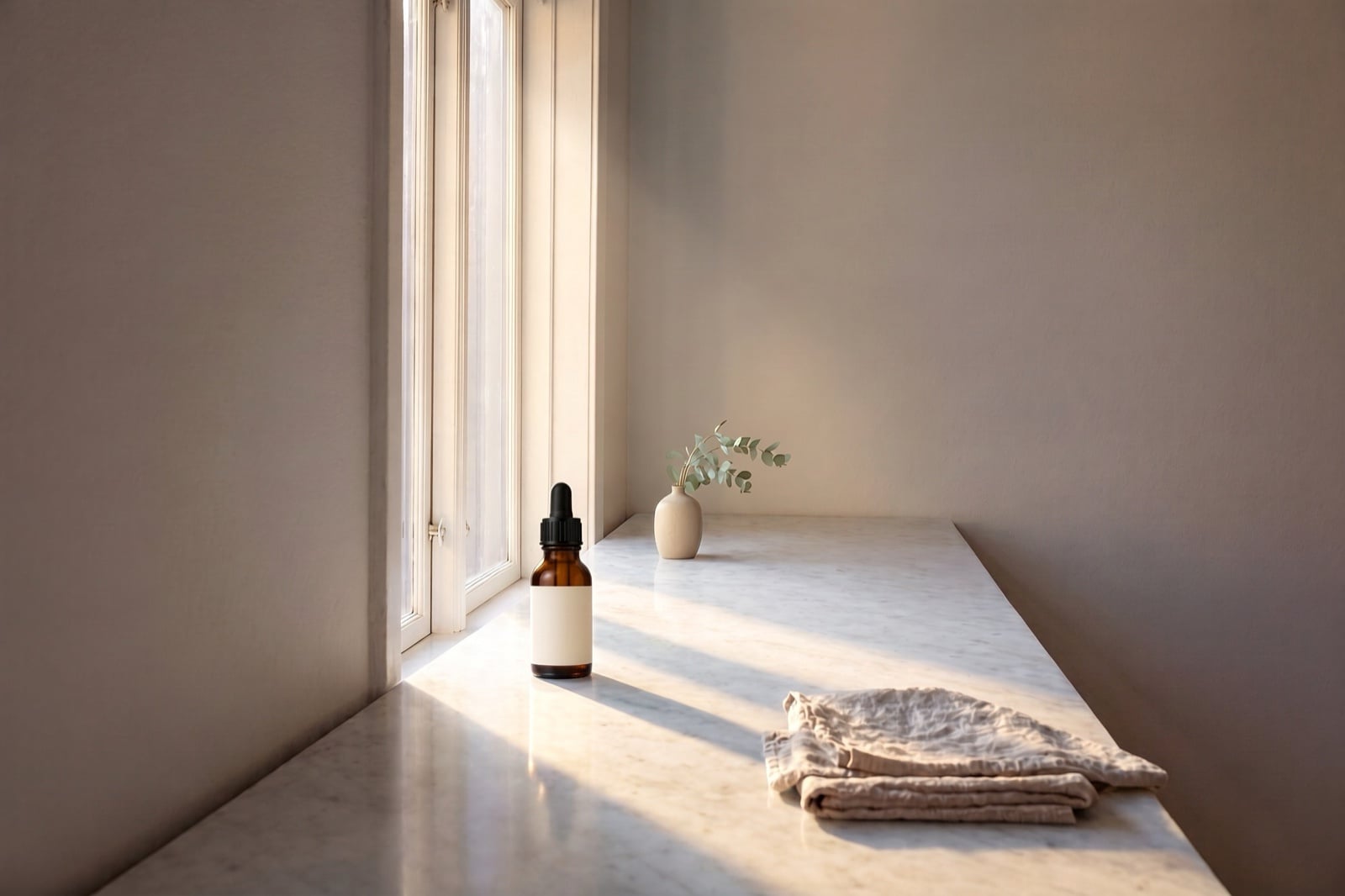
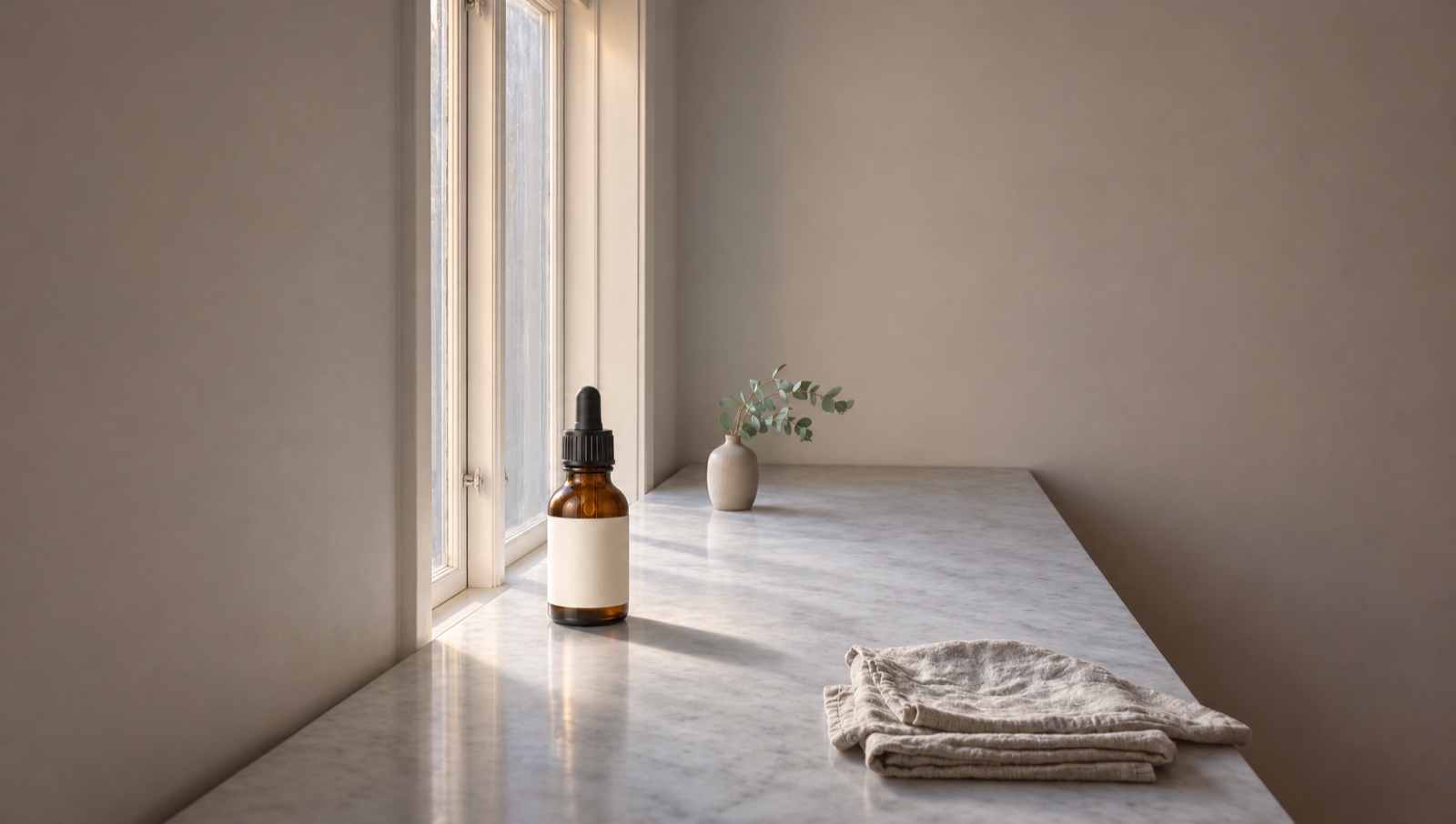
A tie. Both set the bottle on the counter by the window and leave the room alone. GPT Image 2.6 makes the bottle larger. H3 Image adds a warm patch of sun.
Place the serum bottle from the second image on the marble counter in the first image, near the window, keep the morning light and add a soft natural shadow. Keep everything else the same.
Chalkboard menu
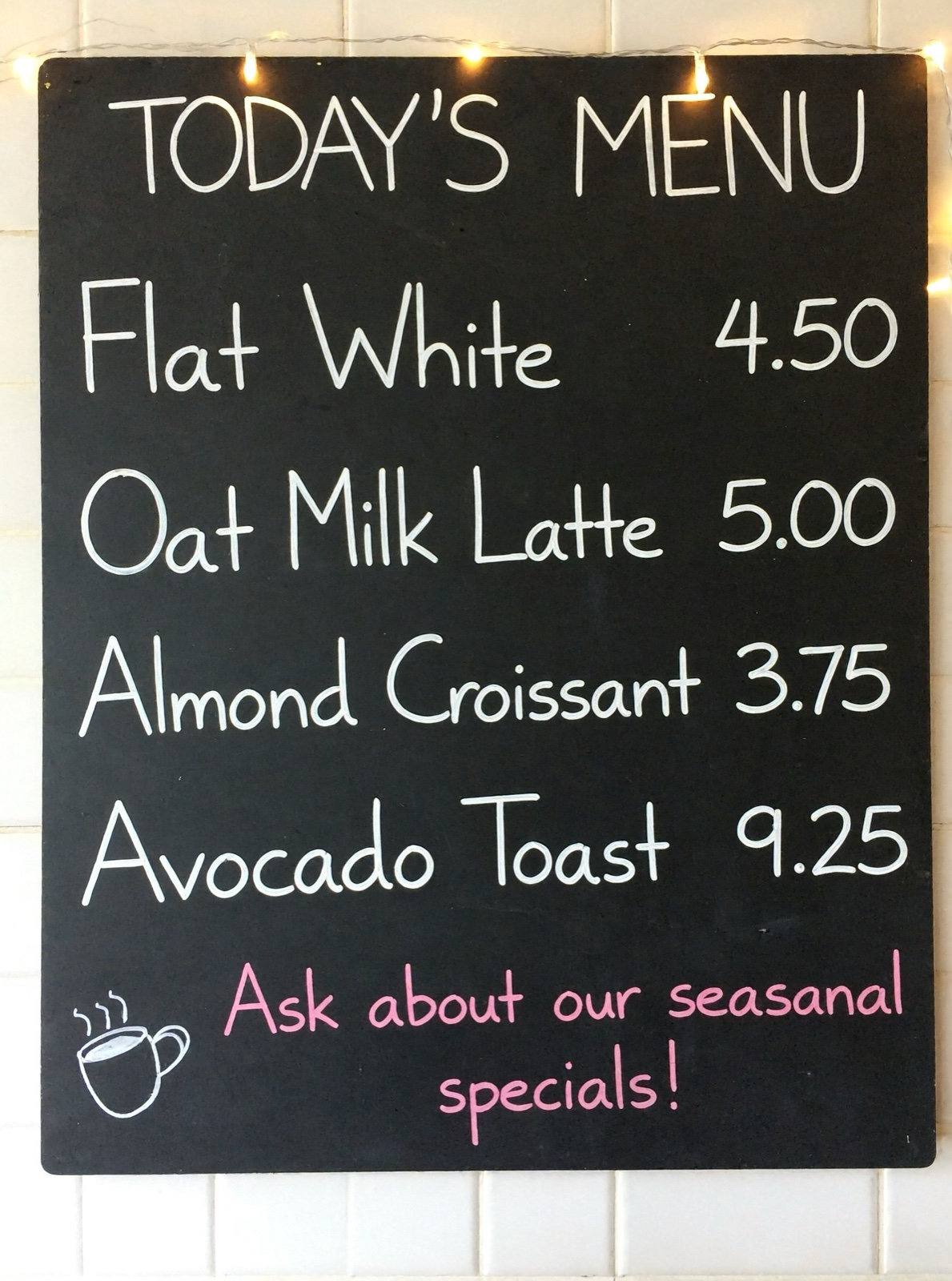
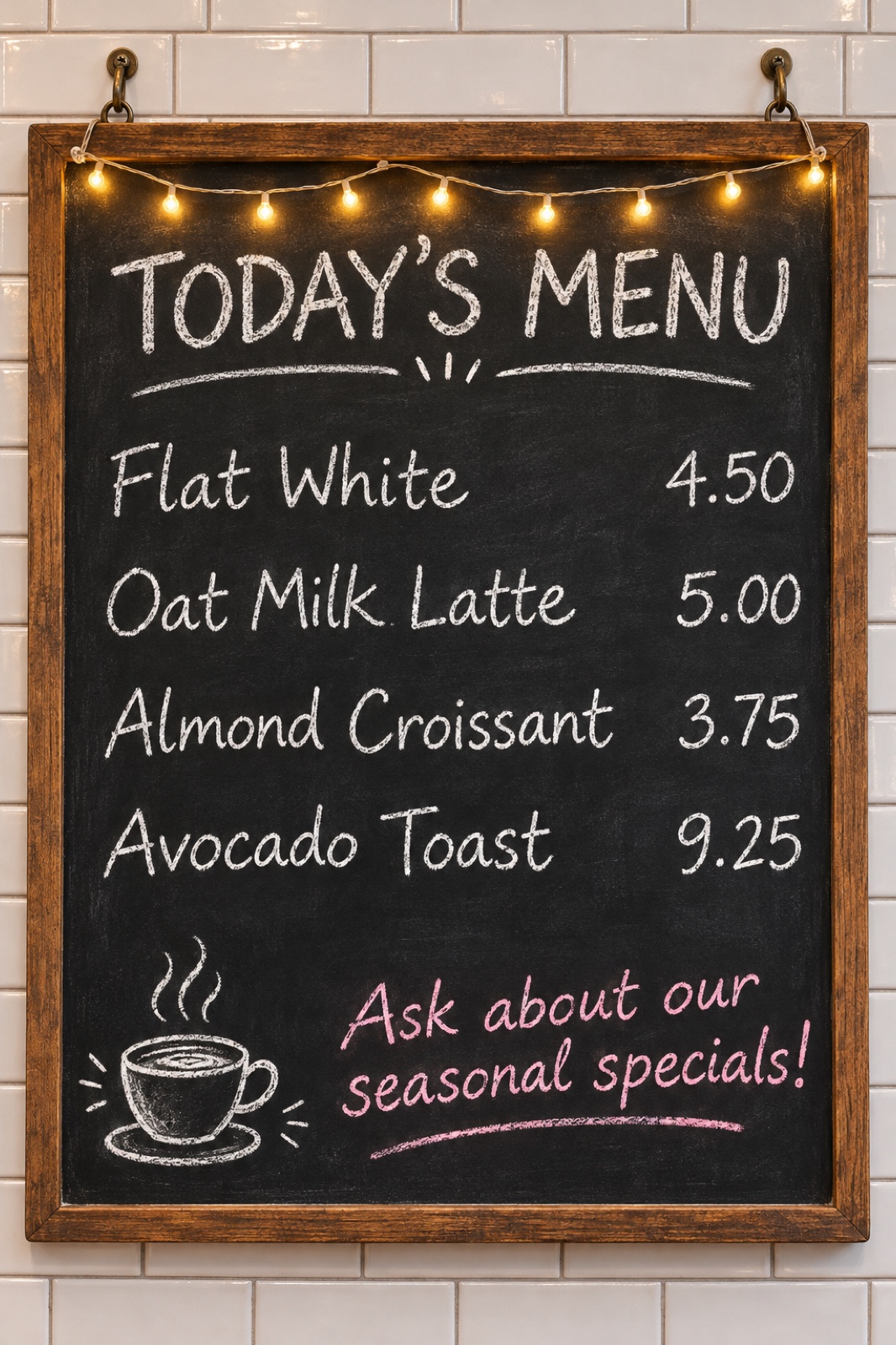
GPT Image 2.6 wins this one. Every item and price is right on both, but H3 Image wrote "seasanal" in the pink line at the bottom.
A chalkboard cafe menu hanging on a white tiled wall, written in neat white chalk handwriting. Title at the top: "TODAY'S MENU". Then four lines, each with a price on the right: "Flat White 4.50", "Oat Milk Latte 5.00", "Almond Croissant 3.75", "Avocado Toast 9.25". At the bottom in pink chalk: "Ask about our seasonal specials!" A small chalk drawing of a steaming coffee cup in the bottom left corner. A string of warm fairy lights along the top of the board.
Infographic
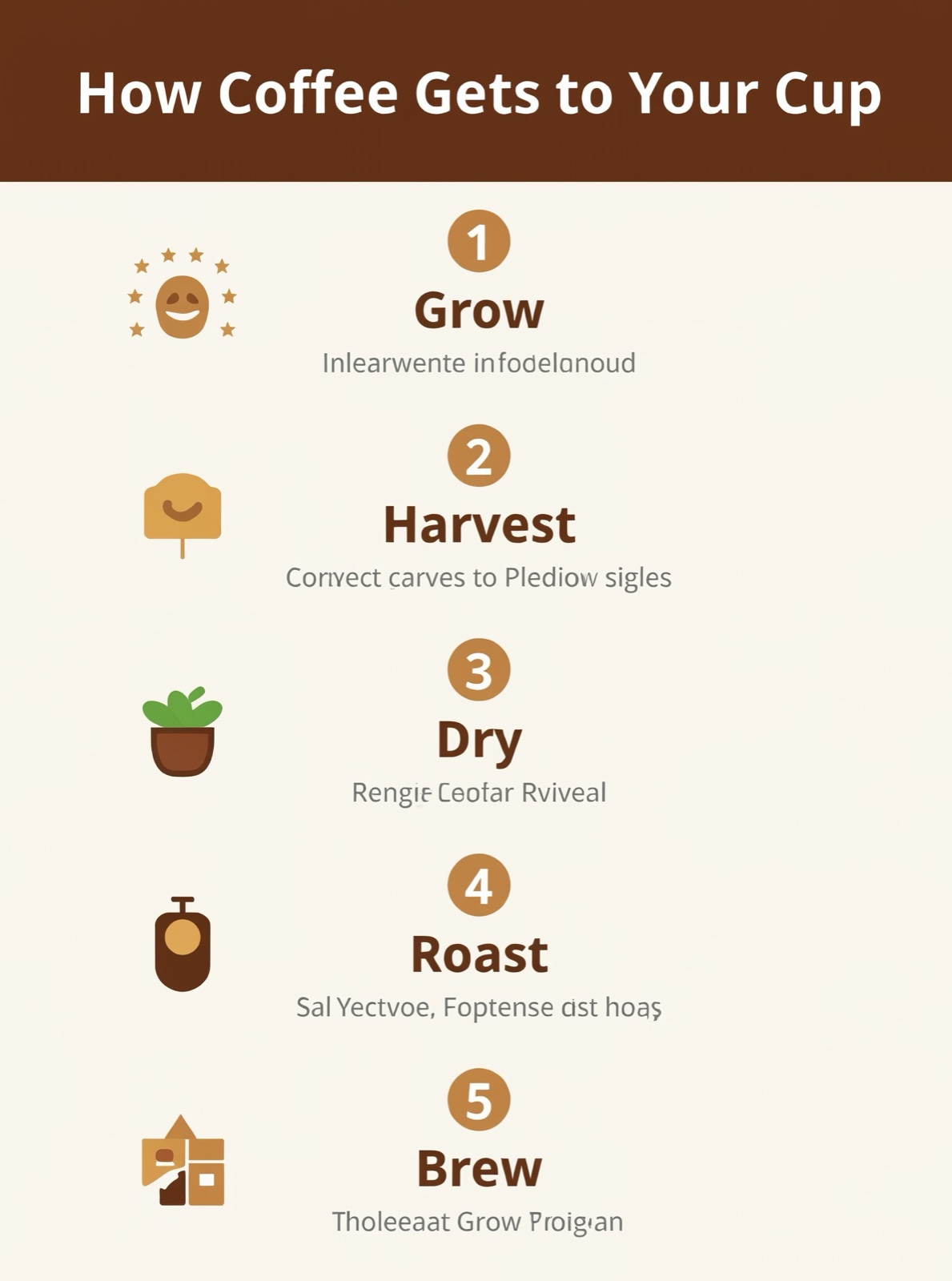
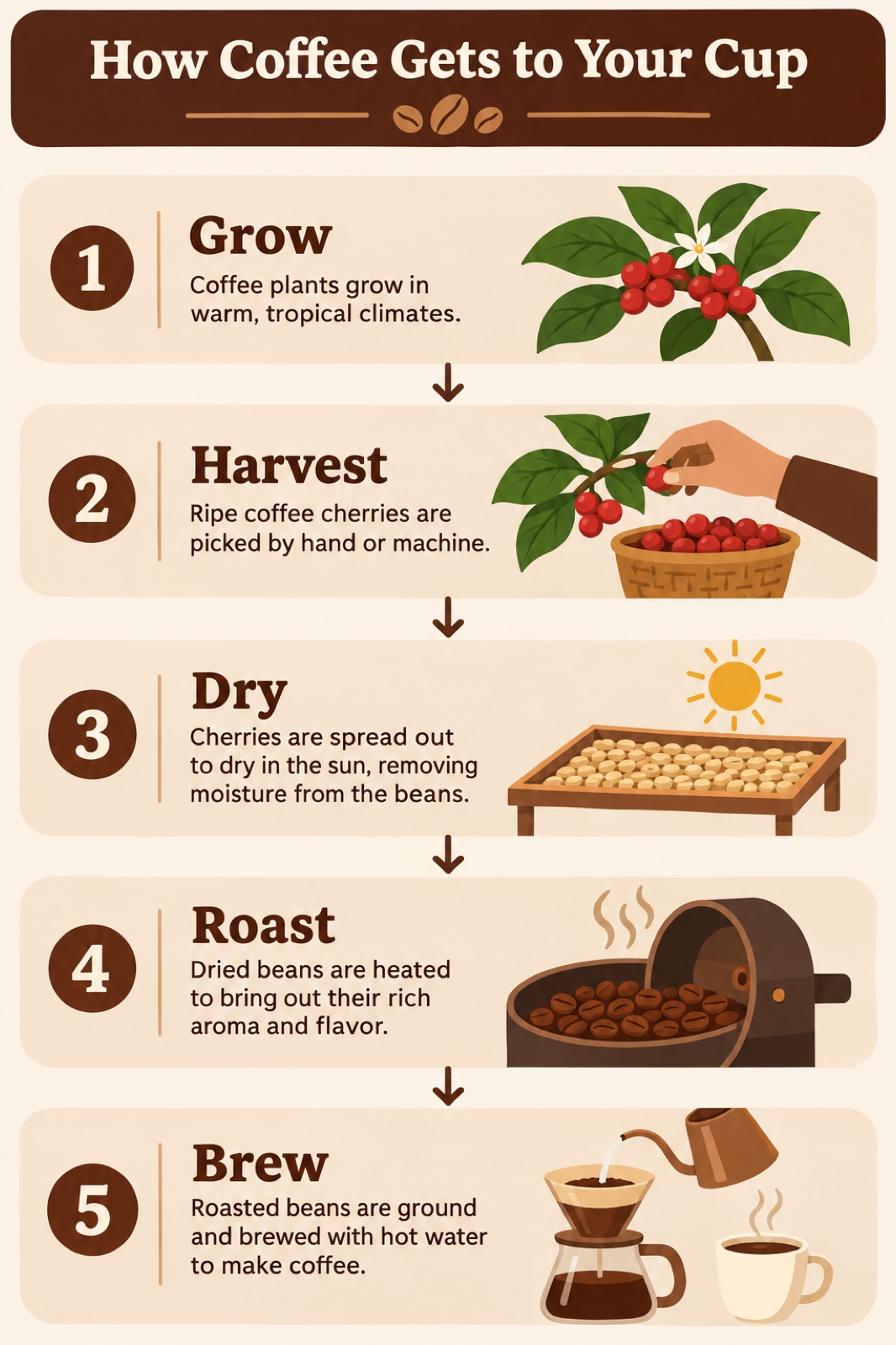
GPT Image 2.6 wins clearly. It wrote a real caption for every step and drew a detailed picture beside each one. H3 Image got the title and the step names, then filled the caption lines with made-up words, because the prompt never said what they should say.
A clean infographic titled "How Coffee Gets to Your Cup" with five numbered steps in a vertical flow: 1 Grow, 2 Harvest, 3 Dry, 4 Roast, 5 Brew, each with a small flat icon and one short line of text, warm brown and cream palette
Run your own test
Both models are on Pixel Dojo. Copy any prompt above and try it on each.