how to train a lora stable diffusion AI Generator
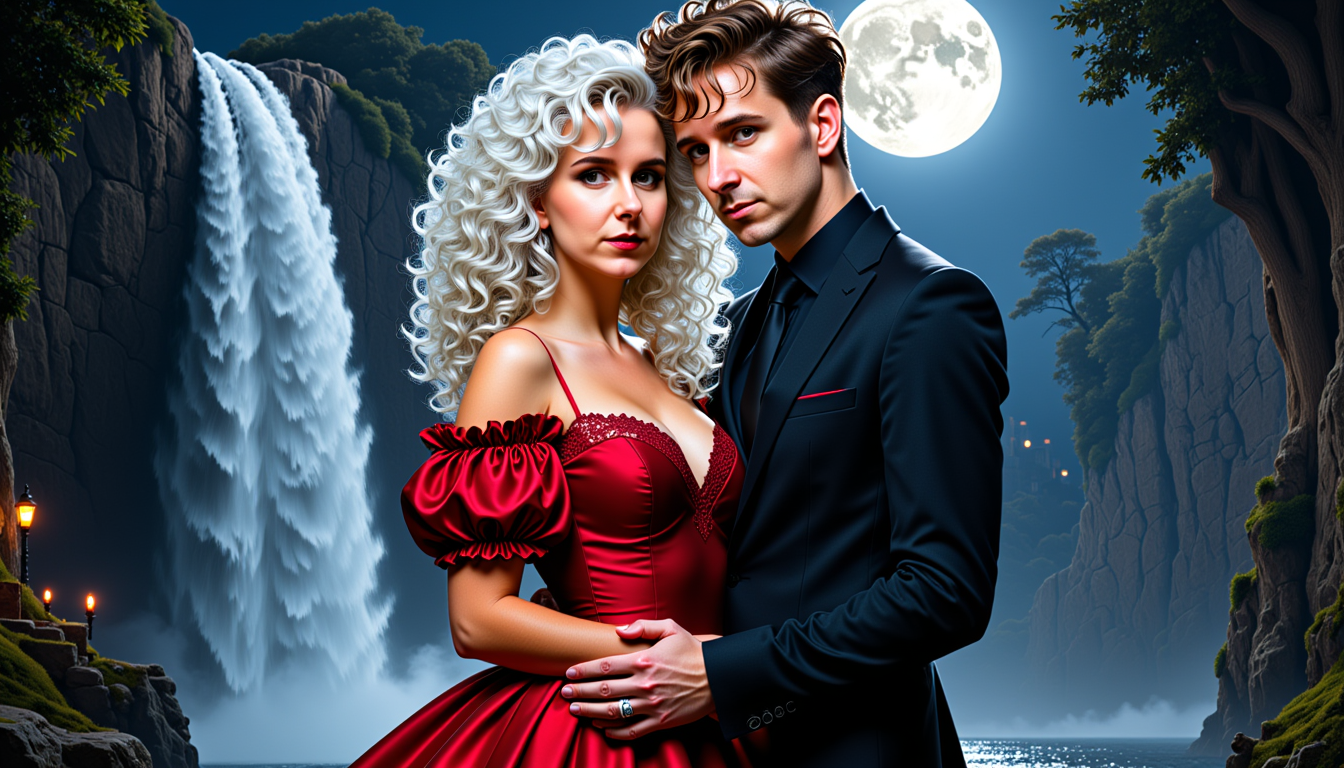
Generated on PixelDojo. Produced by PixelDojo's generation pipeline.
Imagine creating AI-generated images that perfectly align with your unique vision. With PixelDojo's advanced tools, you can train LoRA models in Stable Diffusion to produce images that reflect your desired styles, characters, or concepts. Whether you're an artist aiming to replicate a specific aesthetic or a designer seeking consistent character designs, our platform empowers you to achieve remarkable results effortlessly.
Real image examples generated on PixelDojo
Every example below was produced on PixelDojo. Hover to see the prompt.
MO-LoRa-Pixie
stable-diffusion

MO-LoRa-Pixie
flux

MO-LoRa-Pixie
flux
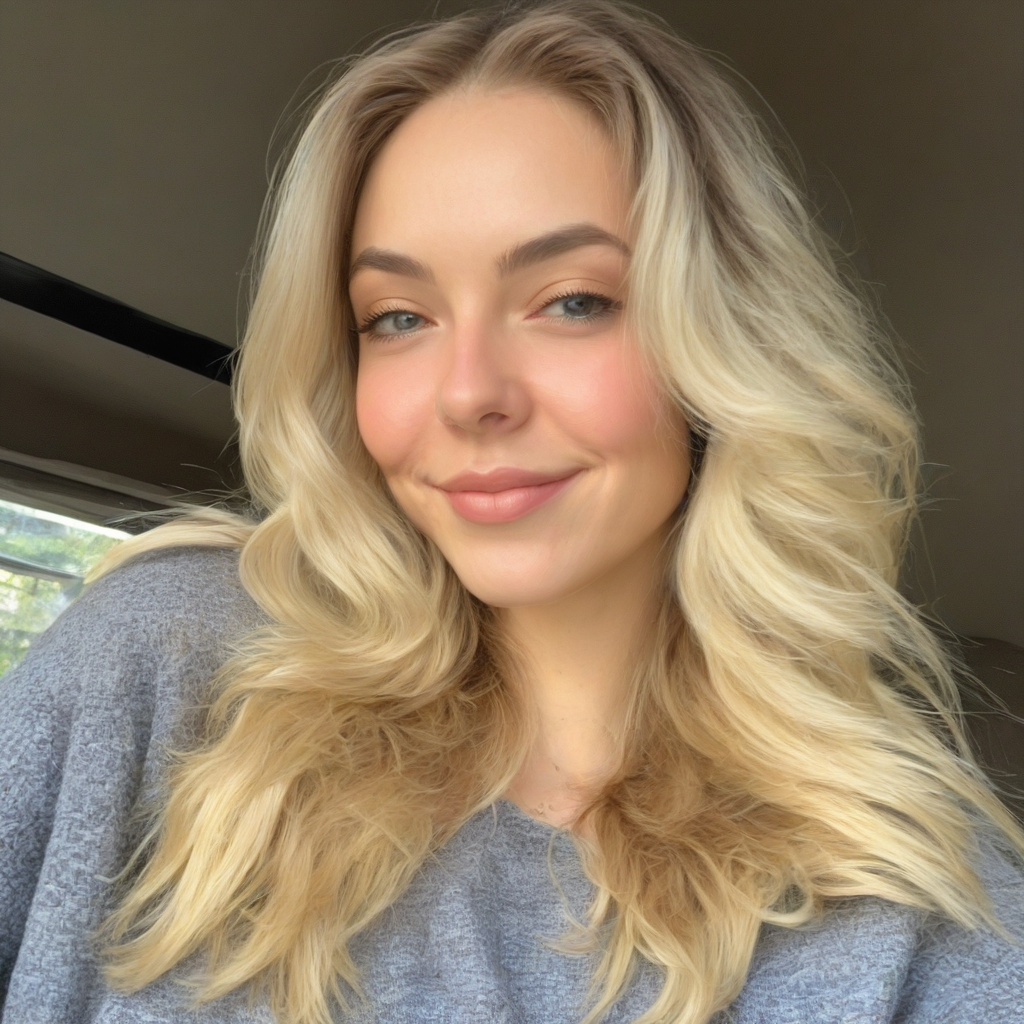
how to train a lora stable diffusion on PixelDojo
stable-diffusion

MO-LoRa-Multi
stable-diffusion
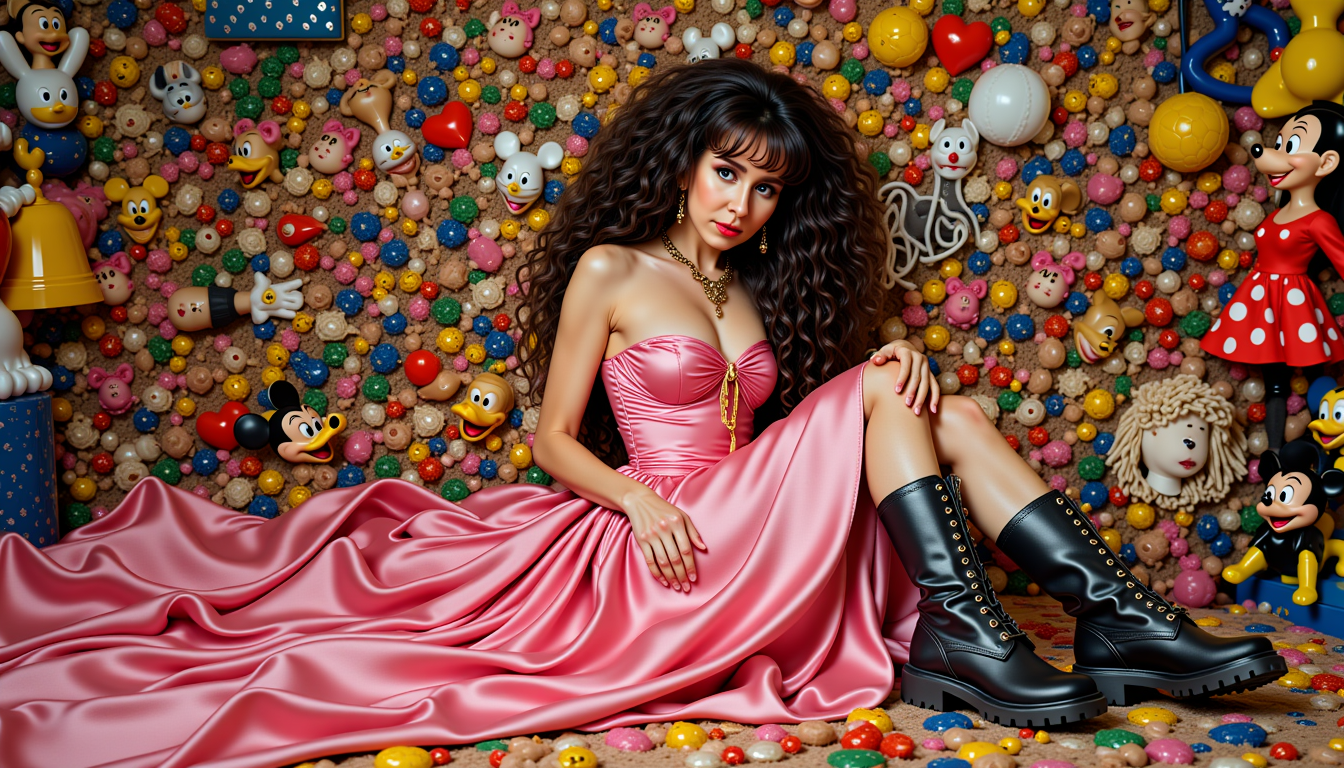
MO-LoRa-Multi
stable-diffusion
Models you can run on PixelDojo for how to train a lora stable diffusion
Switch models without switching tools. Each one runs in the same PixelDojo studio.
What you can do with how to train a lora stable diffusion on PixelDojo
Upload Training Image Sets
We support uploading collections of images to prepare datasets for LoRA training.
Set LoRA Training Options
We enable selection of rank, epochs, and learning rate values before starting a training run.
Run LoRA Training Jobs
We process training requests on Stable Diffusion base models using the provided datasets.
Apply Trained LoRAs in Generation
We allow selection of completed LoRA files when creating new images with Stable Diffusion.
Join over 10,000 creators who have enhanced their AI image generation with PixelDojo's cutting-edge tools, boasting a 4.8/5 satisfaction rating.
Why Choose Pixel Dojo for how to train a lora stable diffusion
Professional-quality results with cutting-edge AI technology
Personalized AI Models
Train AI models to generate images that match your unique style or concept, ensuring your creative vision is realized.
Efficient Training Process
Utilize LoRA's efficient training methods to fine-tune models quickly, even with limited computational resources.
Versatile Applications
Apply trained models across various projects, from character design to style replication, enhancing your creative workflow.
How It Works
Creating personalized AI-generated images with PixelDojo is straightforward. Follow these steps to train your own LoRA model:
Step 1: Gather Training Images
Collect a set of images that represent the style or subject you want the AI to learn. A diverse dataset of 10-20 images is typically sufficient.
Step 2: Use PixelDojo's FLUX Model Trainer
Upload your images to PixelDojo's FLUX Model Trainer. This tool simplifies the training process, allowing you to fine-tune models efficiently.
Step 3: Generate Custom Images
Once training is complete, use your personalized model to generate new images that align with your specified style or subject.
The Pixel Dojo Advantage
Why PixelDojo outperforms other options for Stable Diffusion LoRA training:
| Others | Pixel Dojo |
|---|---|
| Traditional Model Training | PixelDojo's LoRA training requires fewer resources and less time, making it accessible to a broader range of users. |
| Generic AI Tools | Our platform offers specialized tools like the FLUX Model Trainer, designed specifically for efficient LoRA training. |
| Manual Image Editing | Automate the creation of consistent images, saving countless hours compared to manual editing processes. |
Loved by creators on PixelDojo
Real feedback from people using PixelDojo, pulled from our in-product surveys.
Qwen image 2 is amazing!!
Creative freedom, range of tools and options.
I love the training feature
the quality is the best
All the tools needed in one dashboard
Very fair and very broad in tools.
Explore more AI tools on PixelDojo
AI Tools
Compare & Switch
- Best AI Image Generators
- Best AI Video Generators
- Midjourney Alternatives
- Civitai Alternatives
- Runway Alternatives
- Leonardo Alternatives
- Pika Alternatives
- Luma Alternatives
- Magnific Alternatives
- Veo Alternatives
- Flux Alternatives
- Freepik Alternatives
- Seedance Alternatives
- Seedream Alternatives
- Pixverse Alternatives
- GPT Image Alternatives
- Synthesia Alternatives
- Playground Alternatives
- NightCafe Alternatives
- Canva AI Alternatives
- ElevenLabs Alternatives
- ComfyUI Alternatives
- Fal Alternatives
- Replicate Alternatives
Common Questions
Everything you need to know about how to train a lora stable diffusion
What is Stable Diffusion LoRA training?
Stable Diffusion LoRA training is a method that allows you to fine-tune AI models with a smaller set of parameters, enabling efficient customization of image generation models to produce outputs that match specific styles or subjects.
How many images do I need to train a LoRA model?
Typically, 10-20 well-chosen images are sufficient to train a LoRA model effectively. The quality and diversity of the images are more important than the quantity.
Do I need advanced hardware to train a LoRA model?
No, LoRA training is designed to be resource-efficient. With PixelDojo's tools, you can train models using standard hardware without the need for high-end GPUs.
Can I use the trained model for commercial projects?
Yes, models trained using PixelDojo's tools can be used for both personal and commercial projects, allowing you to integrate them into your professional workflow.
How long does it take to train a LoRA model?
Training times can vary, but with PixelDojo's FLUX Model Trainer, you can expect to have a trained model ready in a matter of minutes to a few hours, depending on the complexity of the task.
Is there support available if I encounter issues during training?
Absolutely. PixelDojo offers comprehensive support through our Discord community and detailed documentation to assist you at every step of the process.