MagicLight alternative
MagicLight alternative: animated story characters that stay the same
Pixel Dojo keeps one animated character the same from scene to scene with a single reference, animates each scene with voice and sound on Seedance 2.5 or Kling 3.0, and builds the whole story in Film Studio, with every price shown first.
MagicLight turns stories into long animated videos and promises characters that stay consistent. Consistency is the part that breaks most AI stories, so we tested it head on with an original character: a badger who delivers the village post.
30 credits ($1.88) per 5 s clip at 720p with audio. Included in every plan, from $10/month.
Already a member? Sign in
By Brian Lovett · Updated
Story styles we made on Pixel Dojo
Every clip below was made on Pixel Dojo with the prompt shown, sound included.
Our hero scene: Seedance 2.5 animated the still with his voice, falling leaves and the creak of the mailbox.
He slides the letter into the little round mailbox, taps the lid shut, turns to the camera and says warmly, "Right on time, as always." Autumn leaves drift down around him. Sound: his voice, crunching leaves and a creaky hinge.
A storybook fable shot on Kling 3.0 with a flute melody.
Watercolor storybook animation: a paper lantern shaped like a carp floats up from a riverside festival into a starry sky and swims slowly through the clouds, soft brush textures, warm amber glow, a gentle bamboo flute melody.
Claymation on WAN 3.0 for 10 credits, fingerprints in the clay and all.
Claymation stop motion: a round clay owl barista in a striped apron slides a tiny cup of coffee across a wooden counter to a clay hare, who gulps it and zooms out of frame, visible fingerprints in the clay, cozy cafe set, playful plinks and a whoosh.
A graphic novel action beat on Seedance 2.5 with neon and rain.
Graphic novel animation style: a courier in her thirties in a red jacket leaps between rain soaked rooftops at night and lands in a roll, bold ink outlines, halftone shading, neon signs glowing below, dramatic low angle, rain and a distant siren.
The problem: your hero changes face every scene
An animated story only works if the audience recognizes the hero in every shot. Most text to video models redraw the character each time, so the spectacles vanish, the waistcoat changes color and the face drifts.
MagicLight says its AI keeps characters consistent across a whole story. On Pixel Dojo the method is simple and visible: design the character once, use that image as the reference for every scene, then animate each scene from its still.
One badger, two scenes, one line of dialogue
The character design was the only reference for both scene stills. Each still then became the first frame of a clip. Each tile shows the prompt, settings and credits it used.
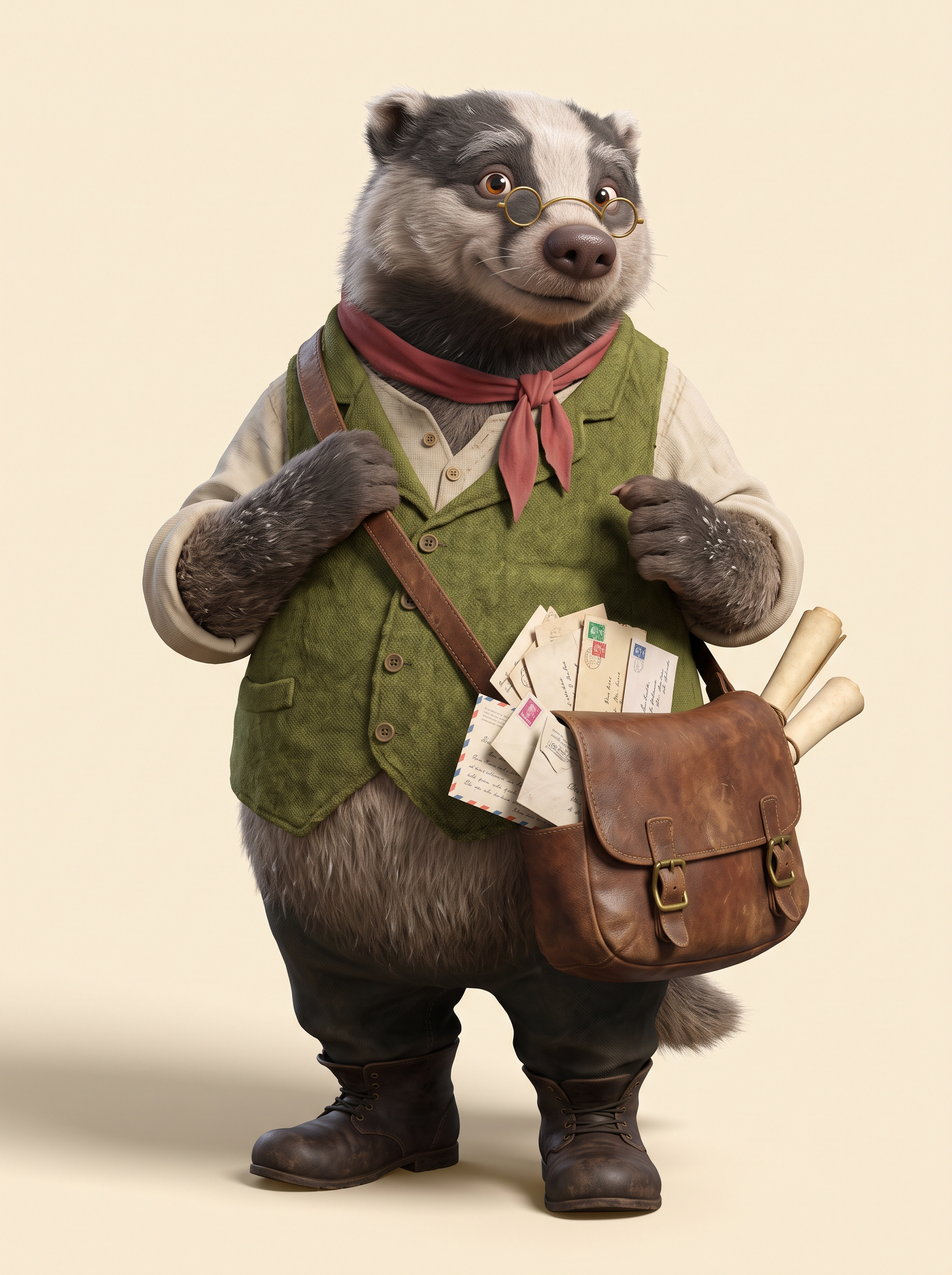
Full body character design in a polished 3D animated feature film style: an elderly badger postmaster with round brass spectacles, a moss green waistcoat, a red neckerchief and a leather satchel stuffed with letters, standing on a plain warm cream background, soft studio lighting, expressive friendly eyes.
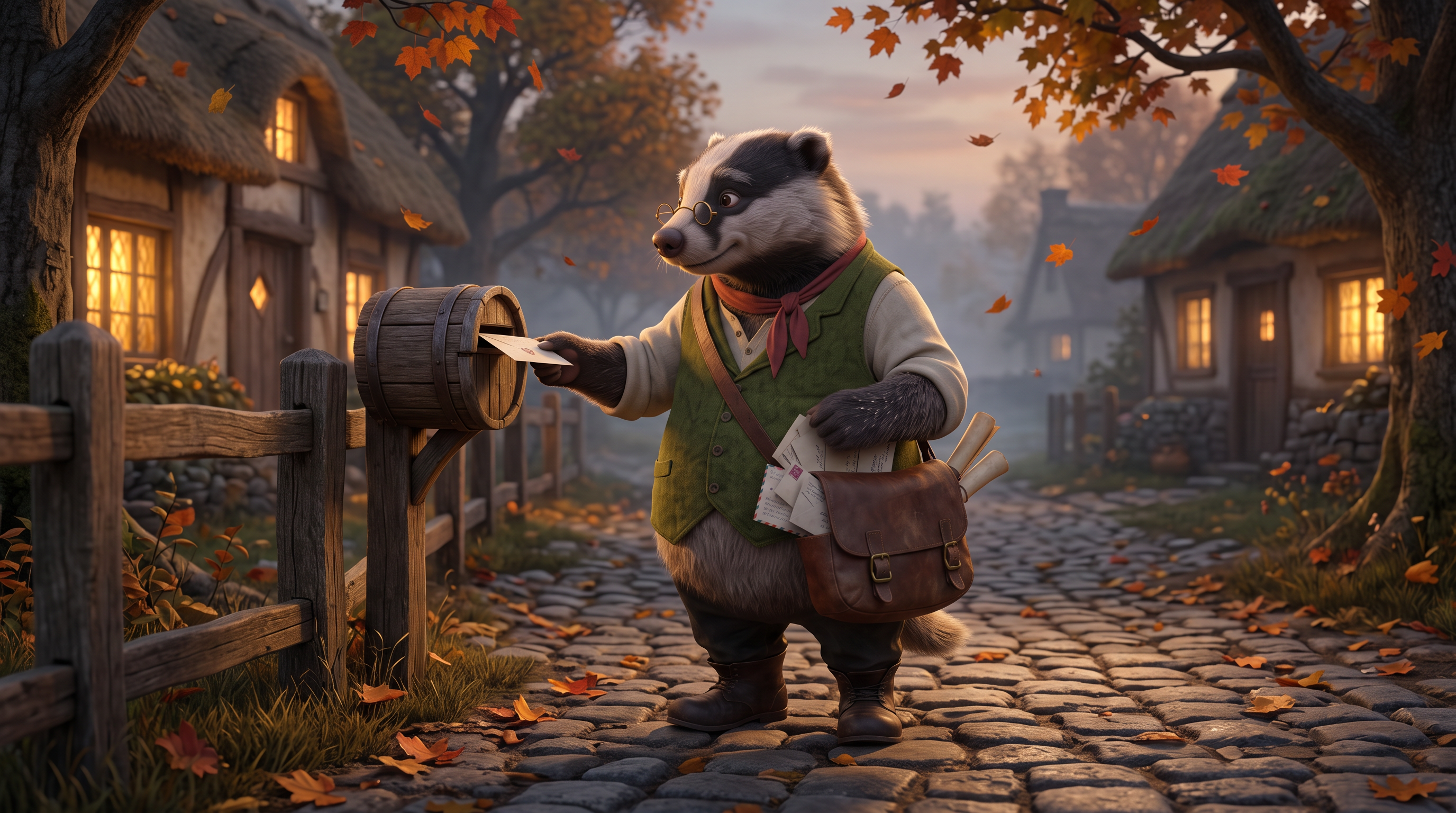
The same badger postmaster from the reference, same brass spectacles, moss green waistcoat, red neckerchief and leather satchel. He stands on a cobbled village lane at autumn dusk, slipping a letter into a small round wooden mailbox on a fence post, glowing cottage windows behind him, falling leaves, 3D animated feature film still.
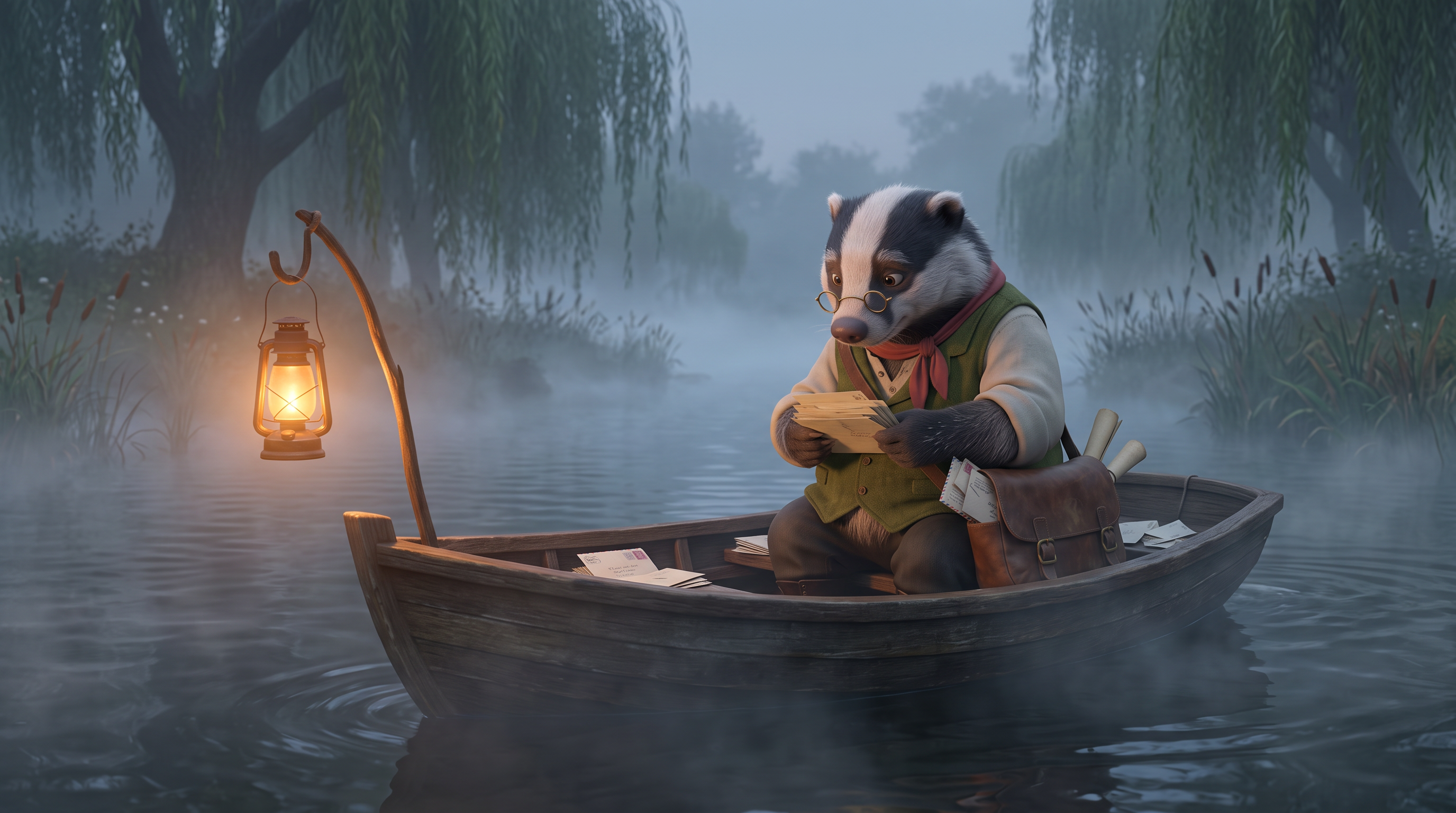
The same badger postmaster from the reference, same brass spectacles, moss green waistcoat, red neckerchief and leather satchel. He sits in a small wooden boat drifting on a misty river at dawn, sorting letters on his lap, a lantern hanging from a pole at the bow, reeds and willow trees, 3D animated feature film still.
He lifts one letter toward the lantern light, smiles and tucks it into his satchel as the boat drifts slowly through the mist, the camera gliding alongside. Sound: gentle water lapping, a creaking boat and distant birds.
- Nano Banana 2.1 kept the waistcoat, neckerchief, satchel and striped face from one design in both scenes, while the place and light changed completely.
- Seedance 2.5 opened on a close up of the mailbox, then cut wide as he walked toward the camera, like an edited sequence in a single 5 second take.
- Kling 3.0 kept him in the boat for a calm, steady shot with the lantern glowing beside him, for 20 credits.
- Each scene still cost 1.5 credits, so we could redo a frame many times before spending on motion.
MagicLight plans vs Pixel Dojo
MagicLight figures come from its pricing, home and terms pages, read on October 15, 2026. MagicLight prices are its yearly billing rates during a sale shown on the page.
| At a glance | MagicLight | Pixel Dojo |
|---|---|---|
| Price | Standard $90, Plus $168, Pro $264, Ultra $540, Ultimate $900 a year | Lite $10 a month for 160 credits, Pro $25 for 500 credits, Pro Max $50 for 1,100 credits |
| Credits | 8,000 a month on Standard up to 280,000 on Ultimate | Every model page shows its credit price before you generate |
| Video length | Videos up to 50 minutes | Film Studio builds a whole film from script, cast and storyboard |
| Models | Seedance 2.5, Kling 3.0, Veo 3, WAN 3.0 and more listed on its site | Pick Seedance 2.5, Kling 3.0, Veo 3.1 or WAN 3.0 per shot |
| Commercial use | General commercial license on paid plans | Commercial use on every plan |
| Refunds | Terms say fees are non-refundable unless the Terms say otherwise | A first purchase can be refunded within 7 days, in full if under 20% of credits are used, pro-rated after that |
Our verdict
If you want to paste a long story and get a finished multi scene video with narration and templates, MagicLight is built for that, and its free start needs no card.
If you want to design the character yourself, choose the engine for every scene, see each price before you make it and still get a whole film in one place, we think Pixel Dojo is the better pick. Character Studio saves the badger so any prompt can call him by name.
What our two scene story cost
Plans are Lite $10 a month for 160 credits, Pro $25 for 500 credits, Pro Max $50 for 1,100 credits. Every plan includes every model and commercial use.
The design and the two scene stills cost 1.5 credits each, the Seedance 2.5 scene 30, the Kling 3.0 scene 20 and the captions 5. Each tile shows its own price.
Under our refund policy, a first purchase can be refunded within 7 days, in full if under 20% of the credits are used and pro-rated after that.
MagicLight questions
What is the best MagicLight alternative?
Pixel Dojo keeps one animated character consistent from a single reference image, animates each scene with voice on Seedance 2.5 or Kling 3.0, and builds full stories in Film Studio, with every credit price shown first.
How much does MagicLight cost?
MagicLight's pricing page lists yearly plans from Standard at $90 a year to Ultimate at $900 a year, with 8,000 to 280,000 credits a month.
Does MagicLight offer refunds?
MagicLight's Terms of Service say all fees are non-refundable unless the Terms provide otherwise.
How long can MagicLight videos be?
MagicLight says it can create complete AI videos up to 50 minutes long.
How do I keep an AI character consistent in every scene?
Design the character once, then use that image as the reference for every new scene still and animate each still. Save it in Character Studio to call it by @name in any prompt.
Video Effects New
No prompt? Try a one-click effect
283 ready-made effects, from AI Hug and Earth Zoom In to product spins and listing walkthroughs. Upload a photo and press Generate. No prompt to write.

Try Pixel Dojo as your MagicLight alternative
Write a prompt above or start from any example on this page. One subscription covers every model on Pixel Dojo.
Start with Seedance 2.5Sources
Facts about MagicLight come from these public pages, checked on Oct 15, 2026. Prices and plans change; check the source before you buy.