tensor art vs civitai
Generated on PixelDojo. Produced by PixelDojo's generation pipeline.
In the rapidly evolving world of AI-generated art, choosing the right platform can significantly impact your creative journey. Two prominent platforms, Tensor Art and Civitai, offer unique features tailored to different user needs. Understanding their distinctions will empower you to make an informed decision that aligns with your artistic goals.
Real image examples generated on PixelDojo
Every example below was produced on PixelDojo. Hover to see the prompt.
tensor art vs civitai on PixelDojo

A photo of JAGMEET
flux

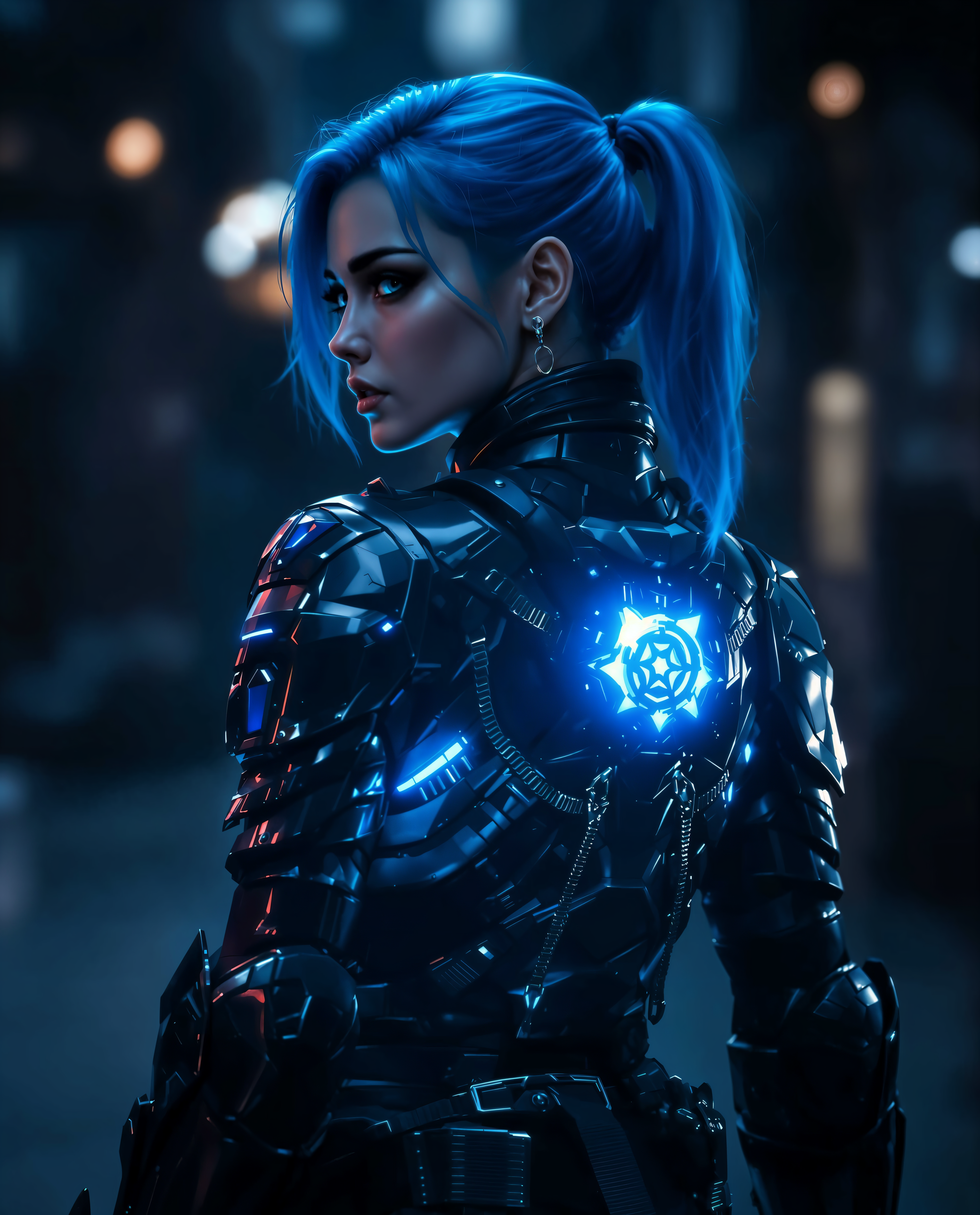
Blend ofpaintings by Clayton Crain and Carne Griffiths and Charlie Bowater
stable-diffusion
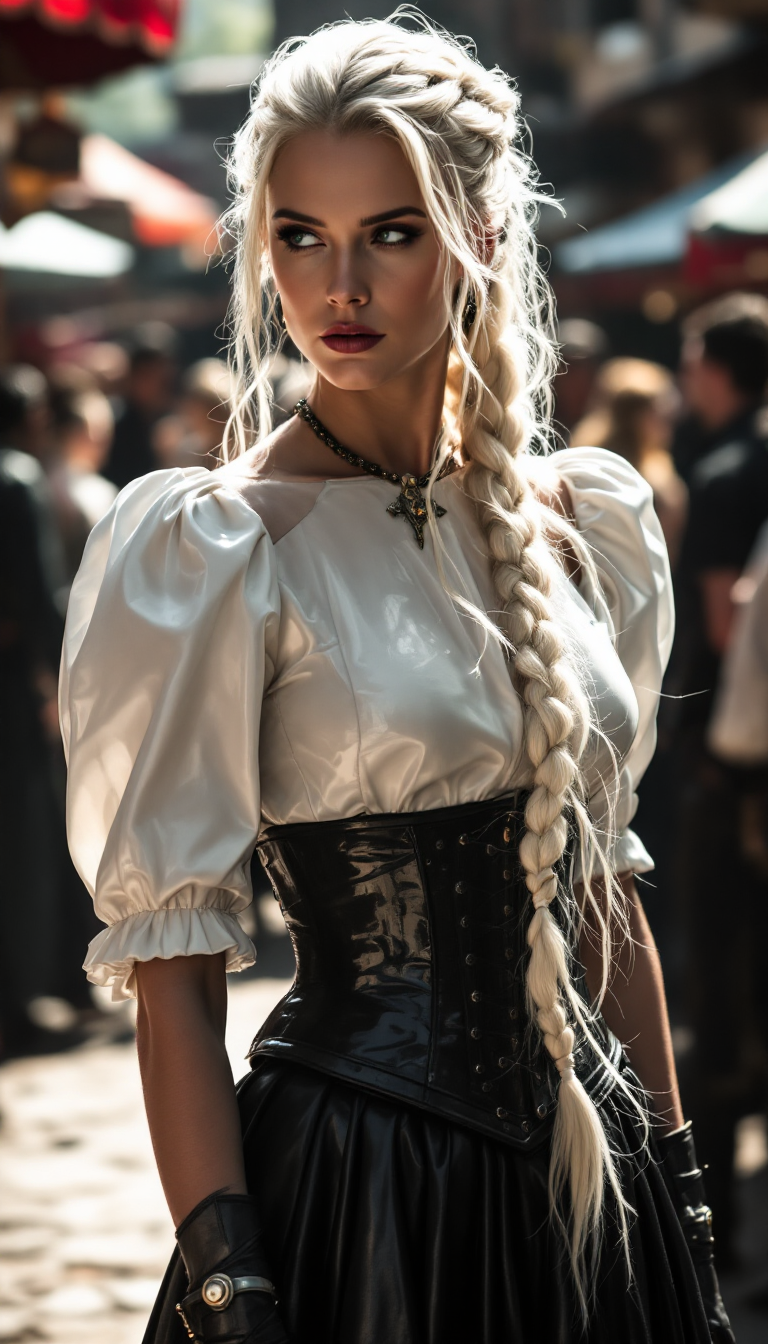
Shiny White latex blouse with puffy sleeves
flux
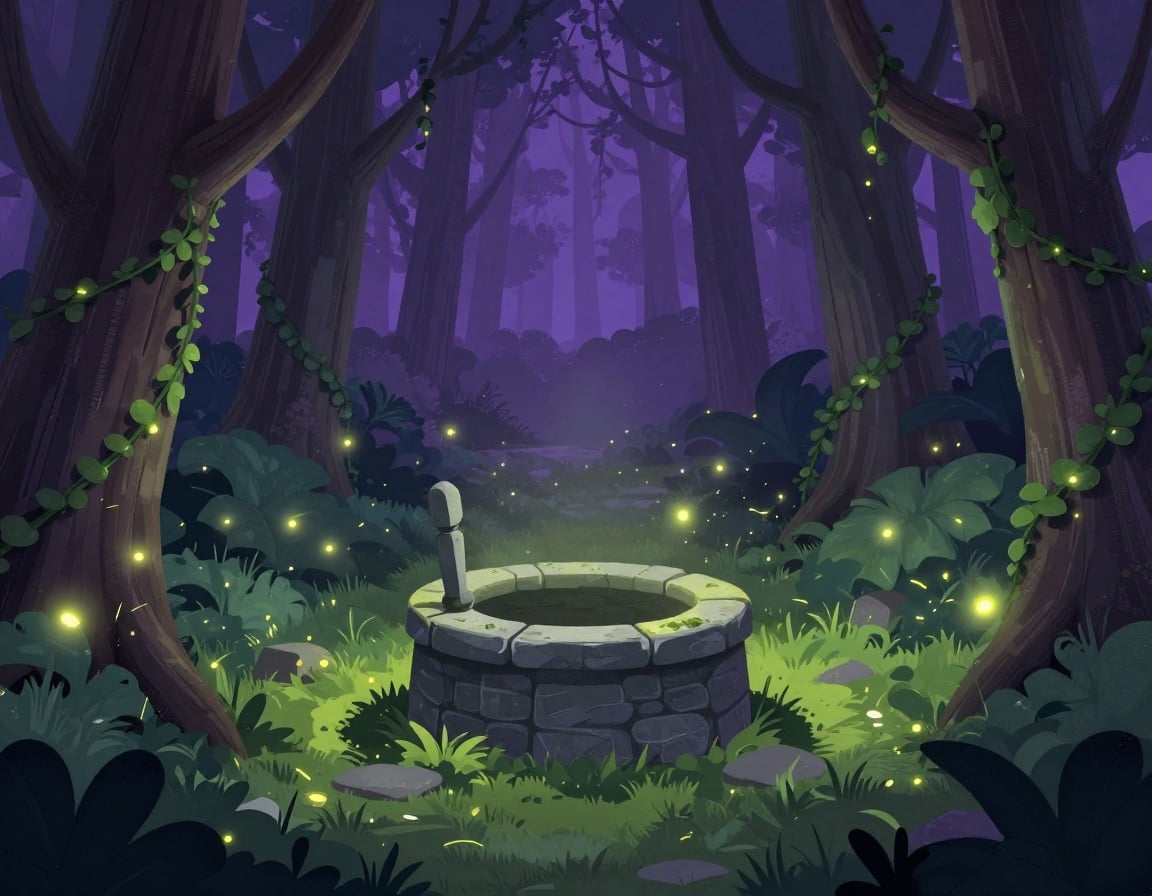
P-stylized
image-to-image

This is a realistic photo
flux
Models you can run on PixelDojo for tensor art vs civitai
Switch models without switching tools. Each one runs in the same PixelDojo studio.
What you can do with tensor art vs civitai on PixelDojo
Side by Side Model Testing
Creators run the same prompt on models from both Tensor Art and Civitai. We display results together for direct visual review.
Cross Source Model Access
Users load models from either service into a single workspace. We keep generation parameters consistent across sources.
Batch Generation Across Models
Creators queue multiple images using models from both platforms at once. We manage the task list and output organization.
Prompt Transfer Between Services
Users move tested prompts from one platform to the other without reformatting. We retain variables and structure during the move.
Join a community of over 3 million creators who have embraced AI art platforms to revolutionize their creative processes.
Why Choose Pixel Dojo for tensor art vs civitai
Professional-quality results with cutting-edge AI technology
Extensive Model Libraries
Access a vast array of AI models to diversify and enhance your artistic creations.
User-Friendly Interfaces
Navigate intuitive platforms designed to streamline your AI art generation experience.
Community Engagement
Collaborate and share insights with a vibrant community of AI art enthusiasts.
How It Works
Creating AI-generated art is a straightforward process with these platforms. Here's how you can get started:
Step 1: Select Your Platform
Choose between Tensor Art and Civitai based on your specific needs and preferences.
Step 2: Explore Available Models
Browse through the extensive libraries to find models that resonate with your artistic vision.
Step 3: Generate and Customize
Input your prompts, adjust settings, and generate unique AI art pieces.
The Pixel Dojo Advantage
Understanding the differences between Tensor Art and Civitai will help you select the platform that aligns with your creative objectives.
| Others | Pixel Dojo |
|---|---|
| Tensor Art | Offers a variety of Stable Diffusion model checkpoints and LoRAs, with up to 100 free image generations per day. Features include image remixing and cloud-based model execution with comprehensive settings like VAEs and negative prompts. |
| Civitai | Provides a marketplace for sharing and downloading AI models, supporting various AI models including Stable Diffusion and Flux. Users can showcase and monetize their AI-generated content, with profile pages and community engagement features. |
Loved by creators on PixelDojo
Real feedback from people using PixelDojo, pulled from our in-product surveys.
ease of use, variety of tools, high quality trainings, and a well-maintained discord channel
Ease of use, friendliness and support of the owner, continued innovation.
it is an amazing site to create a pics and vids for those who don't have the hardware themselves
good tools in one place
Prompt updates, strong features, and a community that is always willing to help and hear/act on professional feedback. I've never had a better experience.
user friendly all in one thing
Explore more AI tools on PixelDojo
Popular AI Models
AI Tools
Compare & Switch
- Best AI Image Generators
- Best AI Video Generators
- Midjourney Alternatives
- Civitai Alternatives
- Runway Alternatives
- Leonardo Alternatives
- Pika Alternatives
- Luma Alternatives
- Magnific Alternatives
- Veo Alternatives
- Flux Alternatives
- Freepik Alternatives
- Seedance Alternatives
- Seedream Alternatives
- Pixverse Alternatives
- GPT Image Alternatives
- Synthesia Alternatives
- Playground Alternatives
- NightCafe Alternatives
- Canva AI Alternatives
- ElevenLabs Alternatives
- ComfyUI Alternatives
- Fal Alternatives
- Replicate Alternatives
Common Questions
Everything you need to know about tensor art vs civitai
What are the main differences between Tensor Art and Civitai?
Tensor Art focuses on hosting Stable Diffusion model checkpoints and LoRAs, offering features like image remixing and cloud-based model execution. Civitai serves as a marketplace for sharing and downloading various AI models, supporting multiple AI frameworks and providing monetization opportunities for creators.
Can I use both Tensor Art and Civitai for my projects?
Yes, many creators utilize both platforms to leverage their unique features and expand their creative possibilities.
Are there any costs associated with using these platforms?
Both platforms offer free access with certain limitations. Tensor Art provides up to 100 free image generations per day, while Civitai offers free model downloads. Additional features or higher usage may require subscription plans or purchases.
How do I choose the right platform for my needs?
Consider your specific requirements, such as the types of models you wish to use, desired features, and community engagement. Exploring both platforms can help you determine which aligns best with your creative goals.
Is there a community or support available on these platforms?
Yes, both platforms have active communities where users can share insights, seek assistance, and collaborate on projects.
Can I monetize my AI-generated art on these platforms?
Civitai provides opportunities for creators to showcase and monetize their AI-generated content. Tensor Art focuses more on model hosting and generation features, with less emphasis on monetization.