Stability AI alternative
Stability AI alternative for open model families without the GPU
Pixel Dojo hosts Flux 2 Dev, Qwen Image 2.1, Z-Image Turbo and FLUX 3 next to the top video models, shows each credit price before you click, and trains LoRAs on the FLUX, Qwen and Z-Image families.
Stability AI made open image models mainstream. We wanted to see what the hosted route looks like today, so we ran one ceramic product shot on four models and then animated the one that read the brief best.
27.5 credits ($1.72) per 5 s clip with audio. Included in every plan, from $10/month.
Already a member? Sign in
By Brian Lovett · Updated
What developers and designers make here next
We made each image and clip below on Pixel Dojo with the prompt shown.
Kling 3.0 animated the Flux 2 Dev still: the lid comes up in one piece and the scales stay put, with a soft clink in the sound.
A hand reaches in, lifts the pangolin shaped lid off the celadon dish to reveal a block of pale butter, and sets the lid down beside it. Slow push-in, soft window light, the linen cloth stays still. Sound: a soft ceramic clink and quiet room tone.

A game asset on Z-Image Turbo for 0.25 credits, ready to cut out.
Isometric game asset of a carved oak treasure chest bound with green verdigris copper bands, lid half open with a soft gold glow inside, centered on a plain off white background, clean hand painted texture, soft top light.
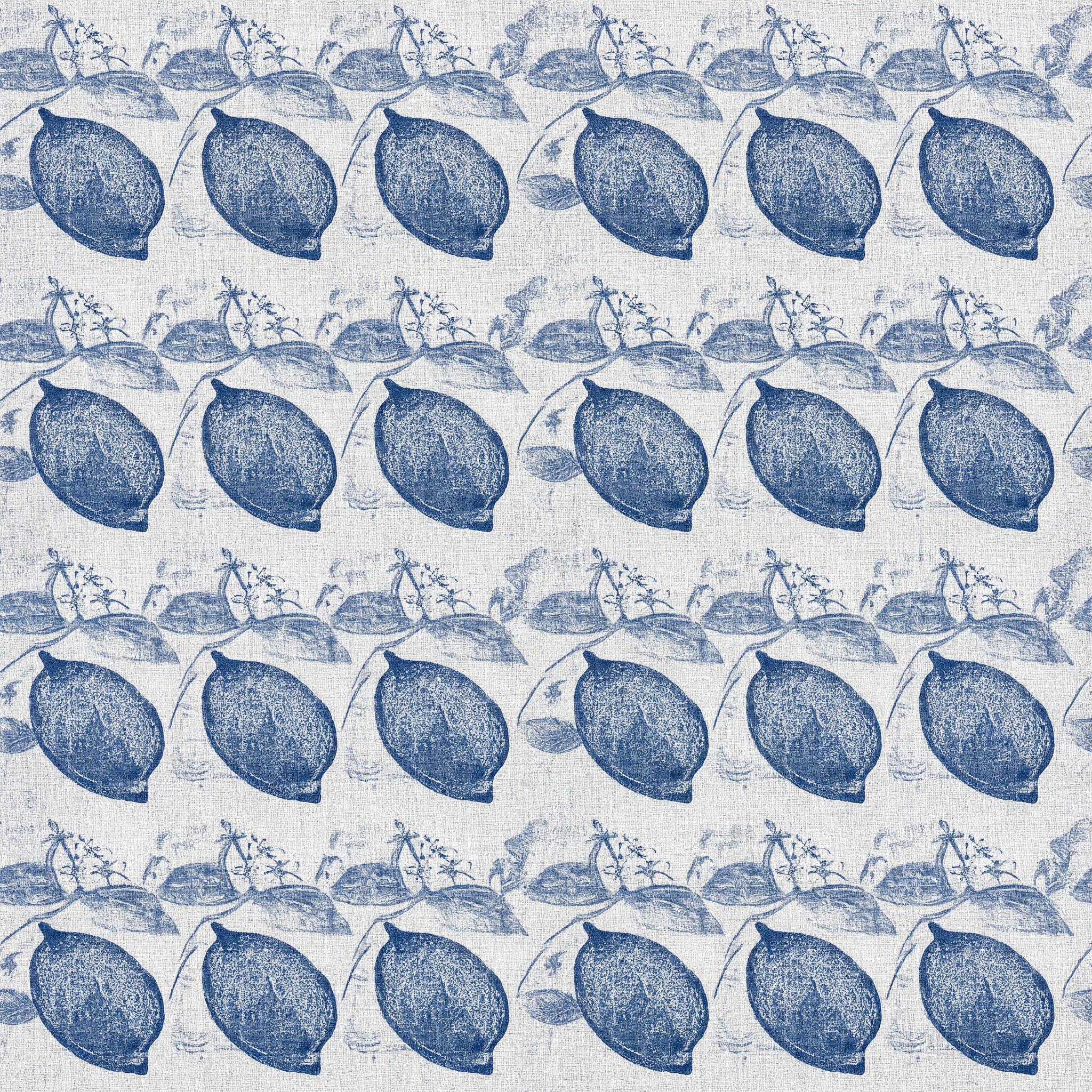
A textile repeat on Qwen Image 2.1 with the uneven ink of a hand carved stamp.
Seamless repeating textile pattern of indigo lemons, leaves and small white blossoms in a hand carved stamp style on unbleached cotton, slightly uneven ink, flat front view, even light.
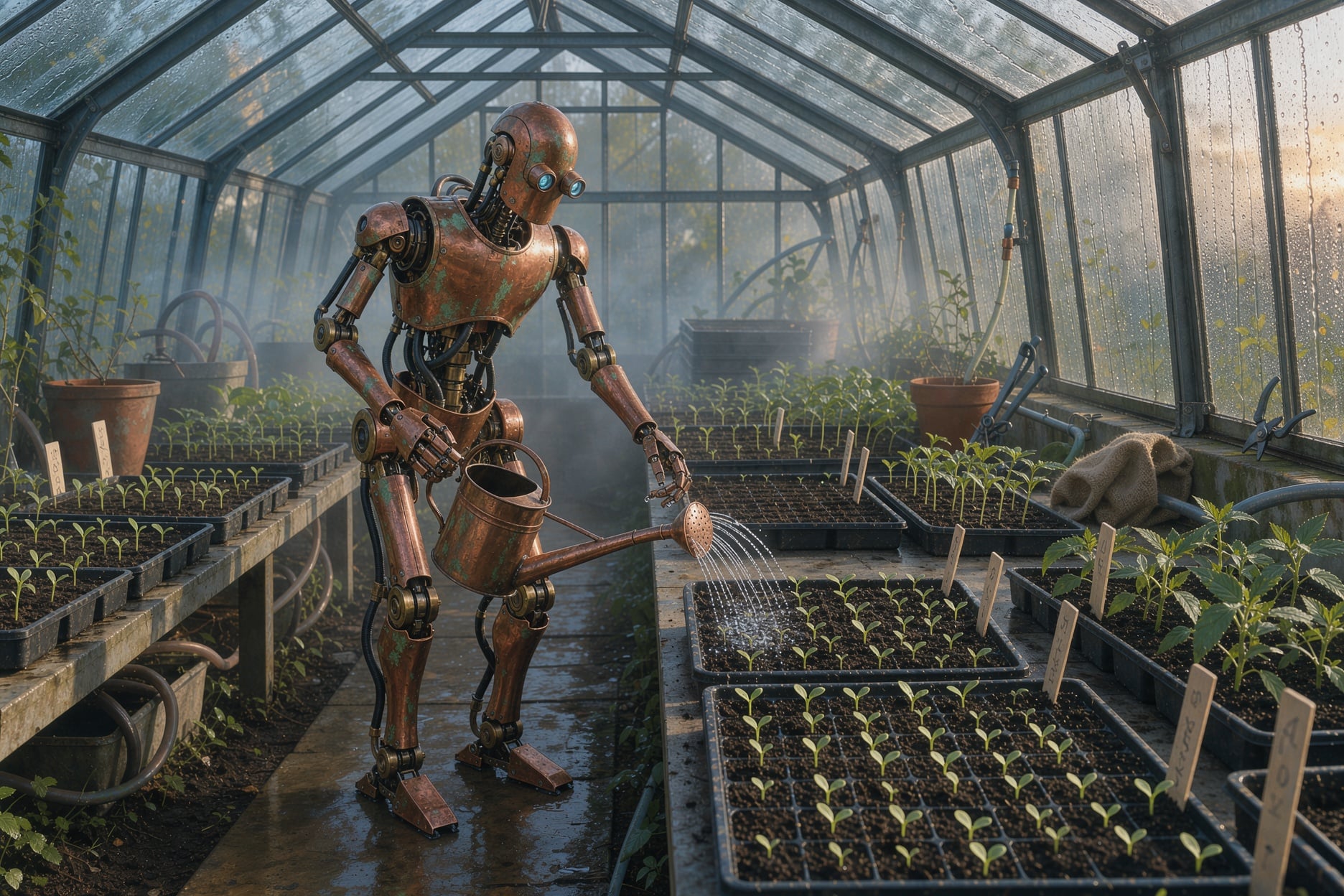
Concept art on FLUX 3 Image with soft light through the panes.
Concept art of a slender copper gardening robot watering seedlings in a misty glass greenhouse at dawn, rows of trays, condensation on the panes, soft volumetric light, painterly realism.
The usual advice: download the weights and run them yourself
Stability AI's license page says its Community License is free for creators, developers and businesses with under $1M in annual revenue, and covers models like the Stable Diffusion 3.5 suite. Self hosting is the classic answer for anyone who wants control.
We think that advice has aged. Running weights well means a GPU, a pipeline and updates every time a better model ships, and the best open families now come from several labs, not one.
So we tested the other route: the open model families hosted for you, one brief at a time, with LoRA training when a project needs your own style or product.
One ceramic product shot, four hosted models
The same pangolin butter dish prompt on Flux 2 Dev, Qwen Image 2.1, Z-Image Turbo and FLUX 3 Image at 4:3. Each tile shows its settings and credits.
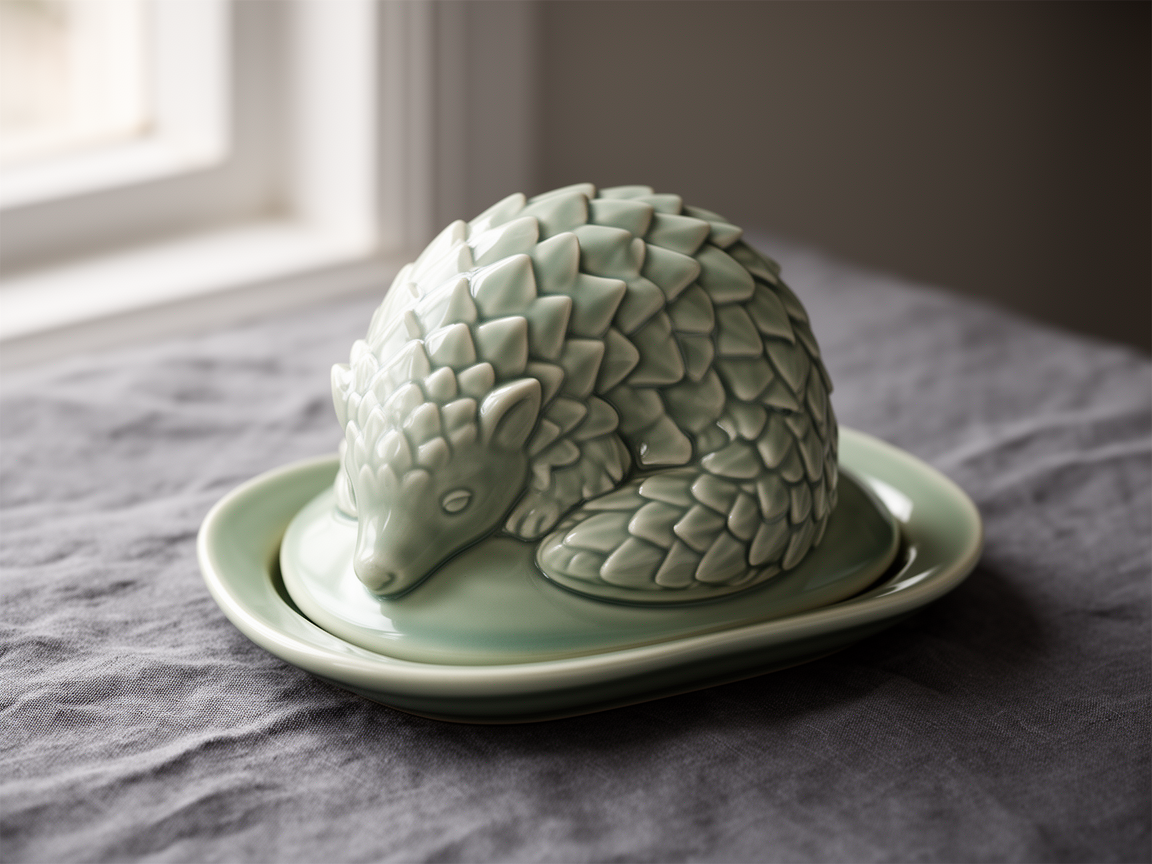
Studio product photograph of a glazed celadon stoneware butter dish whose lid is sculpted as a curled, sleeping pangolin, every scale crisp, resting on a slate grey linen cloth, soft window light from the left, gentle highlights on the glaze, 85mm lens, shallow depth of field.
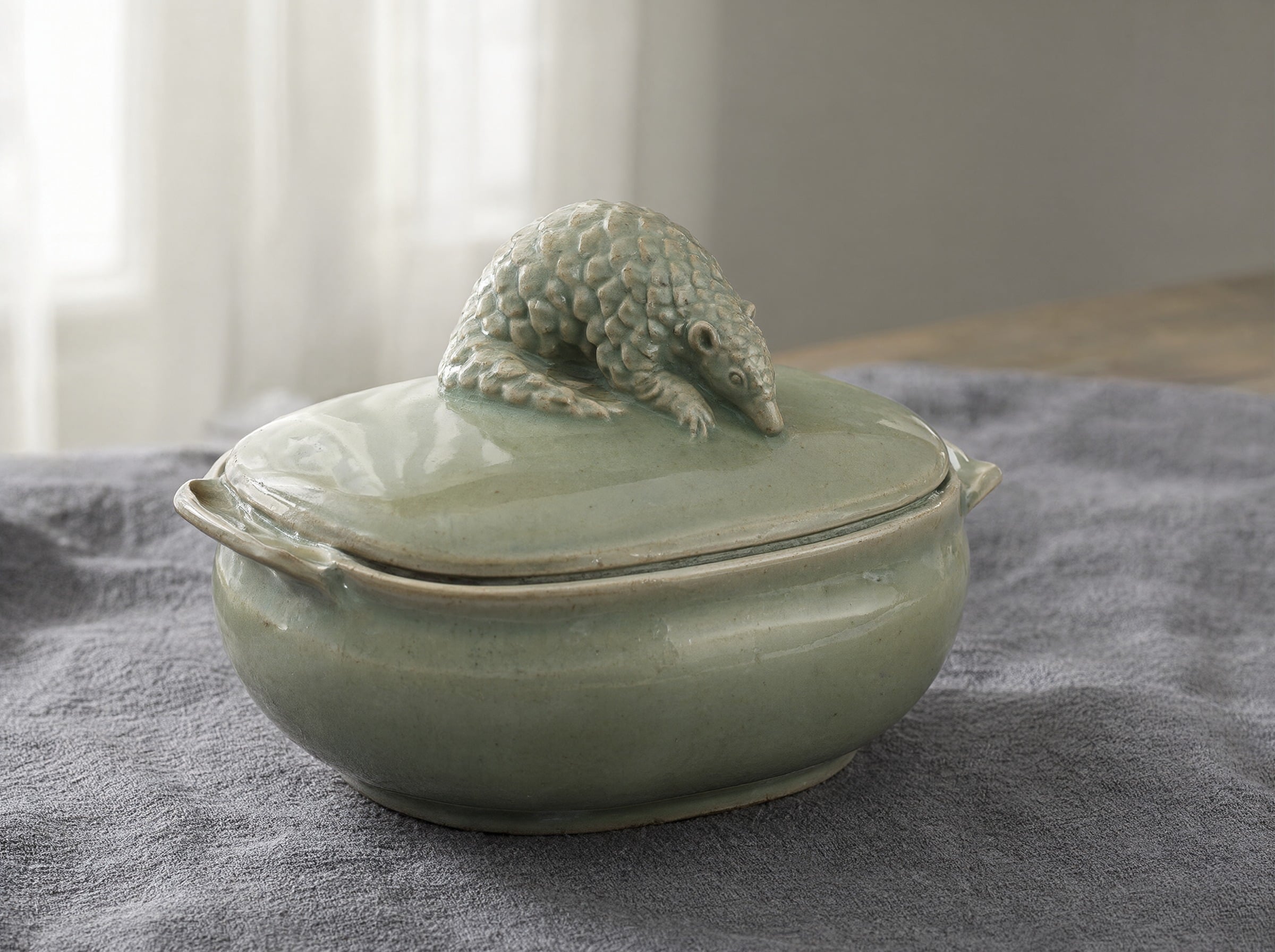
Studio product photograph of a glazed celadon stoneware butter dish whose lid is sculpted as a curled, sleeping pangolin, every scale crisp, resting on a slate grey linen cloth, soft window light from the left, gentle highlights on the glaze, 85mm lens, shallow depth of field.
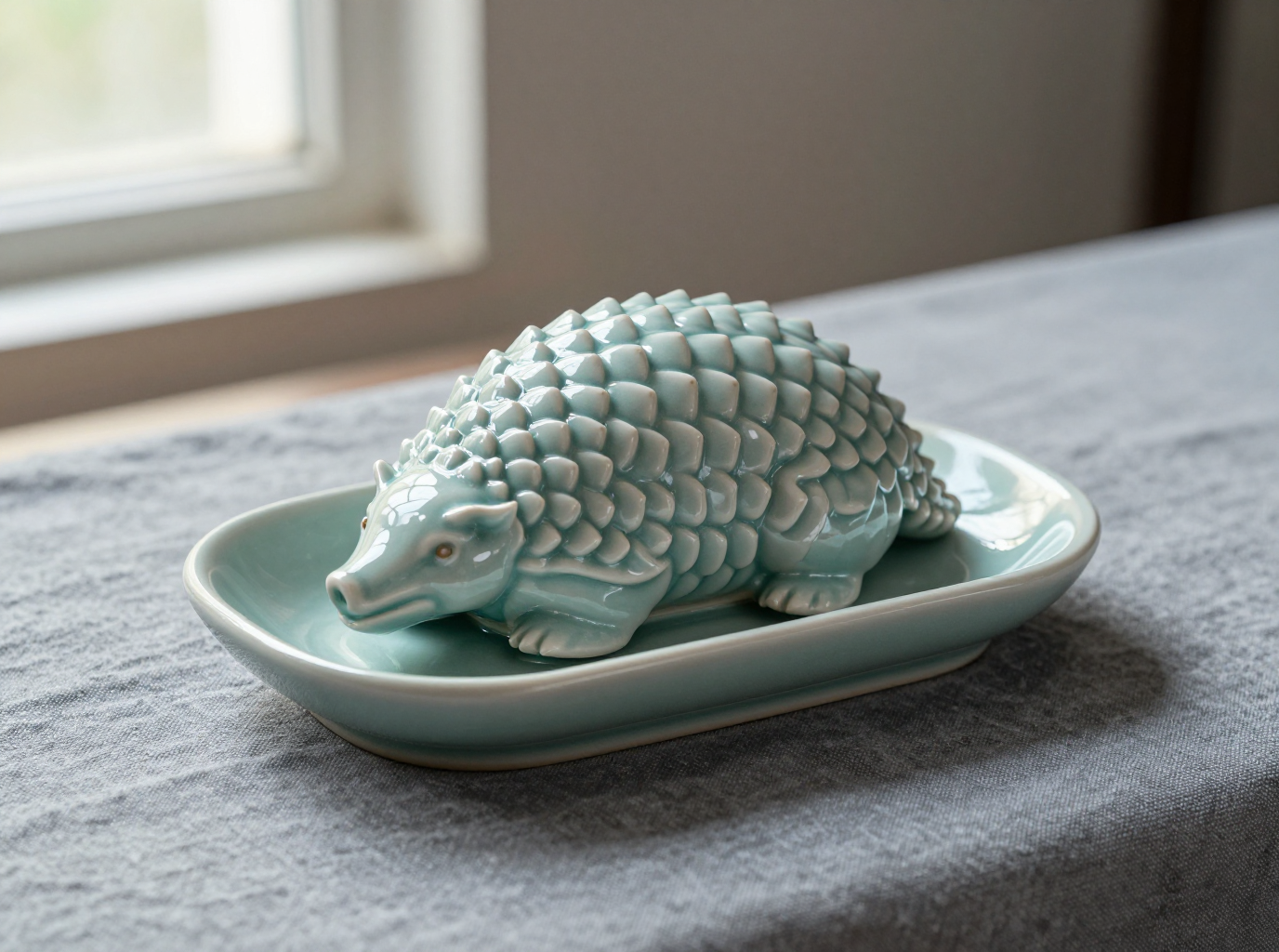
Studio product photograph of a glazed celadon stoneware butter dish whose lid is sculpted as a curled, sleeping pangolin, every scale crisp, resting on a slate grey linen cloth, soft window light from the left, gentle highlights on the glaze, 85mm lens, shallow depth of field.
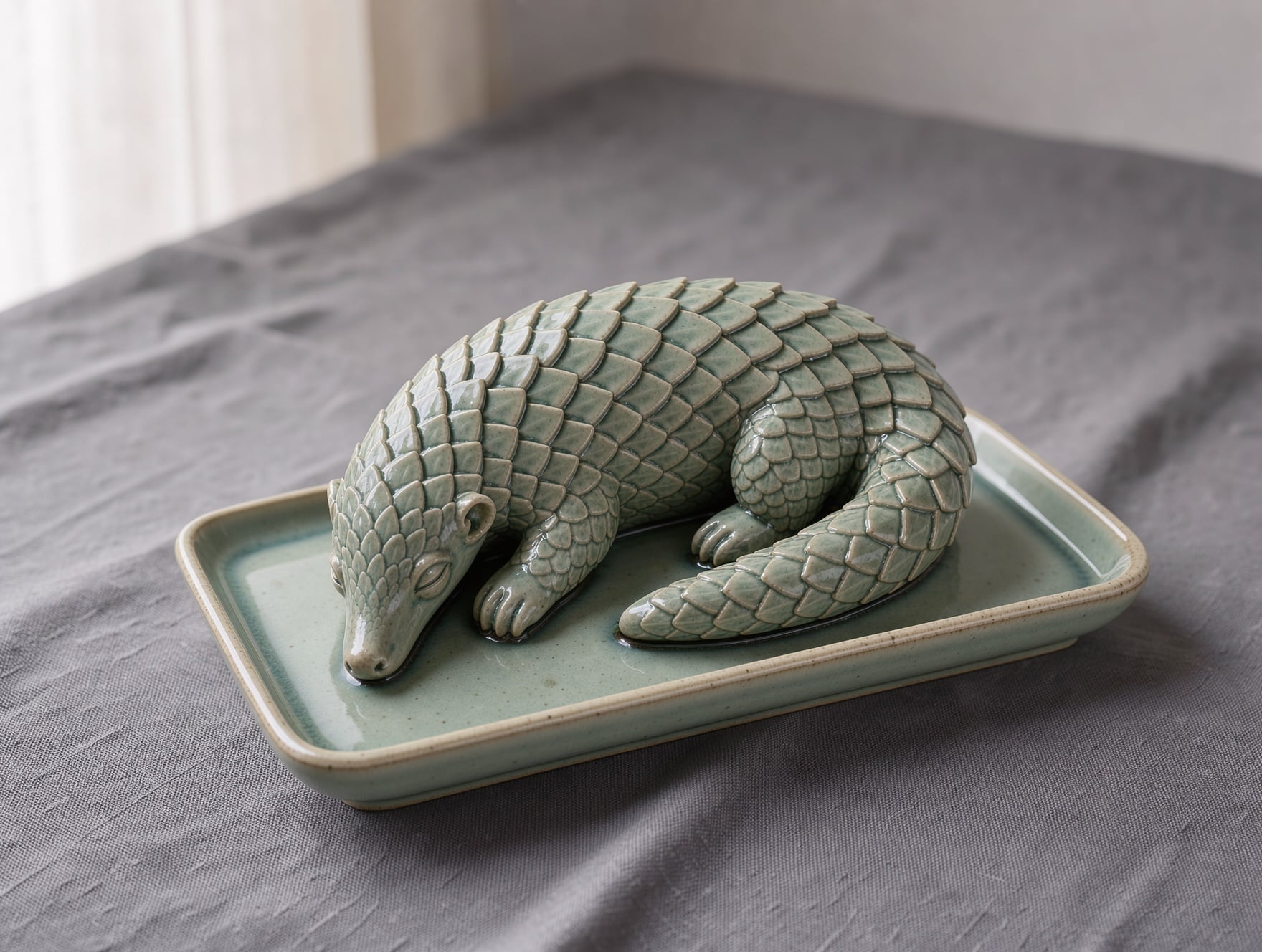
Studio product photograph of a glazed celadon stoneware butter dish whose lid is sculpted as a curled, sleeping pangolin, every scale crisp, resting on a slate grey linen cloth, soft window light from the left, gentle highlights on the glaze, 85mm lens, shallow depth of field.
- Flux 2 Dev followed the brief most closely: a domed pangolin lid on a matching dish, every scale crisp, for 1 credit. We animated it for the clip at the top.
- Qwen Image 2.1 kept a real lidded butter dish and put a small pangolin on top as the handle.
- Z-Image Turbo made a similar lidded dish for 0.25 credits, though its scales read closer to a hedgehog.
- FLUX 3 Image sculpted the most lifelike pangolin, stretched out on a tray, and dropped the lid.
When Stability AI is the better pick
If you need models running on your own hardware, offline or inside a private network, Stability AI's open weights and Community License are built for that, and the Enterprise License covers larger companies.
Stability's API also lists services we do not run under those names, such as Stable Audio 3.0 for tracks up to six minutes and Stable Fast 3D for 3D assets from one image.
If you want a browser studio and one API across many labs, with video on the same balance, we think Pixel Dojo is the faster path.
Stability AI API and licenses vs Pixel Dojo
Stability AI figures from its developer platform pricing and license pages, read on October 15, 2026.
| At a glance | Stability AI | Pixel Dojo |
|---|---|---|
| How you pay | API credits at 1 credit = $0.01, starting with 25 credits | Lite $10 a month for 160 credits, Pro $25 for 500 credits, Pro Max $50 for 1,100 credits, or API credit packs from $5 |
| Image generation | Stable Image Ultra 8 credits, SD 3.5 Large 6.5, Stable Image Core 3, SD 3.5 Flash 2.5 | Flux 2 Dev, Qwen Image 2.1, Z-Image Turbo, FLUX 3 Image, Seedream 5, Nano Banana 2.1 and more, each priced on its page |
| Upscaling | Fast Upscaler 2 credits, Conservative 40, Creative 60 | Clarity Pro, Magnific, Portrait Upscaler and Creative Upscaler |
| Audio | Stable Audio 3.0 and 2.5 at 8 credits | Text to music and text to speech |
| Custom models | Custom model training offered as an Enterprise upgrade | LoRA trainers for FLUX, Qwen, WAN and Z-Image on every plan |
| License | Community License free under $1M annual revenue; Enterprise License with custom pricing above that | Commercial use on every plan |
What hosted open models cost on Pixel Dojo
Plans are Lite $10 a month for 160 credits, Pro $25 for 500 credits, Pro Max $50 for 1,100 credits. Every plan includes every model and commercial use.
In our test the images cost 0.25, 1 or 1.5 credits each, and the animated clip cost 27.5 credits. Every tile lists its own price.
Under our refund policy, a first purchase can be refunded within 7 days, in full if under 20% of the credits are used and pro-rated after that.
Stability AI questions
What is a good alternative to Stability AI?
Pixel Dojo hosts open model families like Flux 2 Dev, Qwen Image 2.1 and Z-Image Turbo alongside FLUX 3, Seedream 5 and the top video models, with LoRA training and a public API on one plan.
How much does the Stability AI API cost?
Stability AI's pricing page says 1 credit is $0.01. Stable Image Ultra costs 8 credits an image, Stable Image Core 3 and SD 3.5 Large 6.5, and new accounts start with 25 credits.
Is Stable Diffusion free for commercial use?
Stability AI says its Community License is free for individuals and organizations with under $1M in annual revenue. Above that, it asks companies to take an Enterprise License with custom pricing.
Can I train my own model without a GPU?
Yes. Pixel Dojo's LoRA trainers learn a style, product or character from your images on FLUX, Qwen, WAN or Z-Image, and you call the result from any prompt.
Which model followed the product brief best?
In our test Flux 2 Dev made the closest match to a butter dish with a pangolin shaped lid, for 1 credit. Z-Image Turbo was the cheapest at 0.25 credits.
Video Effects New
No prompt? Try a one-click effect
283 ready-made effects, from AI Hug and Earth Zoom In to product spins and listing walkthroughs. Upload a photo and press Generate. No prompt to write.

Try Pixel Dojo as your Stability AI alternative
Write a prompt above or start from any example on this page. One subscription covers every model on Pixel Dojo.
Start with Kling 3.0Sources
Facts about Stability AI come from these public pages, checked on Oct 15, 2026. Prices and plans change; check the source before you buy.