Consistent Characters AI Generator
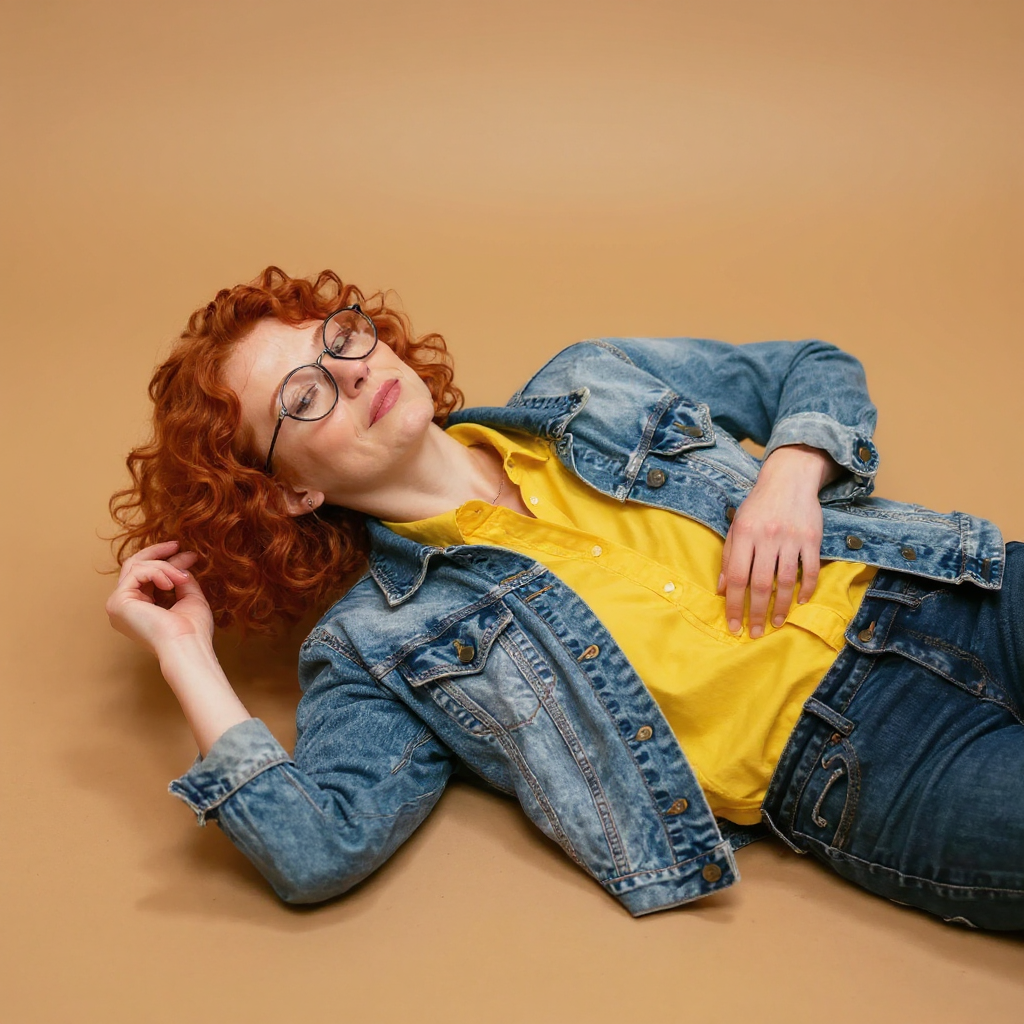
Generated on PixelDojo with Consistent Characters. Produced by PixelDojo's generation pipeline.
Consistent Characters costs 1.25 credits per image on its default Flux Kontext engine, and a single new pose of an existing character came back in about 13 seconds on August 26, 2026. Feed it one reference photo and it generates new poses, backgrounds, and lighting for the same person, choosing from five backing models with different prices and speeds. Here is what one image cost, how long it took, and how well the identity actually held up.
One variant, identity intact
Every example below was produced on PixelDojo. Hover to see the prompt.
show me character from a random angle with a random background and random lighting. ultra sharp, high resolution, 4k photos
Consistent Characters
How Consistent Characters is actually built
One reference image in, up to twelve variations out
The request takes a single input_image and a num_images field from 1 to 12. Price is per image, so requesting the default of 4 costs 5 credits on the Flux Kontext engine; we ran num_images at 1 to check a single result cleanly.
What our one variant looked like
The source was a woman with short curly red hair, round glasses, a denim jacket over a yellow shirt. The output kept every one of those: the same hair color and curl pattern, the same glasses shape, the same jacket and yellow shirt, now in a reclining pose against a plain warm tan background instead of the original setting.
Five backing engines at different prices
Flux Kontext is the default at 1.25 credits per image and the fastest option. Flux 2 Dev is 1 credit. Nano Banana 2 is 2.25 credits, Qwen Image 2 Pro is 2 credits, Nano Banana Pro is 4.5 credits, Seedream 4.5 is 1 credit, and Seedream 5 Pro is 2.5 credits. Higher priced engines are pitched as sharper portraits, at the cost of more credits per image.
A background control, on the default engine
Flux Kontext accepts a background setting: white, gray, black, green screen, neutral, or original (keep the reference photo's own background). The other four engines ignore this field and pick their own backgrounds instead, which is what produced the tan backdrop in our result.
randomize_images spreads out the set
On by default, this setting varies the pose and background across a multi-image request so a batch of four does not return four near-identical frames.
One reference photo, one new pose, 1 credit on the day (1.25 today), about 13 seconds. Face, hair, glasses, and outfit all carried over.
Why Choose Pixel Dojo for Consistent Characters
Professional-quality results with cutting-edge AI technology
1.25 credits per image on the default engine
Flux Kontext is 1.25 credits and Flux 2 Dev 1 credit per image. The default request asks for 4 images, which is 5 credits on Flux Kontext; we ran 1 to isolate the per-image result.
About 13 seconds, measured
Timed on August 26, 2026 from request to finished file for a single Flux Kontext variant.
Identity held across the pose change
Hair color and curl, glasses shape, jacket, and shirt color all carried over into a completely different pose and background.
How It Works
How we generated one variant:
Start from one clear reference photo
Ours showed a woman with curly red hair, round glasses, a denim jacket, and a yellow shirt against a plain background. A clean, well lit source photo is what the identity lock needs to work from.
Pick the engine and the count
We used the default Flux Kontext engine at num_images 1, which was 1 credit on the day and is 1.25 today. Raise num_images for more variations in one call, at 1.25 credits each.
Generate in the app or over the API
Run it from the tool page, or POST to /api/v1/models/consistent-characters/run. Ours charged 1 credit, 1.25 at today's rate, and returned in about 13 seconds.
Loved by creators on PixelDojo
Real feedback from people using PixelDojo, pulled from our in-product surveys.
Easy to use once you get the hang of it
Love it make anything I can think of so far
Great for all your ideas use it encourage more people to use it
Because it is awesome
exceptional quality and great overall design of platform and interface. very intuative. love the creative freedom.
Qwen image 2 is amazing!!
Explore more AI tools on PixelDojo
Popular AI Models
AI Tools
Compare & Switch
- Best AI Image Generators
- Best AI Video Generators
- Midjourney Alternatives
- Civitai Alternatives
- Runway Alternatives
- Leonardo Alternatives
- Pika Alternatives
- Luma Alternatives
- Magnific Alternatives
- Veo Alternatives
- Flux Alternatives
- Freepik Alternatives
- Seedance Alternatives
- Seedream Alternatives
- Pixverse Alternatives
- GPT Image Alternatives
- Synthesia Alternatives
- Playground Alternatives
- NightCafe Alternatives
- Canva AI Alternatives
- ElevenLabs Alternatives
- ComfyUI Alternatives
- Fal Alternatives
- Replicate Alternatives
Common Questions
Everything you need to know about Consistent Characters
How much does Consistent Characters cost?
1.25 credits per image on the default Flux Kontext engine and 1 on Flux 2 Dev. The request defaults to num_images 4, which is 5 credits total on Flux Kontext; drop num_images to 1 to spend 1.25, as we did for this test (it was 1 credit on the day).
How fast is Consistent Characters?
About 13 seconds in our August 26, 2026 run for one Flux Kontext variant. Pricier engines like Nano Banana Pro generally take longer per image.
Does it actually keep the same face and outfit?
In our test, yes. The hair color and curl pattern, glasses, denim jacket, and yellow shirt all carried over into a new pose and a new background, which is the entire point of the tool.
How is Flux Kontext different from Nano Banana Pro here?
Flux Kontext is 1.25 credits per image and is the fastest option. Nano Banana Pro is 4.5 credits per image and is pitched as producing sharper portrait detail. Pick Kontext for quick, cheap character sheets and Nano Banana Pro when a single hero shot needs to look its best.
Can I control the background?
Only on the Flux Kontext engine, with a background field set to white, gray, black, green screen, neutral, or original. The other four engines choose their own background and ignore that setting.
How do I call it from the API?
POST to /api/v1/models/consistent-characters/run with your API key, an input_image URL, and optionally num_images and model_type. Same key as every other model in the catalog.