Image to Image
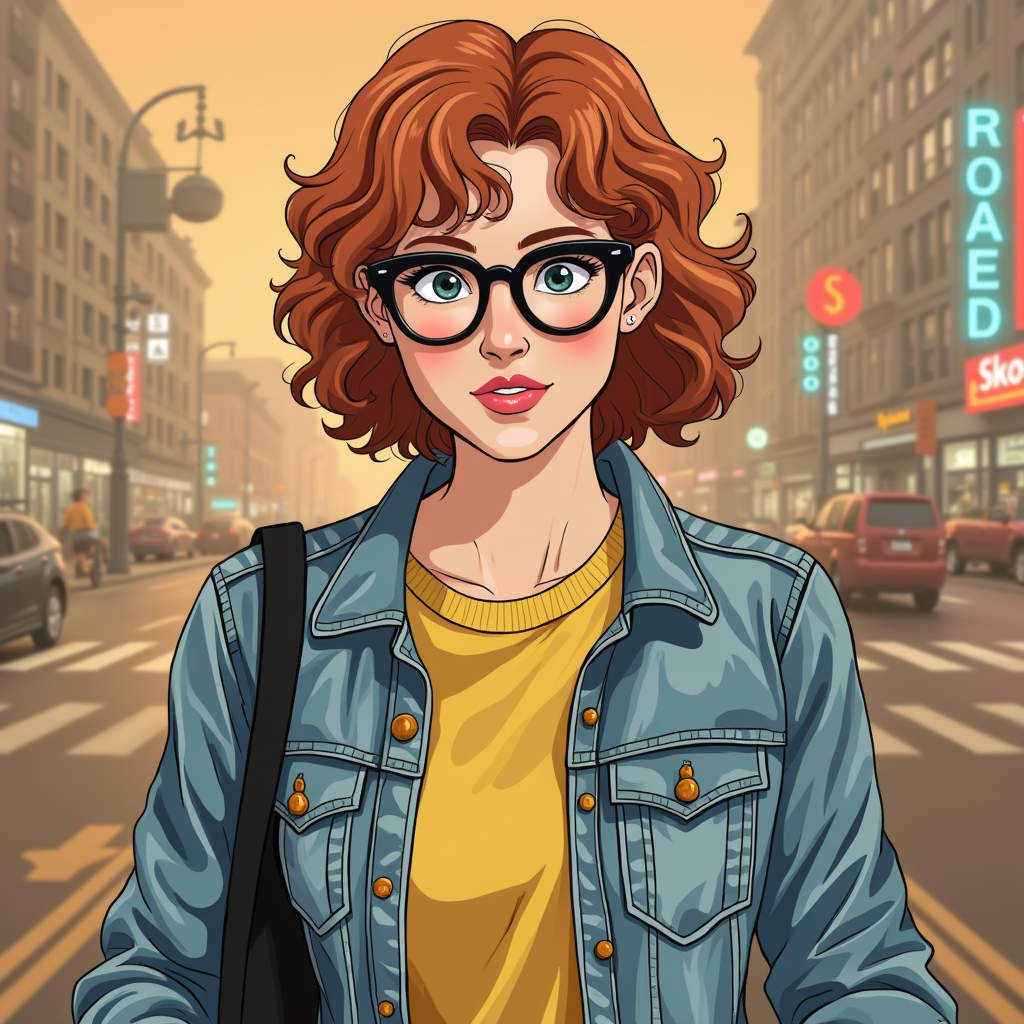
Generated on PixelDojo with Image to Image. Produced by PixelDojo's generation pipeline.
Image to Image costs 1 credit per edit and returned our test in about 38 seconds on August 26, 2026. It runs on FLUX Dev LoRA, and it takes a source photo plus an instruction rather than a blank prompt. We sent it a hard scene-placement edit: keep the woman's face and outfit, move her onto a bicycle in a rainy night crosswalk. It kept the identity markers and dropped almost everything else. Here is exactly what came back.
The 1 credit result, first try, no retries
Every example below was produced on PixelDojo. Hover to see the prompt.
Place this exact woman on a bicycle crossing a rainy city crosswalk at dusk, neon shop signs reflecting in puddles, cinematic wide shot, keep her face, glasses, red curly hair, denim jacket and yellow shirt identical
Image to Image
What our one run actually showed
What it kept
Red curly hair, round glasses, and the blue denim jacket over a yellow top all carried through from the source character sheet. Those were the identity details the instruction asked it to hold onto.
What it changed instead of following
The instruction asked for a rainy dusk crosswalk with neon reflections and a bicycle. What came back was a daylight city street, no rain, no bicycle, and the whole image redrawn in a flat, illustrated cel-shading style instead of the photographic look of the source. The model leaned on FLUX Dev's own aesthetic over the source photo's realism.
Read this as a strength test, not a demo
A source-to-edit gap this wide on a single try is the actual finding: this tool is a general prompt-plus-image model, not an identity-lock editor. For keeping a face and outfit exact while changing the scene around it, our Kling Image Edit run on the same instruction the same day held the photographic style and added the bicycle and rain.
1 to 4 outputs per request
The num_outputs field takes 1 to 4, priced at 1 credit each, so a four-image spread from one instruction is 4 credits in one call.
prompt_strength is the dial to reach for
It defaults to 0.8 out of a 0 to 1 range, and we ran with the default. Lower it toward 0.5 or below when the source image is drifting more than you want; the model will lean closer to the original pixels and further from the instruction.
It takes a custom LoRA
An hf_lora reference plus a lora_scale value can be sent alongside the edit for a custom trained look. We ran without one.
1 credit, about 38 seconds, one instruction: move the subject into a new scene while keeping her identical. The style shifted more than the scene did.
Why Choose Pixel Dojo for Image to Image
Professional-quality results with cutting-edge AI technology
1 credit per edit
Flat per output image. Four outputs from one call is 4 credits.
About 38 seconds, measured
Timed on August 26, 2026 from request to finished file, default settings, first result kept.
Identity markers survived a hard rewrite
Hair color, glasses, and jacket color all carried through even though the scene, lighting, and art style did not.
How It Works
How we ran it, so you can repeat it:
Send a source image with the instruction
Image to Image needs both a prompt and an image URL. Without the image it behaves like a blank text-to-image call instead of an edit.
Name every identity detail you want kept
Our instruction listed the face, glasses, hair color, jacket, and shirt explicitly. Those were the details that survived; the parts left unnamed, the lighting and the overall art style, were the parts that drifted.
Lower prompt_strength if the result drifts too far
We ran the 0.8 default and got a full style change. A lower value trades instruction-following for staying closer to the source pixels.
Loved by creators on PixelDojo
Real feedback from people using PixelDojo, pulled from our in-product surveys.
Creative freedom, range of tools and options.
I love the training feature
the quality is the best
All the tools needed in one dashboard
Very fair and very broad in tools.
Accurate results
Explore more AI tools on PixelDojo
Popular AI Models
AI Tools
Compare & Switch
- Best AI Image Generators
- Best AI Video Generators
- Midjourney Alternatives
- Civitai Alternatives
- Runway Alternatives
- Leonardo Alternatives
- Pika Alternatives
- Luma Alternatives
- Magnific Alternatives
- Veo Alternatives
- Flux Alternatives
- Freepik Alternatives
- Seedance Alternatives
- Seedream Alternatives
- Pixverse Alternatives
- GPT Image Alternatives
- Synthesia Alternatives
- Playground Alternatives
- NightCafe Alternatives
- Canva AI Alternatives
- ElevenLabs Alternatives
- ComfyUI Alternatives
- Fal Alternatives
- Replicate Alternatives
Common Questions
Everything you need to know about Image to Image
What does Image to Image cost?
1 credit per output image. A single request returns 1 to 4 images, so the most one call can charge is 4 credits.
How fast is Image to Image?
About 38 seconds in our August 26, 2026 run, timed from request to finished file with default settings. Real turnaround moves with queue load.
Does it keep the source photo's style?
Not reliably. Our run kept the subject's hair color, glasses, and jacket color but redrew the entire image in a flat illustrated style instead of the photographic look we sent in. Lowering prompt_strength below its 0.8 default holds closer to the source; if you need the photographic look preserved by default, Kling Image Edit did that on the same instruction.
How do I call it from the API?
POST to /api/v1/models/image-to-image-flux/run with your API key, a prompt, and an image URL. Same key and request shape as every other model in the catalog.
How is it different from Magic Lighting or Character Stylist?
All three are 1 credit image-to-image edits, but they pull in different directions. Character Stylist is built for restyling a face while holding identity. Magic Lighting changes only the lighting on a subject. Image to Image is the general FLUX Dev LoRA edit path, which is why its output can drift furthest from the source when the instruction asks for a big scene change.
Can I use a custom LoRA with an edit?
Yes. Pass an hf_lora reference and a lora_scale value alongside your prompt and image. We ran without one for this test.